Unlined Lace vs T-Shirt Foam: The Same Grid, Two Different Silhouettes
Fall restocks hit the Amazon bra grid like a wardrobe intervention. Scrolling the same category page, you will see unlined underwire bras with scallop lace edges and T-shirt bras with molded foam cups. They share the same price range, the same star ratings, and the same product carousel. But they do not share the same job. One is built for shape under structured clothing. The other is built to disappear under knitwear. We pulled the grid apart to show you which cut earns its place in your drawer and which one will leave you adjusting all day.
Scallop Edges and Nipple Politics: The Unlined Underwire Reality
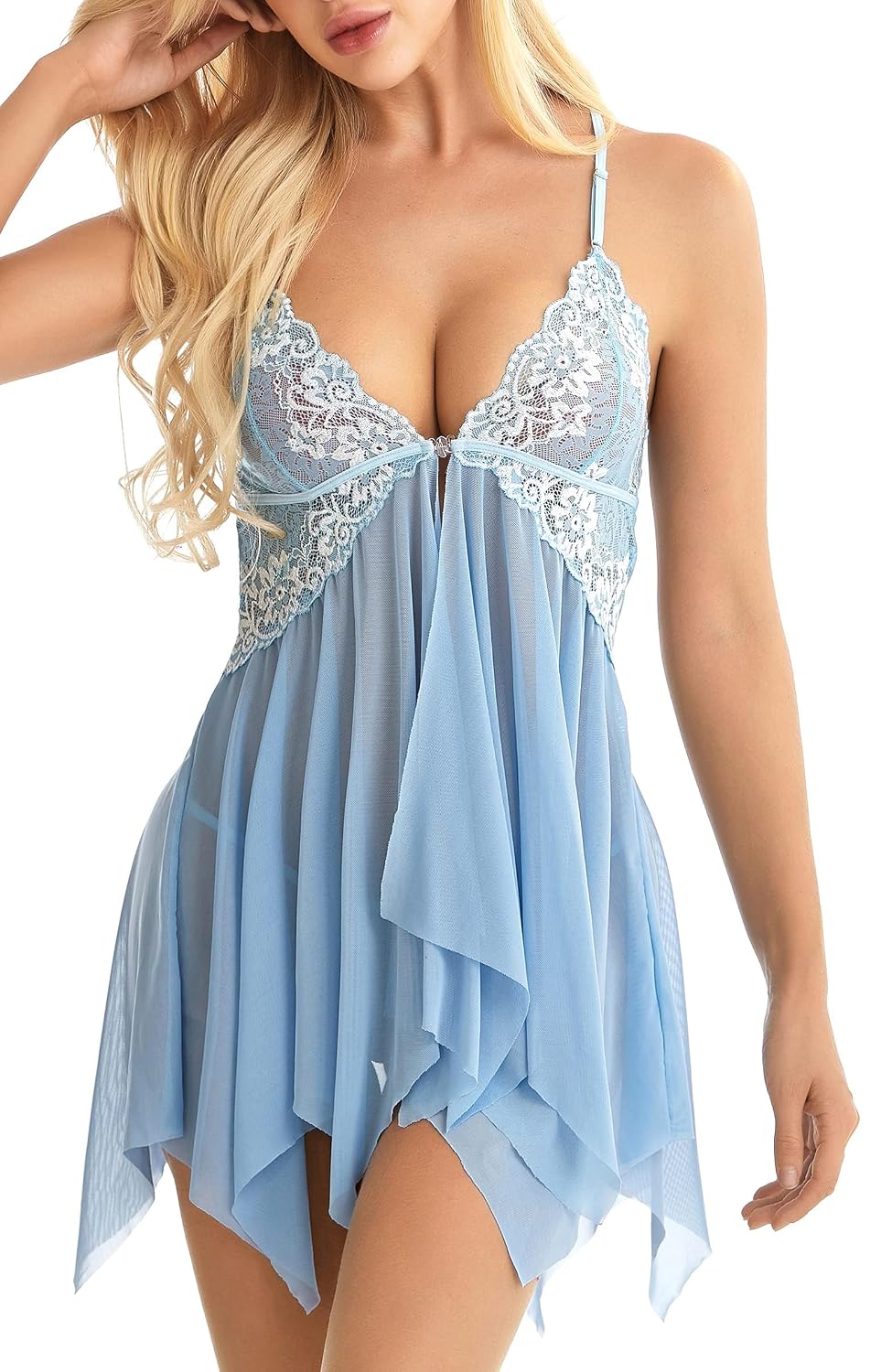
Unlined underwire bras arrive with a promise: natural shape, visible lace, and a wire that anchors the bust without foam. The scallop edge is not decoration—it is engineering. That edge prevents the lace from curling under clothing, but it also telegraphs every seam through a thin sweater. Nipple coverage is minimal. If you buy an unlined underwire bra expecting the same opacity as a T-shirt bra, you will be disappointed. The wire itself can pin against the sternum if the gore is too high or the band too tight. That pinching is not a defect; it is a fit signal. The bra requires a precise band-to-cup match that most shoppers skip. We have seen women buy the same unlined underwire in three sizes hoping the scallop will lie flat. It will not. The scallop lies flat only when the cup volume matches your breast root exactly. That is why measuring your band and cup separately matters more for unlined lace than for any other bra category.
T-Shirt Bras: The Foam That Erases
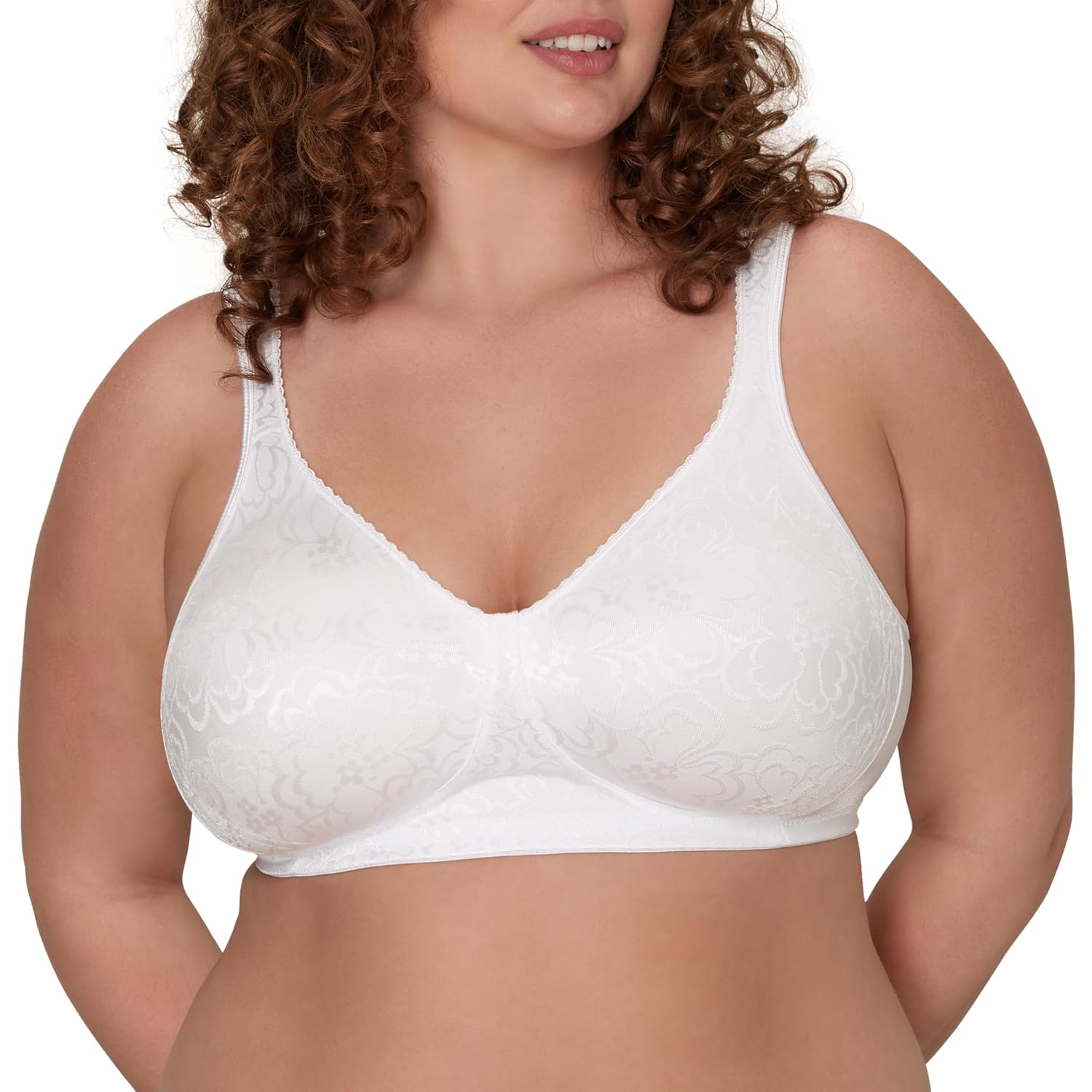
T-shirt bras do the opposite. They use molded foam to create a smooth silhouette that hides nipples, seams, and lace. The foam is the star. It does not require a perfect fit to look smooth under a crewneck. You can be off by a band size and the foam still rounds out the shape. But that foam comes with a trade-off: it adds bulk. Under a thin cashmere turtleneck, a T-shirt bra creates a second layer of visible padding. The underwire in a T-shirt bra is usually encapsulated in foam, so it rarely pins. The trade-off is breathability. Foam does not breathe. You will sweat. The scallop edge is absent, replaced by a straight, taped edge that stays invisible under clingy fabric. If your fall wardrobe is built on knits and fitted tops, a T-shirt bra is the safer bet. If you wear blazers or open shirts, the unlined underwire with scallop lace offers a shape that does not fight the jacket's structure.
The Amazon grid lumps both types together under the same filters. That is the problem. A shopper looking for a T-shirt bra clicks on an unlined underwire because the price is lower or the lace looks pretty. She ends up with a bra that shows her nipples through every shirt. The reverse also happens: a woman who wants lace under a sheer blouse buys a padded T-shirt bra and gets a solid block of foam. The grid does not separate by construction. It separates by brand and price. You have to read the product description for the word “unlined” or “padded.” Even then, the listing photos often show the bra stretched over a mannequin that hides the scallop edge. We suggest using our reviews to see real-world fit notes before you click add to cart. And if you are still deciding between the two, check our bra category for filtered lists that separate unlined underwire from T-shirt foam. The grid is a mess. Your drawer does not have to be.