Lingerie History
From whalebone corsets to wireless bralettes — lingerie has always been more than fabric. It shapes silhouettes, signals desire, and quietly follows the rhythm of fashion. This illustrated timeline traces how undergarments evolved from Victorian constraint to modern comfort, with links to the styles we curate today at Gloria Store.
1837–1901 Victorian Foundations
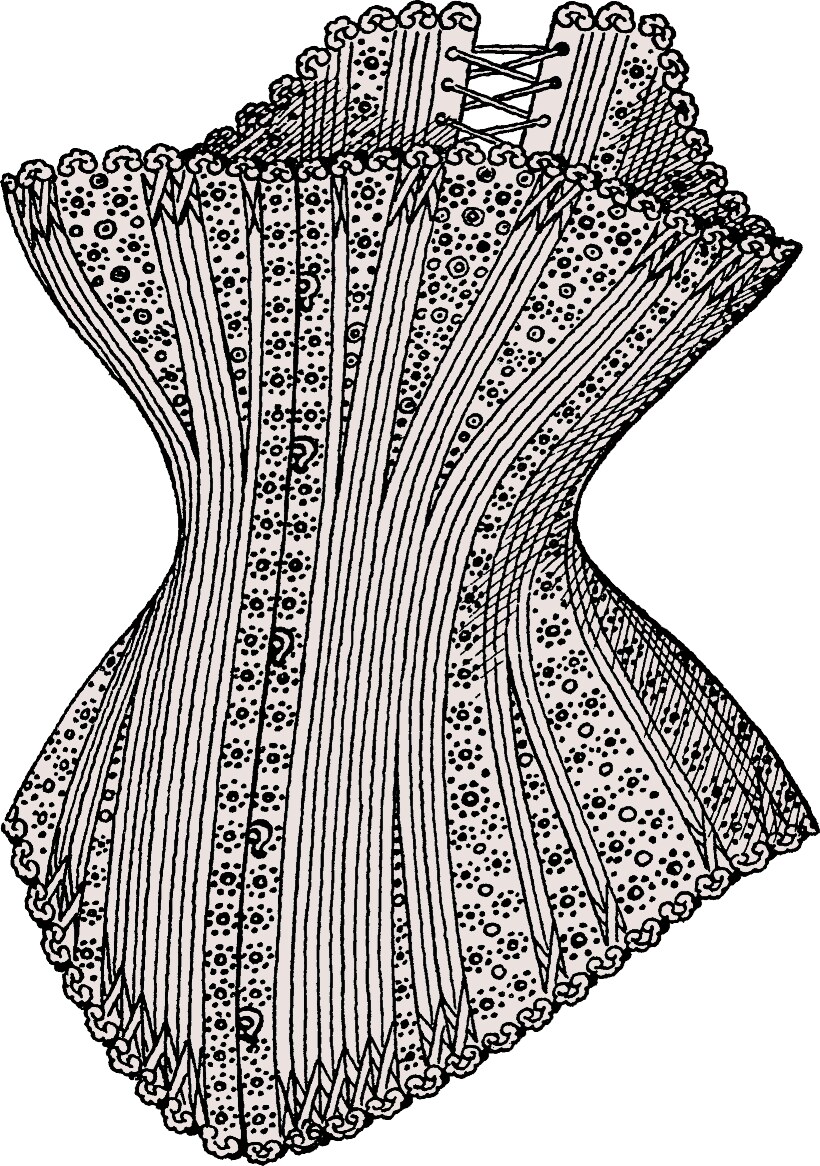
During the Victorian era, the corset was the defining undergarment. Worn by women across classes — though quality varied wildly — it cinched the waist, supported the bust, and created the dramatic S-curve silhouette fashion demanded. Layers followed: chemise against the skin, then corset, then petticoats and crinoline or bustle over the top.
Construction was serious engineering. Strips of whalebone or steel boning ran vertically through coutil or strong linen, laced tight at the back. The goal was not breathlessness for its own sake, but a visible waist and upright posture. For many women, a well-fitted corset was simply daily dress — controversial, certainly, but normalized for decades.
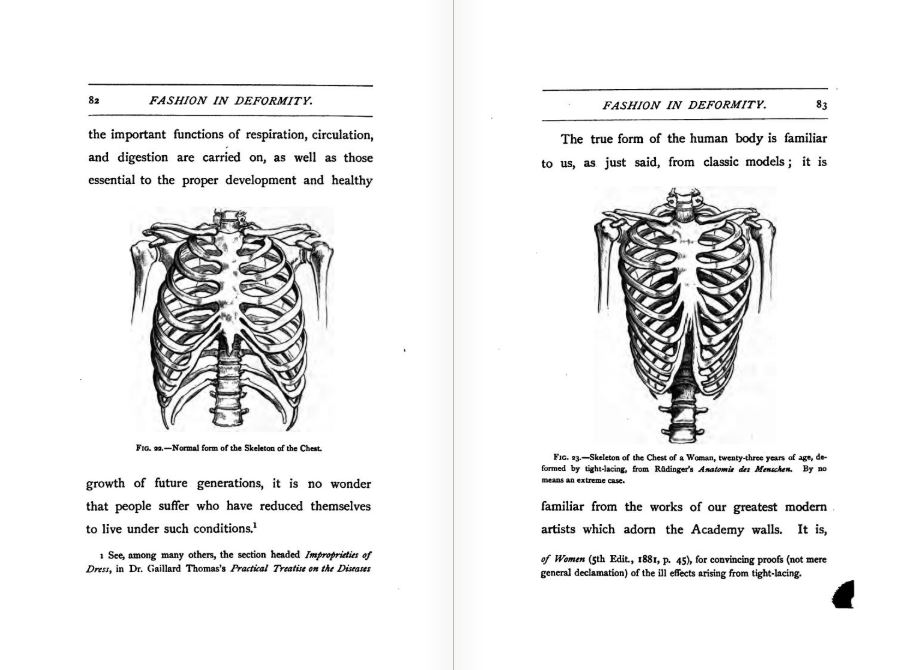
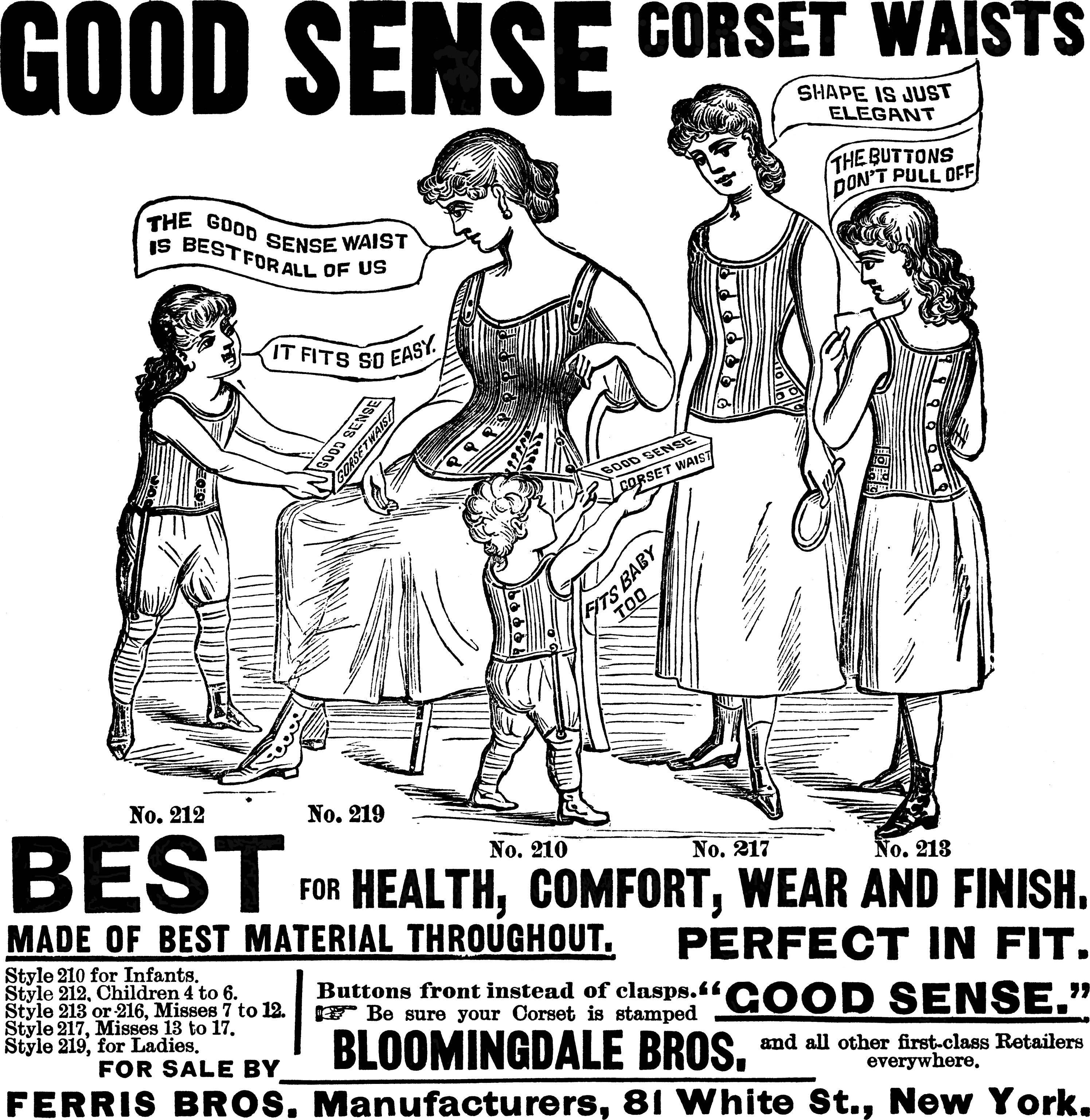
By the late century, dress reform movements questioned extreme tight-lacing, and lighter “health corsets” appeared. Still, the corset remained central until the next generation of silhouettes arrived. Today’s bustiers and corsets borrow that romantic structure without the daily discipline — worn for evening, photography, or the pleasure of a defined waist.
1901–1914 Edwardian Grace
The Edwardian period pushed the silhouette into the “pigeon breast” — a full, forward-bust shape over a long, hip-spring corset. Undergarments grew longer and more elegant; lace insertion and embroidered corset covers peeked from low necklines. Lingerie began to look like lingerie: something meant to be glimpsed, not only hidden.
Brassiere prototypes appeared in Europe and America, often little more than camisole panels or soft bust supporters. World War I would accelerate change — metal rationing, women in factories, and simpler dresses all loosened the grip of rigid corsetry. The stage was set for the modern bra.
1920s Liberation & the Straight Line

After the war, fashion flattened. Drop-waist dresses required a boyish line, and corsets gave way to brassieres that bound or gently flattened the bust, paired with loose chemises and slips. Rayon and silk charmeuse slid against the skin; garters held stockings without the full corselette of earlier decades.
It was a cultural shift as much as a sartorial one. Underwear became lighter, easier to move in, and aligned with jazz-age freedom. The bra — patented in various forms in the 1910s — finally had a silhouette that needed it.
1950s Curves Return
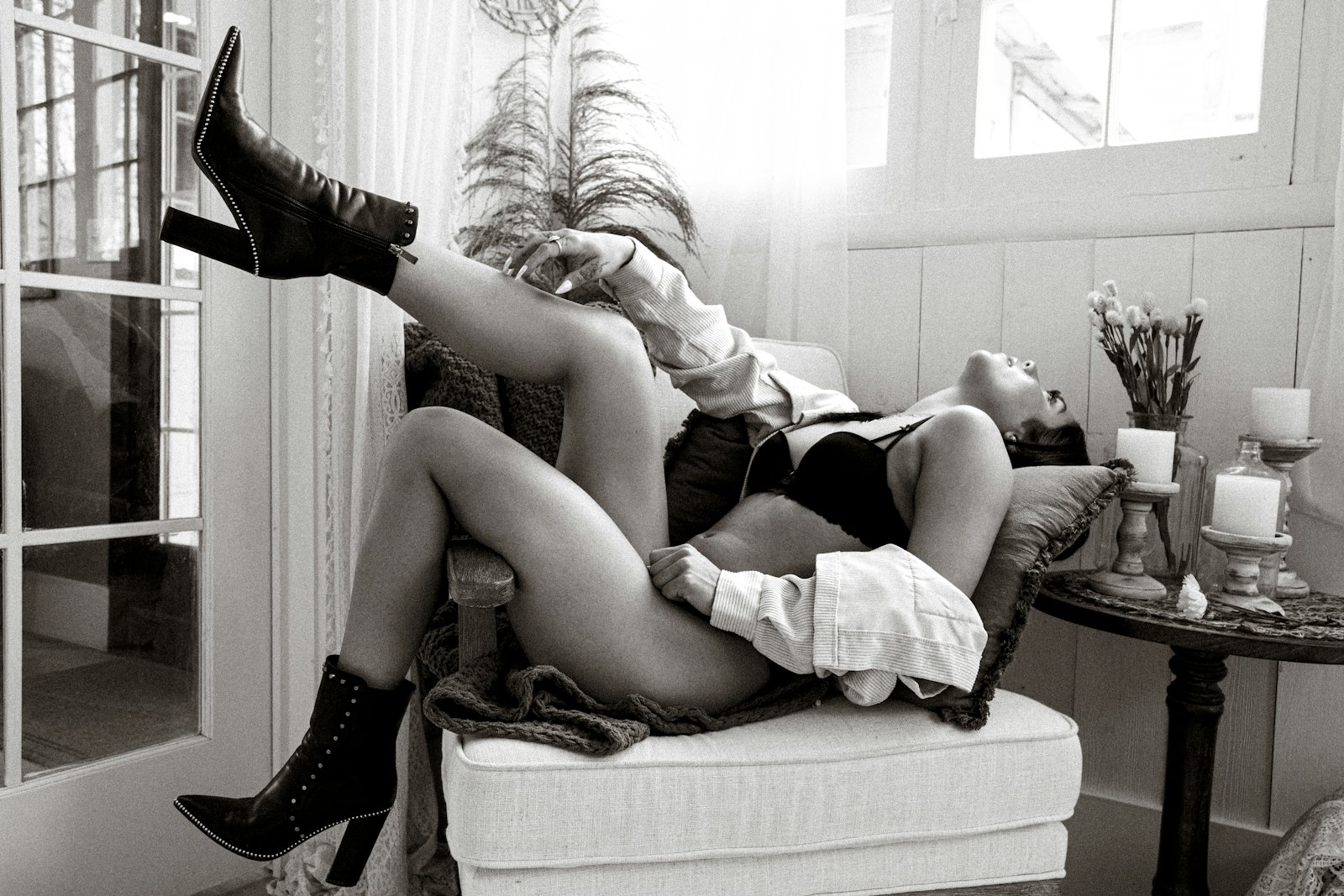
Christian Dior’s New Look rewrote the body again: nipped waists, full skirts, emphasized bust. Lingerie followed with structured bras — conical “bullet” cups, strong straps, padding — and girdles or roll-ons to smooth the hip line under circle skirts. Nylon stockings and garter belts completed the picture.
Advertising turned intimate apparel into aspiration. Pin-up photography and Hollywood glamour made lingerie visible, desirable, and distinctly feminine. The era’s silhouette may look theatrical now, but its influence still surfaces in retro sets and balconette bras.
1960s–70s Youth, Colour & Comfort
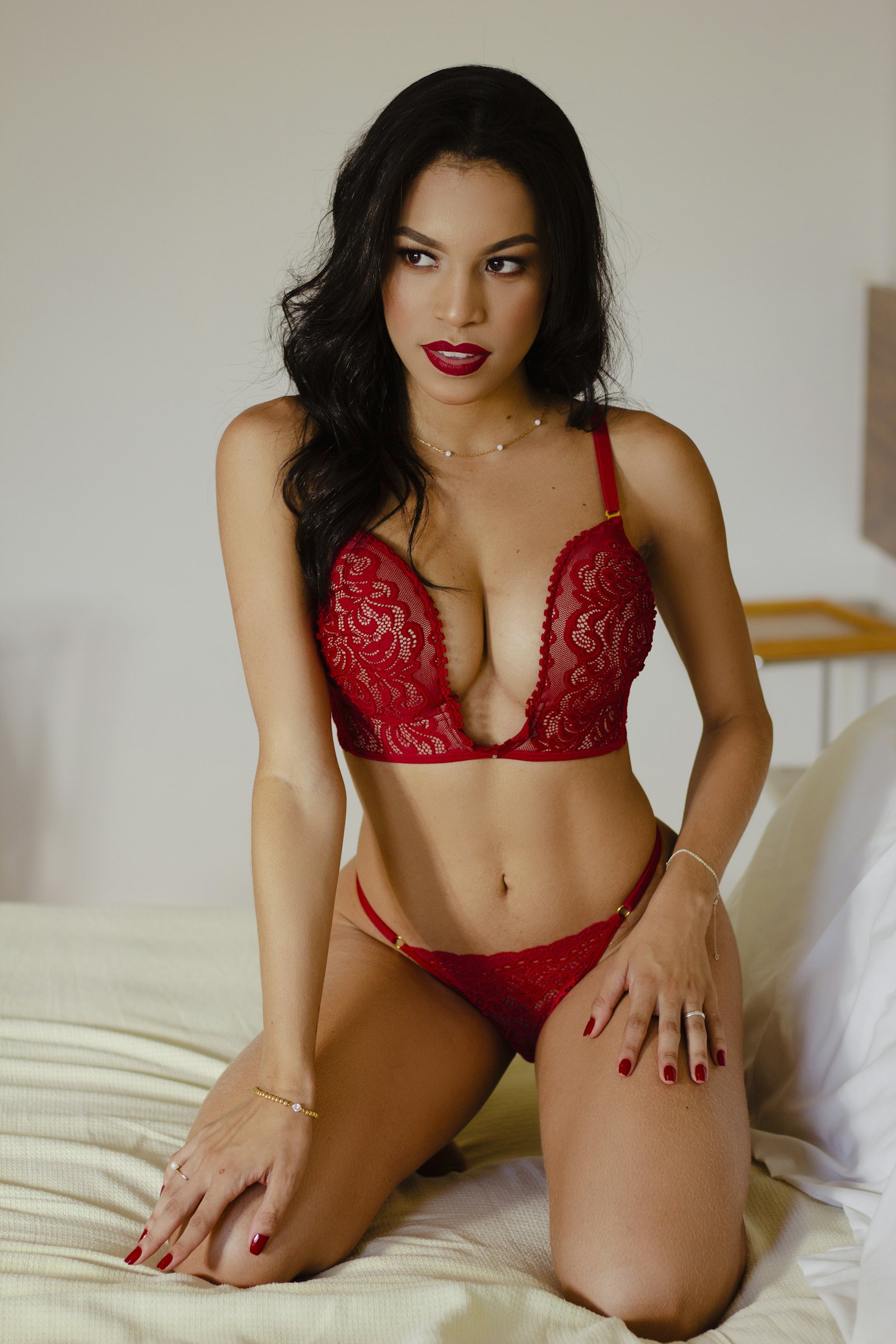
Mod fashion demanded a slimmer line. Underwire bras grew more common; tights began to replace garters for everyday wear. The 1970s brought soft cup bras, bralettes in embryo form, and lingerie in jewel tones and prints — less uniform white, more personal expression.
Feminist discourse questioned whether lingerie served women or only the male gaze. Manufacturers responded with comfort-led design: wider bands, better sizing ranges, and fabrics that moved. The foundation was laid for the bra as a fit product, not only a fashion prop.
1990s Visibility & Shapewear
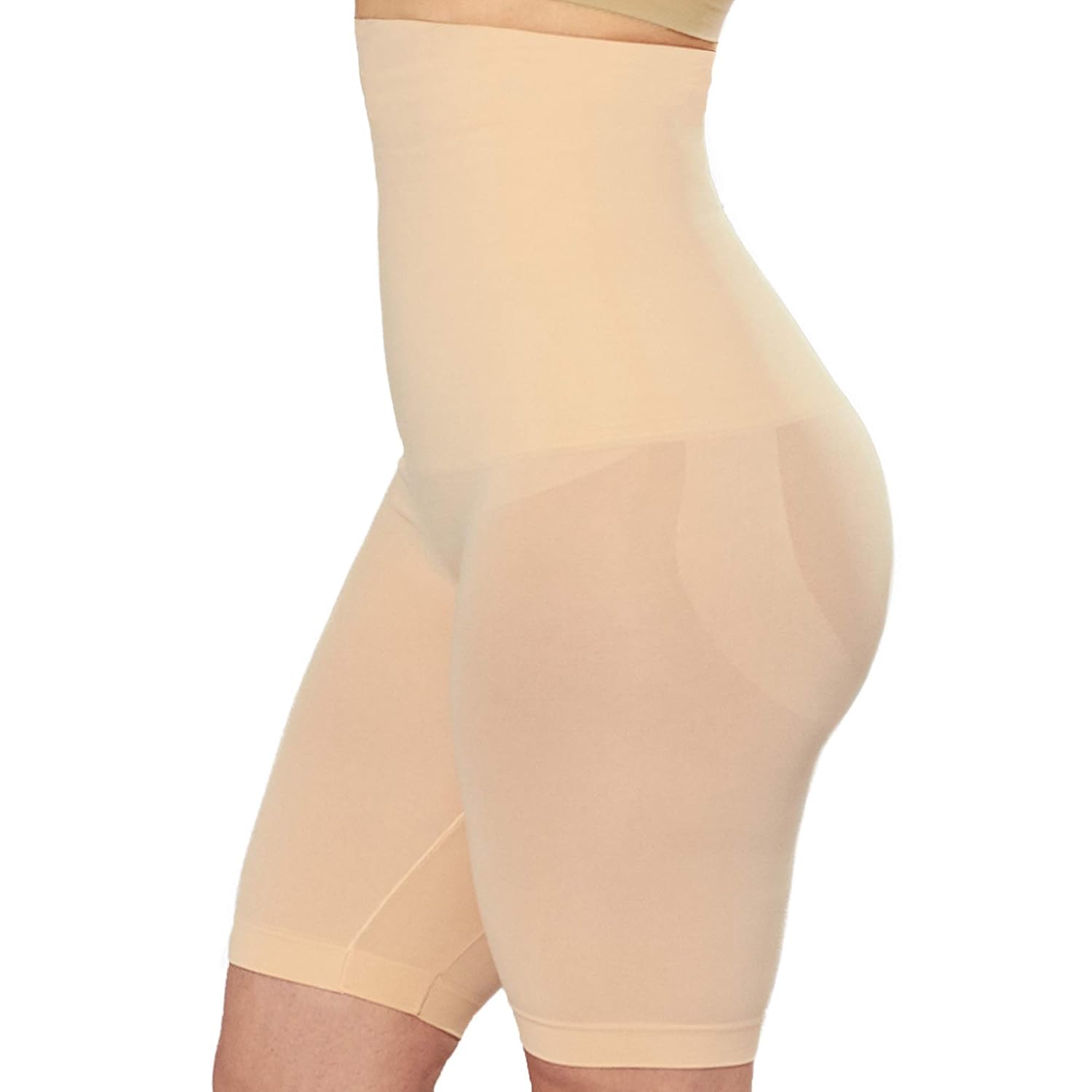
Supermodels, mall brands, and television made lingerie mainstream in a new way. Push-up bras, minimalist microfiber, and the “ underwear as outerwear ” moment (think slip dresses and visible straps) pushed sales and conversation. At the same time, shapewear evolved beyond the girdle — lighter control shorts and smoothing bodysuits for red carpet and real life.
Sizing finally entered public debate. “Victoria’s Secret fashion show” energy dominated pop culture even as independent brands began challenging narrow beauty standards. The 1990s lingerie drawer looked sleek, engineered, and unabashedly sexy.
Today Choice, Comfort & Corset Revival
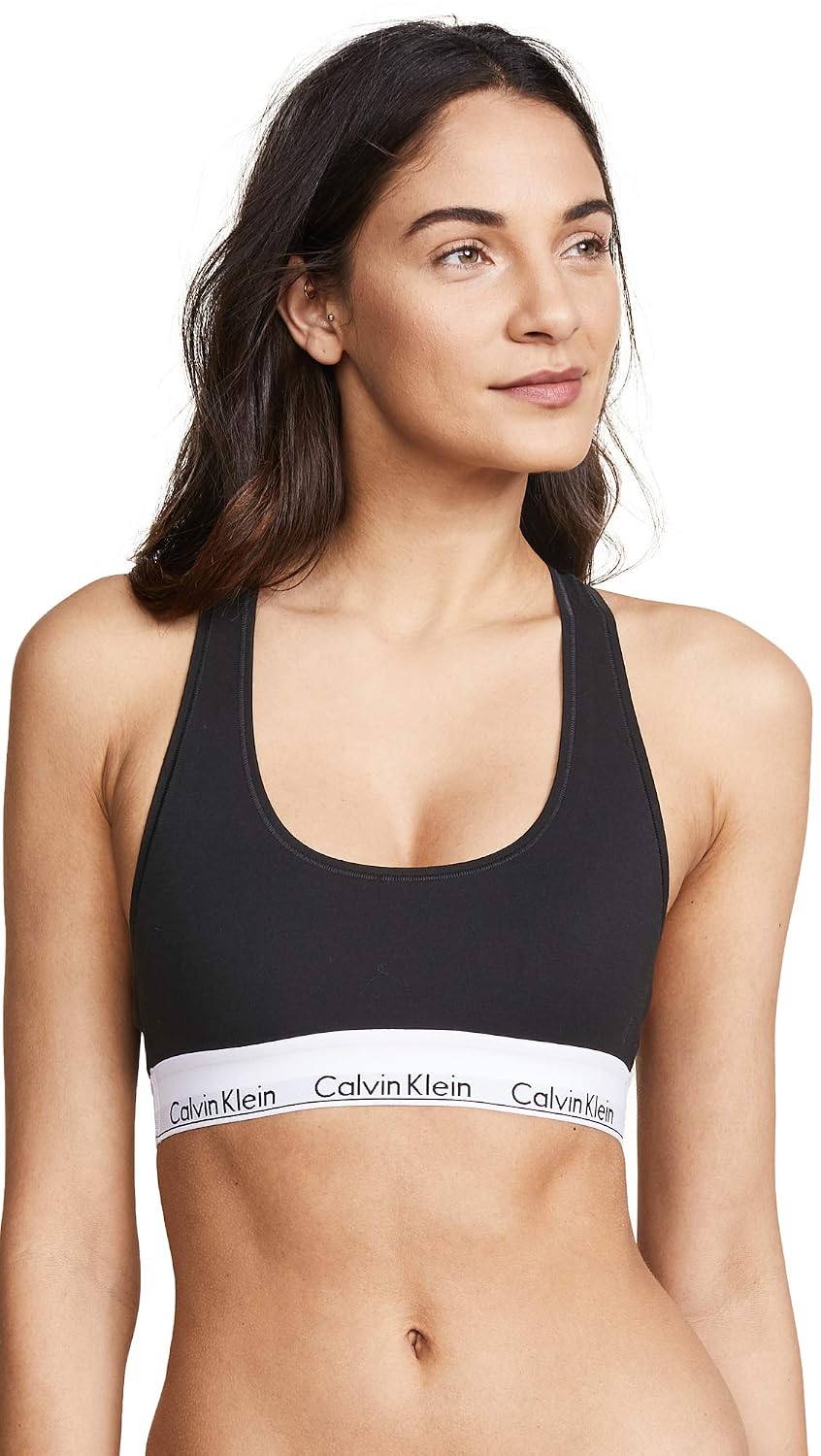
Modern lingerie is plural by design. Wireless bralettes share drawer space with plunge push-ups; inclusive sizing and adaptive fits are industry expectations, not niches. Mesh, lace, and seamless microfiber coexist. Many women choose by mood — support for work, softness for weekends, statement pieces for date night.

Historical silhouettes cycle back. Corsets and bustiers resurface on runways and social media, worn over shirts or as outerwear — a deliberate choice, not a social requirement. Meanwhile, panties span high-rise briefs to minimal thongs, and matching sets remain the easiest way to feel pulled together.

Explore how each piece in your drawer fits this story: browse our Lingerie Glossary for definitions, or shop by category to find your era — updated for the way you live now.