
Lingerie Size Guide
Getting the right fit changes everything — support where you need it, smooth lines under clothes, and lingerie that actually feels good to wear. This guide covers bras, panties, shapewear, corsets & bustiers, sleepwear and more. All you need is a soft measuring tape and a mirror.
Essential Bra Size — Band & Cup
Most fit problems start with the band, not the cup. Eight out of ten women wear the wrong bra size — usually a band too loose and a cup too small. Start fresh: wear an unpadded bra or none, stand naturally, and keep the tape level all the way around.
Step 1 — Band size
Wrap the tape directly under your bust, snug but not tight. Breathe normally. Round to the nearest whole inch or centimetre. For US/UK sizing: if the under-bust measurement is even, add 4″; if odd, add 5″. That number is your band size (32, 34, 36…). In EU sizing, the band often matches your under-bust cm rounded (75, 80, 85…).
Step 2 — Bust size
Measure around the fullest part of your bust — usually at nipple level. Keep the tape parallel to the floor; don't pull tight. Round to the nearest whole number. This is your bust measurement.
Step 3 — Cup size
Subtract your band size from your bust measurement (use the raw under-bust + 4/5 rule number before adding inches for US, or follow your brand's chart). Each inch of difference equals one cup:
- 1″ = A · 2″ = B · 3″ = C · 4″ = D · 5″ = DD/E · 6″ = DDD/F
Browse our bra collection — from T-shirt bras to push-up and demi cup styles.
Quick fit check
- The band should sit horizontal and do most of the support work — you should only fit two fingers under it.
- The centre gore (between cups) lies flat against your sternum.
- No spillage over the top or sides; no gaping at the top of the cup.
- Straps stay put without digging — they should not carry the full weight.
Soft support Bralettes & Wireless
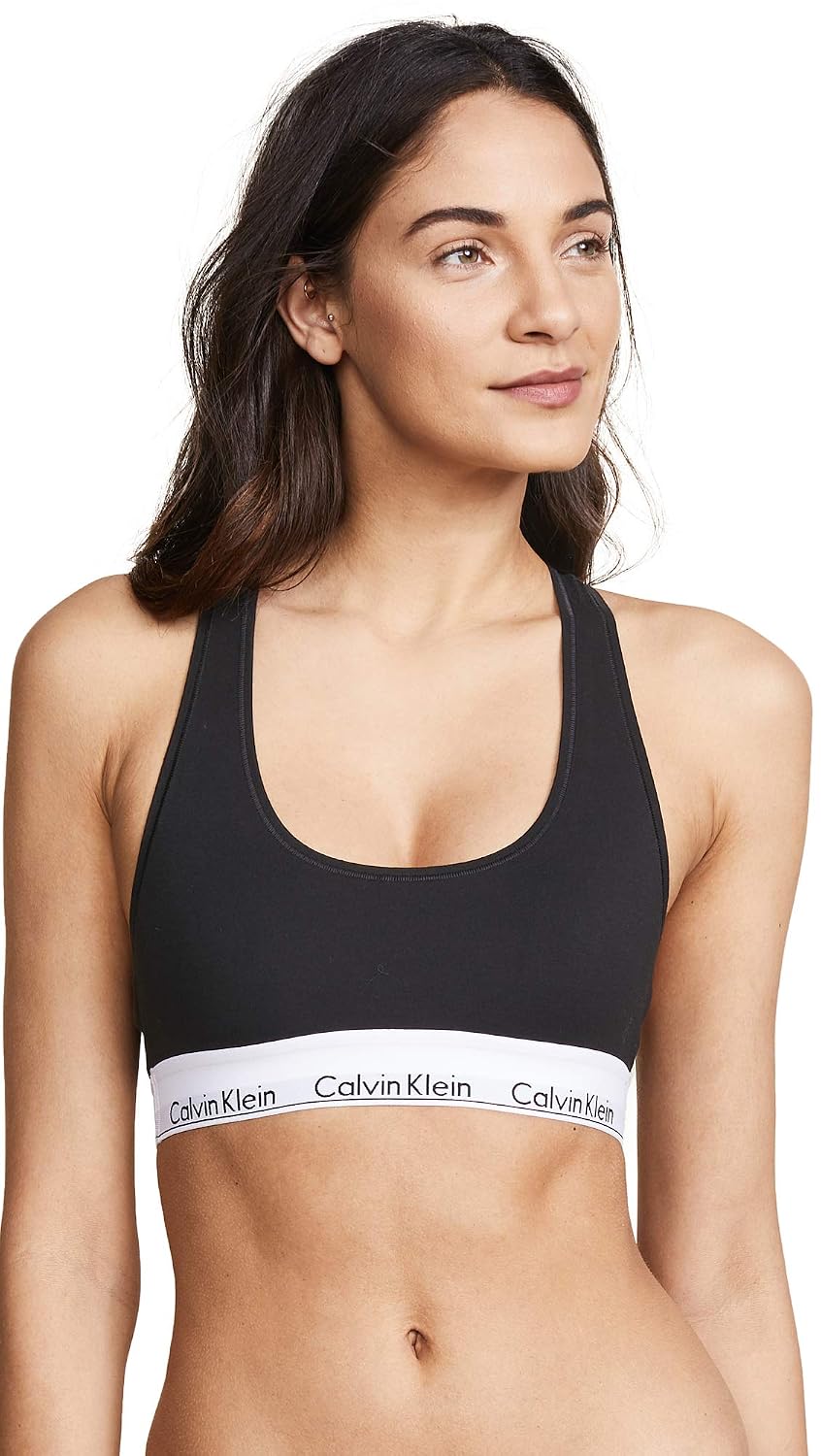
Bralettes and wireless bras usually use simplified sizing: XS–XL, or dress sizes 32–40. Use your calculated bra size as the anchor — a 34C typically maps to Medium, but always check the brand's size chart because cup volume differs by letter.
If you are between sizes and want light support, size up. For a closer fit under clothing, size down only if the brand recommends it. See our Bralette glossary entry for style notes.
Bottoms Panties & Briefs
Underwear sizing varies by country, but hip measurement is the most reliable guide. Wear light clothing or measure over bare skin at the widest point of your hips and seat — usually 20–23 cm (8–9″) below your natural waist.
Waist (optional)
For high-waist briefs or control cuts, measure your natural waist — the narrowest point above your belly button. Compare both waist and hip to the size chart; choose the larger size if you sit between.
Style note
Hipsters sit on the hip bone; bikinis slightly lower; thongs and tangas use the same hip number but feel smaller — size up if you prefer more coverage at the back.
Smooth lines Shapewear & Control
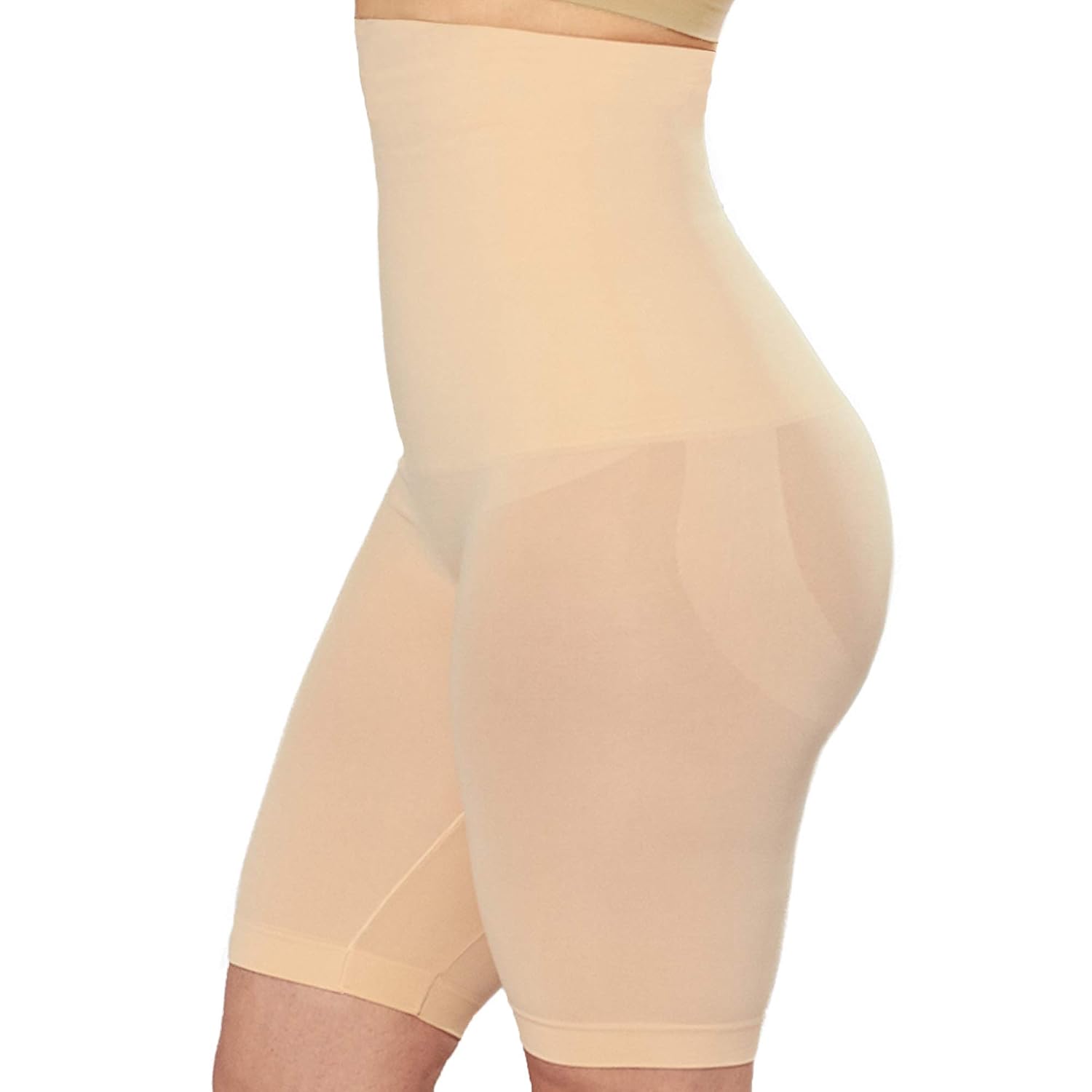
Shapewear is sized by dress size or waist/hip range. Measure waist and hips as above. Most brands list a combined chart — if your waist and hip fall into different sizes, prioritize hip for shorts and bodysuits, waist for high-waist cinchers.
Control level matters: light smoothing allows your usual size; firm compression often means choosing the size that matches your measurements exactly — never size down aggressively. If you can't breathe comfortably, go up one size. Read more in our Shapewear glossary.
Structured Corsets & Bustiers

Fashion corsets and bustiers are not Victorian tight-lacing — they should fit snugly with up to 10–15 cm (4–6″) of lacing gap at the back when new. Measure your natural waist at the narrowest point, keeping the tape level.
Choose a corset waist size 10–15 cm smaller than your natural waist only if the brand specifies "reduction" sizing; many lingerie corsets match dress size or S–XL. For overbust styles, also check bust measurement against the cup or size chart. Explore how corsetry evolved in our history guide.
Sleep & slip Chemises, Babydolls & Nightgowns

Loose sleepwear is usually sized S–XL or by dress size (8–16). Use your usual dress size as the starting point. If you are tall, check hem length in product details — "mini" chemises hit mid-thigh; full nightgowns fall below the knee.
Bust-fit styles (built-in cups or elastic chest) should match your bra size range on the chart. Between sizes? Size up for comfort since sleep pieces are meant to drape, not cling.
Hosiery Garter Belts & Stockings
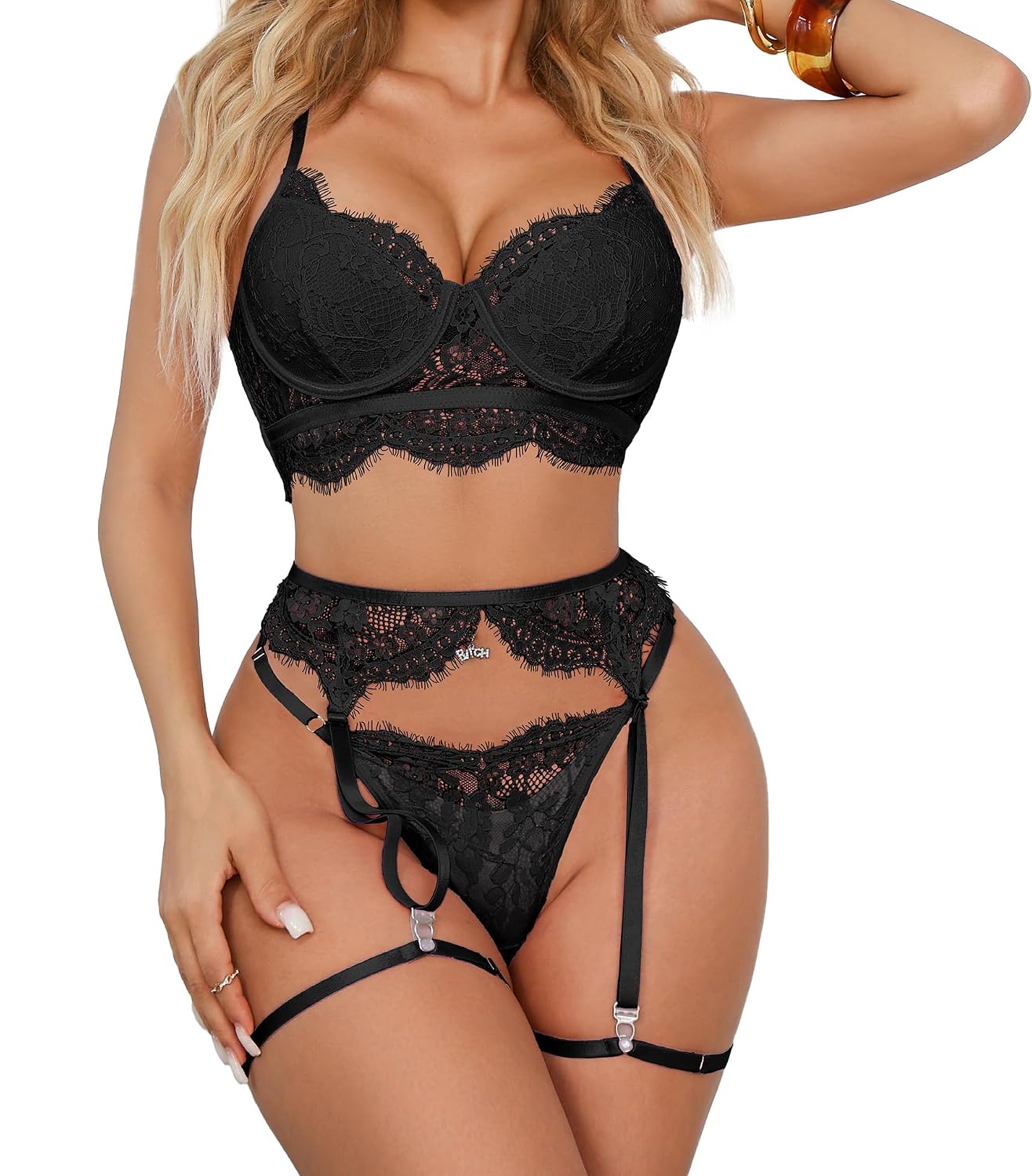
Garter belts are sized by waist (and sometimes hip). Measure where the belt will sit — high waist or natural waist. Straps are adjustable; the belt itself should feel secure without rolling.
Stockings are usually one-size or S/M/L by height and weight on the packaging. Thigh-high hold-ups use cm/inches around the fullest thigh. When in doubt on garter belts, match your panty size chart — same hip logic applies.
Together Lingerie Sets
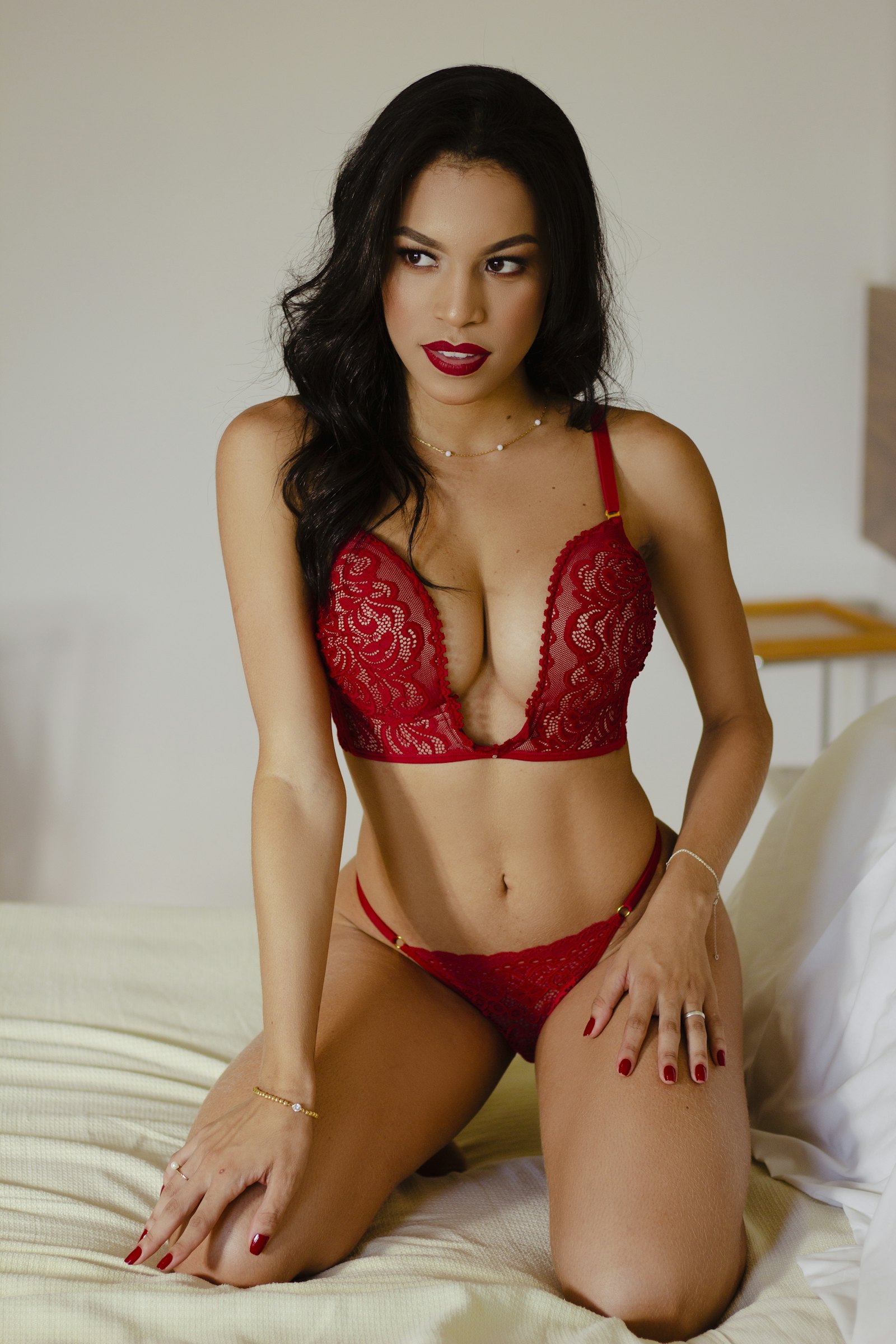
Matching sets often sell bra and panty in one size bundle (e.g. "Medium" = 34B + M bottom). If your top and bottom sizes differ — very common — look for "mix and match" sets or buy separates in the same collection for a coordinated look.
When a set is fixed, prioritize the piece that matters most for fit (usually the bra). A slightly relaxed bottom beats a cup that doesn't fit.
Keep it accurate Pro Tips & When to Re-measure
- Measure twice — morning and evening measurements can differ; aim for the middle of the day.
- Re-check every 6 months — weight change, pregnancy, hormonal shifts and age all affect size.
- Brand charts differ — US, UK and EU cup progressions are not identical; always read the listing.
- Sister sizes — 34C has the same cup volume as 32D or 36B; useful if a band feels wrong.
- Return policy — Amazon purchases through our links follow Amazon's return rules; keep tags on until you've tried at home.
Still unsure about a term? Visit our Lingerie Glossary or browse by category in the shop. The right size is the one that disappears when you forget you're wearing it.