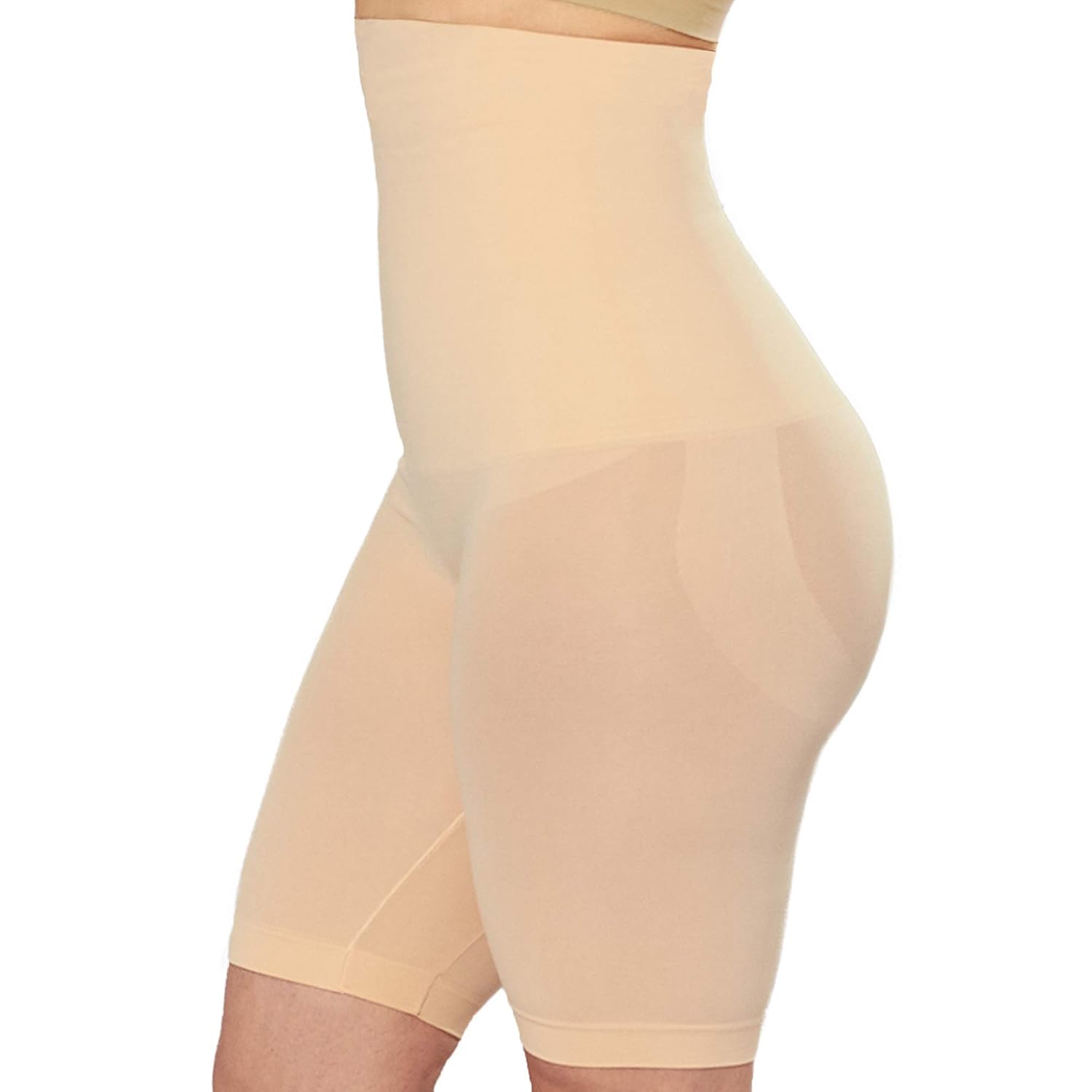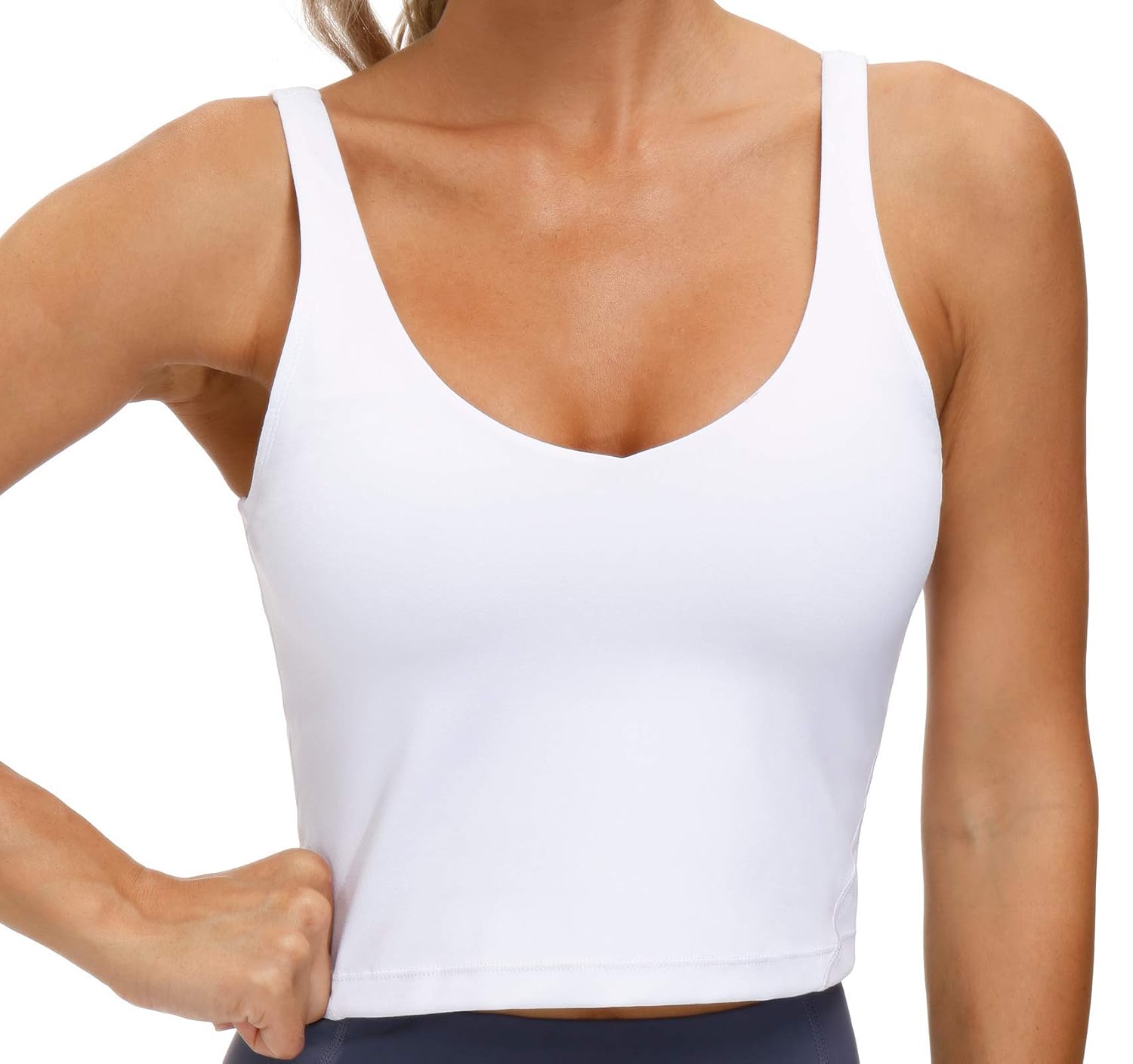
Front Closure Left Maternity. Same Hinge, Different Job
Front closure used to mean one thing: a nursing bra with a clip you could open while holding a baby. That meaning still exists, but the hardware has moved on. Somewhere between maternity and the current fall floor set, the front clasp started appearing on lace babydolls, mesh chemises, and bralettes with no other job than keeping a line down the middle. It looks like the same latch. It is not the same engineering.
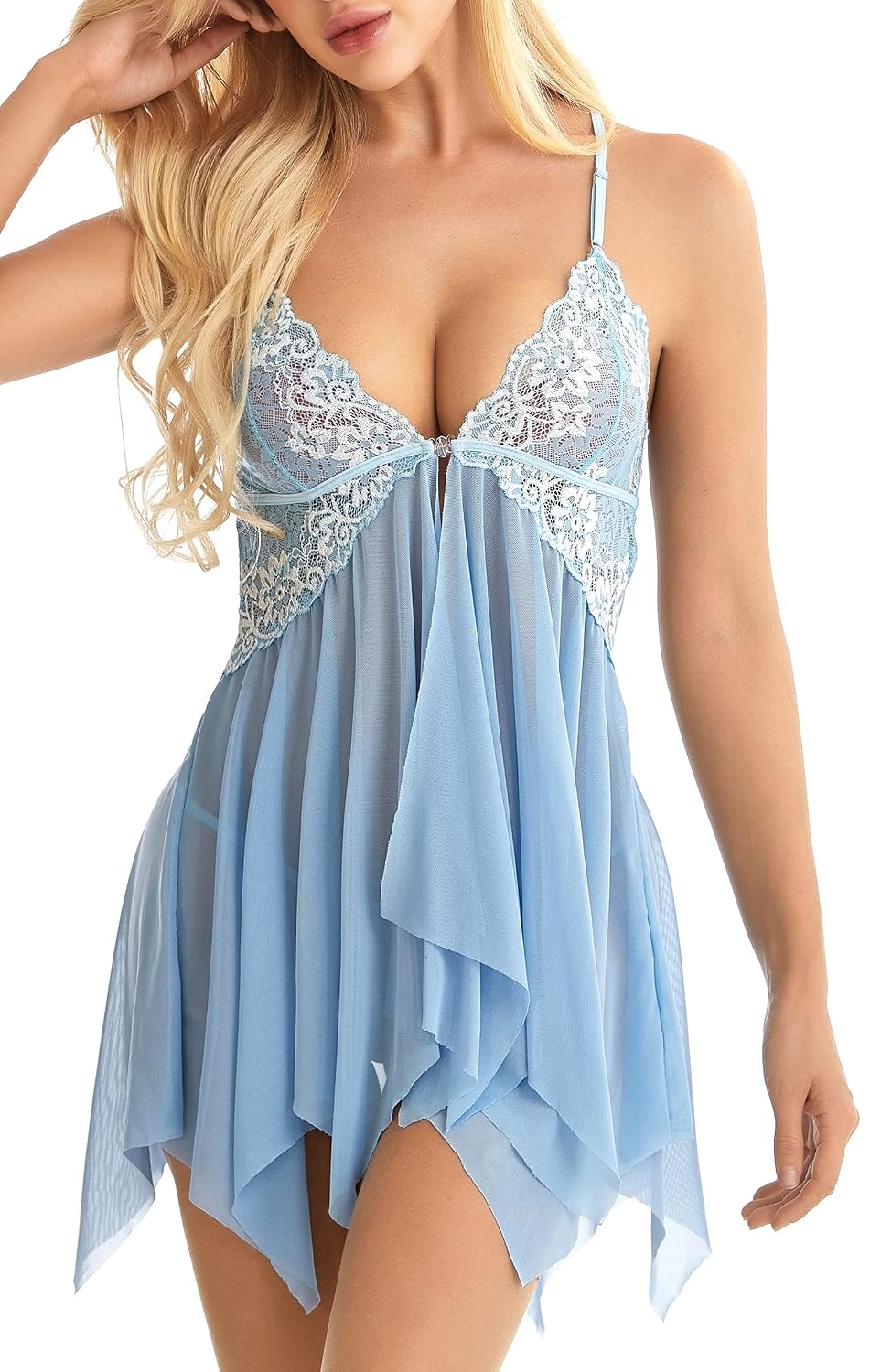
Take the ADOREJOY front closure mesh lace babydoll chemise. It is a fall piece in the babydoll and chemise aisle: mesh, lace, and a front clasp meant to be seen under an open cardigan. That clasp is doing visual work. It breaks up the torso, gives the eye a place to land, and makes the garment easier to step into. It is not asked to hold anything in place for an afternoon. It is a shape, not a structure.
A Latch Is Not a Job Title
Calling something a front-closure bra tells you where the hardware lives. It tells you nothing about what the hardware does. The bra aisle now contains every flavor of front closure: snaps, hooks, zippers, clips, and plastic buttons. Some are there for convenience. Some are there for access. And some are there because a clasp on the front is cheaper than a proper underwire channel and gives the same visual signal.
That is fine until you need a real pumping bra. A hands-free nursing and pumping bra is not a lace ornament with a center clasp. It has to hold pump flanges in position, stay stable while you move, and open the same way every time. The front closure on a garment like the Rumina hands-free nursing and pumping bra is load-bearing. It is not a style choice; it is a mechanical joint.
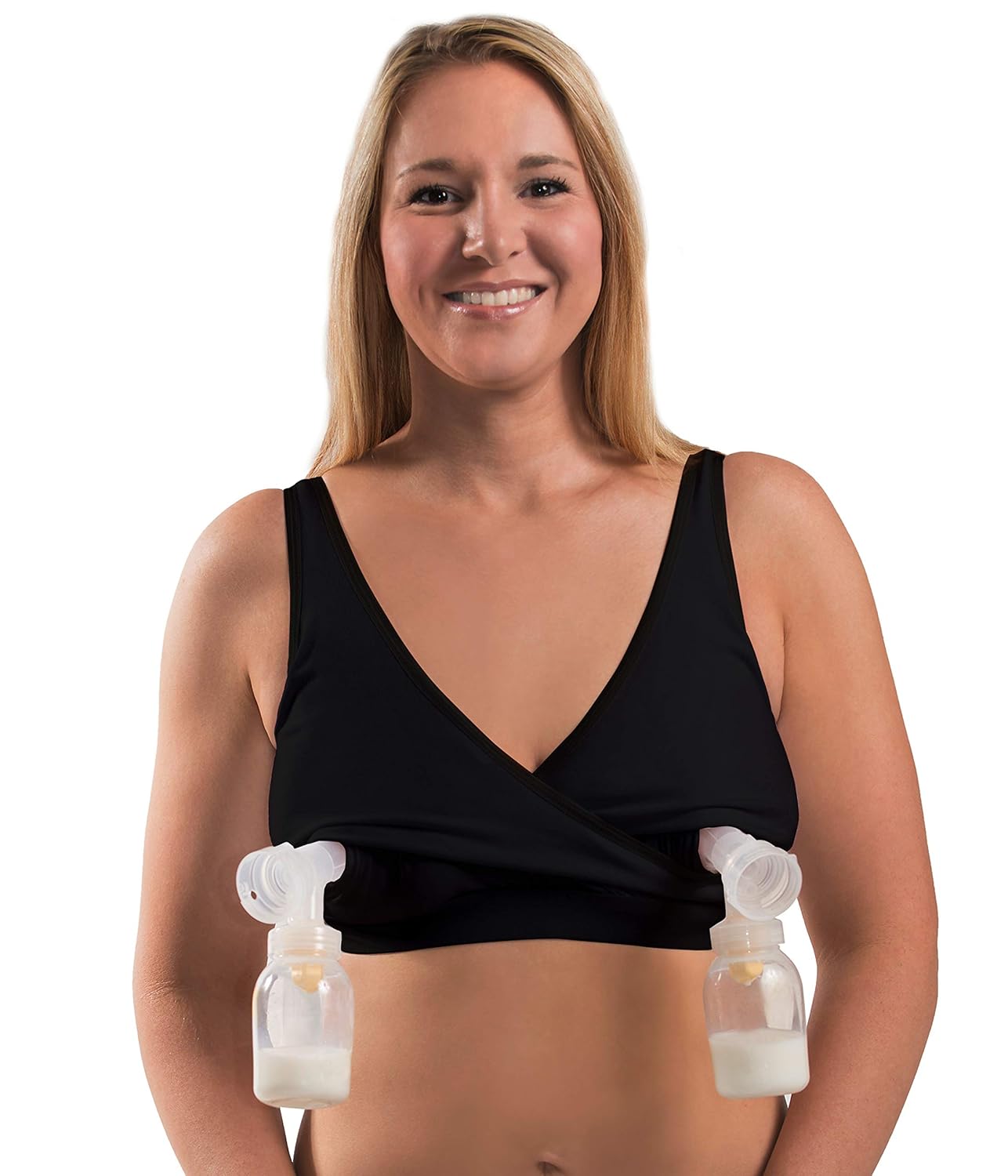
Same hinge, different job.
Fall Is Where the Mislabel Shows Up
Fall is the season we layer, and layering is where front closure gets confusing. A babydoll worn under a shirt becomes a second-skin layer; its front clasp reads as a bra, but its fabric and fastening are built for a short, low-tension job. A pumping bra worn under a sweater is the opposite: it feels like a bra, but it is really a piece of equipment with a clasp.
So when we sort the aisle, ask what the clasp has to survive. A cheap clasp on a chemise is not a scandal; it is honest if the garment costs like a chemise. The scandal is treating the word 'front closure' as proof of maternity-grade support. If you are buying for nursing, pump, or serious daily wear, measure yourself first and use our guides before you trust a latch. The hinge knows the difference even when the listing does not.