Longline Sports Bras Under Open Shirts: The Fall Layer With Limits
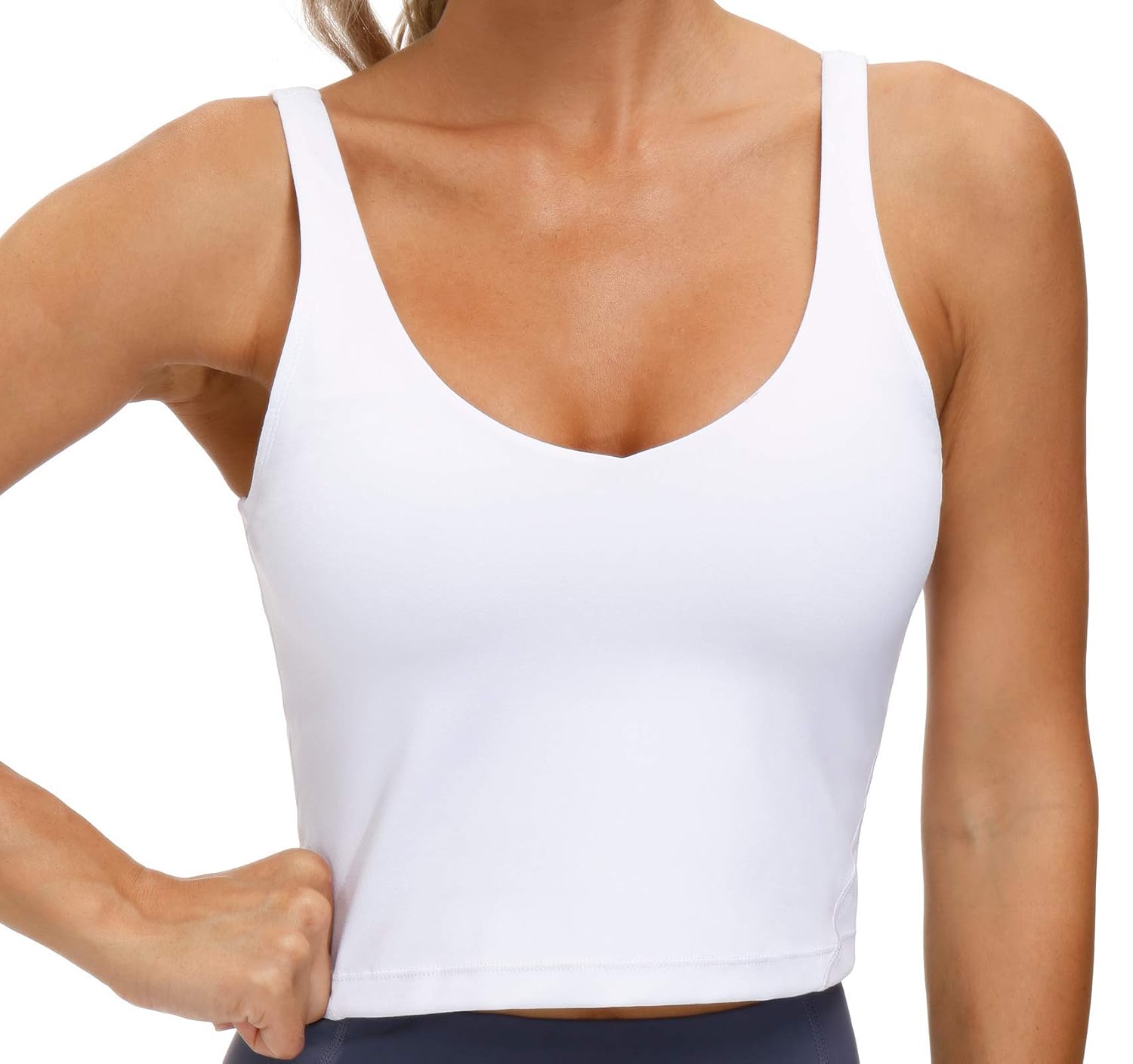
An open shirt is the fall version of a reveal. The collar frames the neck, the placket hangs loose, and the layer underneath has to hold the whole silhouette. This season, the layer getting the job is the longline sports bra. It covers more than a standard band, cuts a clean line under a plaid shirt or a blazer, and no longer looks like you just left the gym.
That does not mean the longline sports bra is a replacement for every bra in the drawer. It smooths a specific territory: the ribcage, the lower bust, the transition between bra and torso. It does not do the work of a minimizer or a wired plunge. Know the difference before you buy.
What the Longline Actually Smooths
The math is simple: more fabric, lower line. A longline bra extends past the standard underband, so it covers the ribs and sometimes part of the stomach. Under an open shirt, that coverage reads as a deliberate layer instead of an underwear accident. It smooths the seam between your bra and your torso, reduces the risk of a bulged underband, and gives a straight vertical line to hang a flannel or an unbuttoned work shirt over.
It also answers a fall question: what do you wear under a shirt that stays open? A full-coverage bra is too obvious in the gap; a lace bralette can fight the shirt’s volume. The longline sports bra has enough surface to look intentional and enough compression to keep the line quiet. In the bra aisle, this is the closest thing to a top masquerading as a base layer.
The fabric matters more than the style name. A ribbed or cotton longline gives a soft, streetwear silhouette. A smooth compression version creates a sharper line under a blazer. Both are the same category, but they do not behave the same under a shirt. Read the material, not the label.
What It Cannot Replace
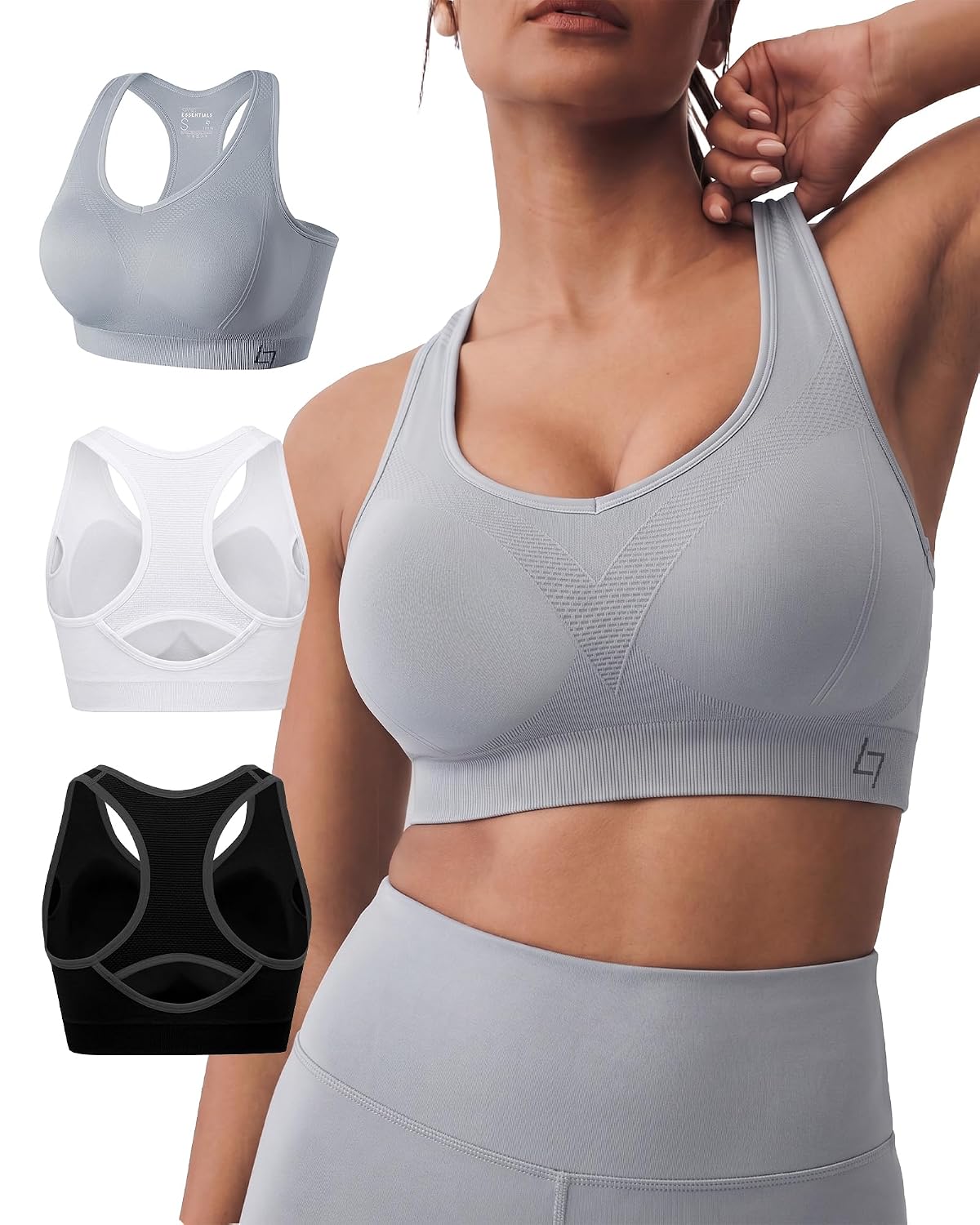
The longline sports bra smooths by compression and coverage. A minimizer smooths by redistribution: wider cups carry tissue toward the body and spread it across the chest. Those are different engineering jobs. If you are shopping for a minimizer because you want a smaller-looking profile under a soft fall sweater, a compressed longline will give you a flatter front but it will not reshape the bust the way a minimizer does. It cannot replace a minimizer. It is a different tool for a different intended effect.
The wired plunge is another job. A plunge bra uses underwire and a low center gore to keep the bust supported while leaving the chest open. A longline sports bra is often wireless, with a high center front that closes off the décolletage. Under an open shirt with a deep V, it will show a blunt panel where the plunge should sit. That is not a failure; it is the wrong layer for the neckline. If the shirt is cut to plunge, buy the plunge and skip the longline.
This is not a knock on the category. It is a warning about expectations.
The Street Bra Is Still a Bra
What changed is context. The longline sports bra migrated from gym bag to open-shirt uniform because designers started making it with softer seams and more coverage. It can now pass as a crop top, a layering piece, or a visible style move. But it is still sold with band sizes, cup sizes, and straps that need adjusting. Treat it like fitted clothing, not a top that tolerates a guess.
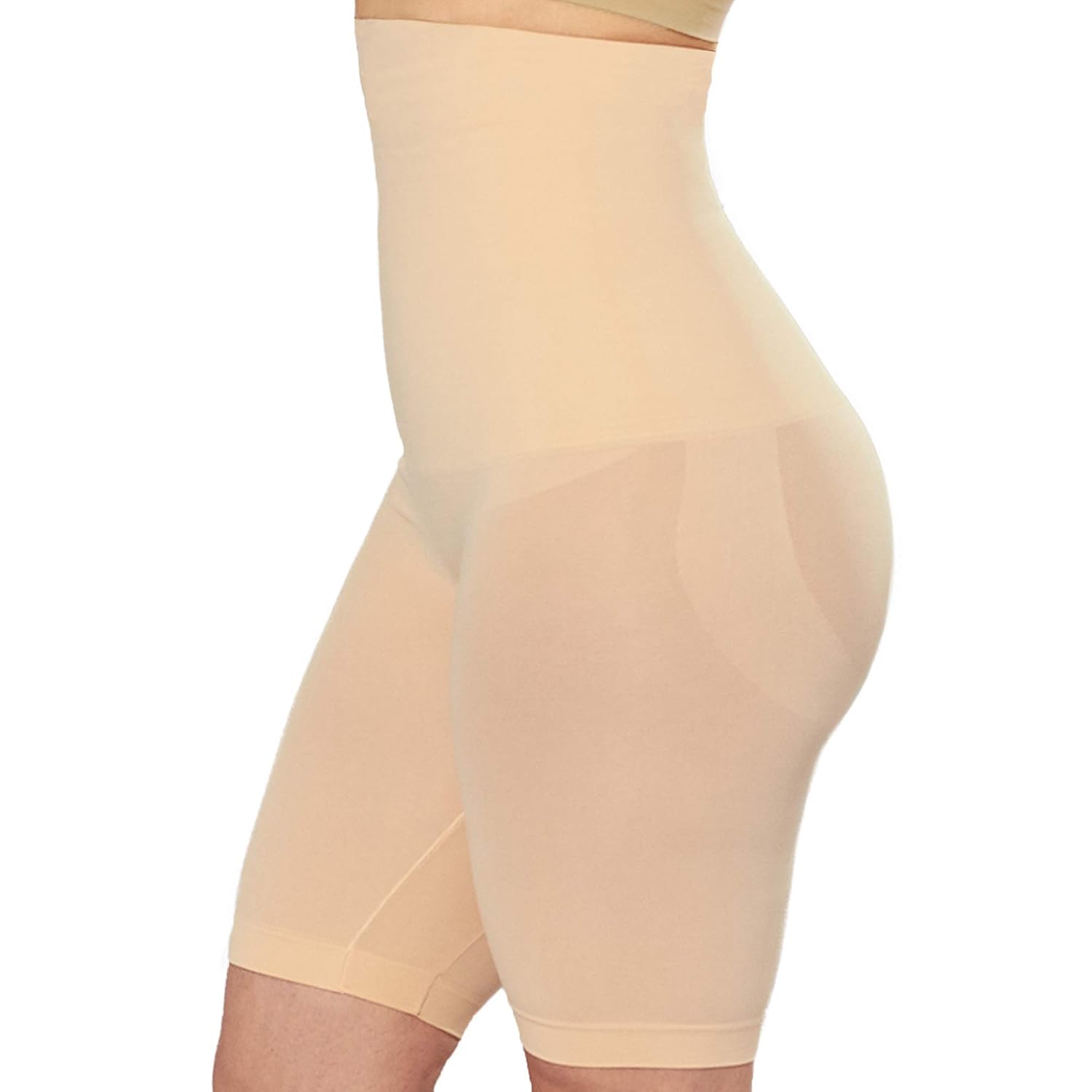
Measure first. The difference between a supportive longline and a shifting tube is often one band size. Use the measurement guide, then check the brand’s size chart. For fuller-bust coverage, the sports bra listings include options built on larger band architecture; for a smoother torso line, the shapewear section may solve a problem the bra cannot. If you are still comparing silhouettes, the reviews and guides separate what holds its shape from what only photographs well.
Fall layering does not forgive a bad foundation. Under an open shirt, the longline sports bra is a strong, honest layer. Just do not ask it to be a minimizer or a plunge. It was not built for those roles, and your shirt will tell you.