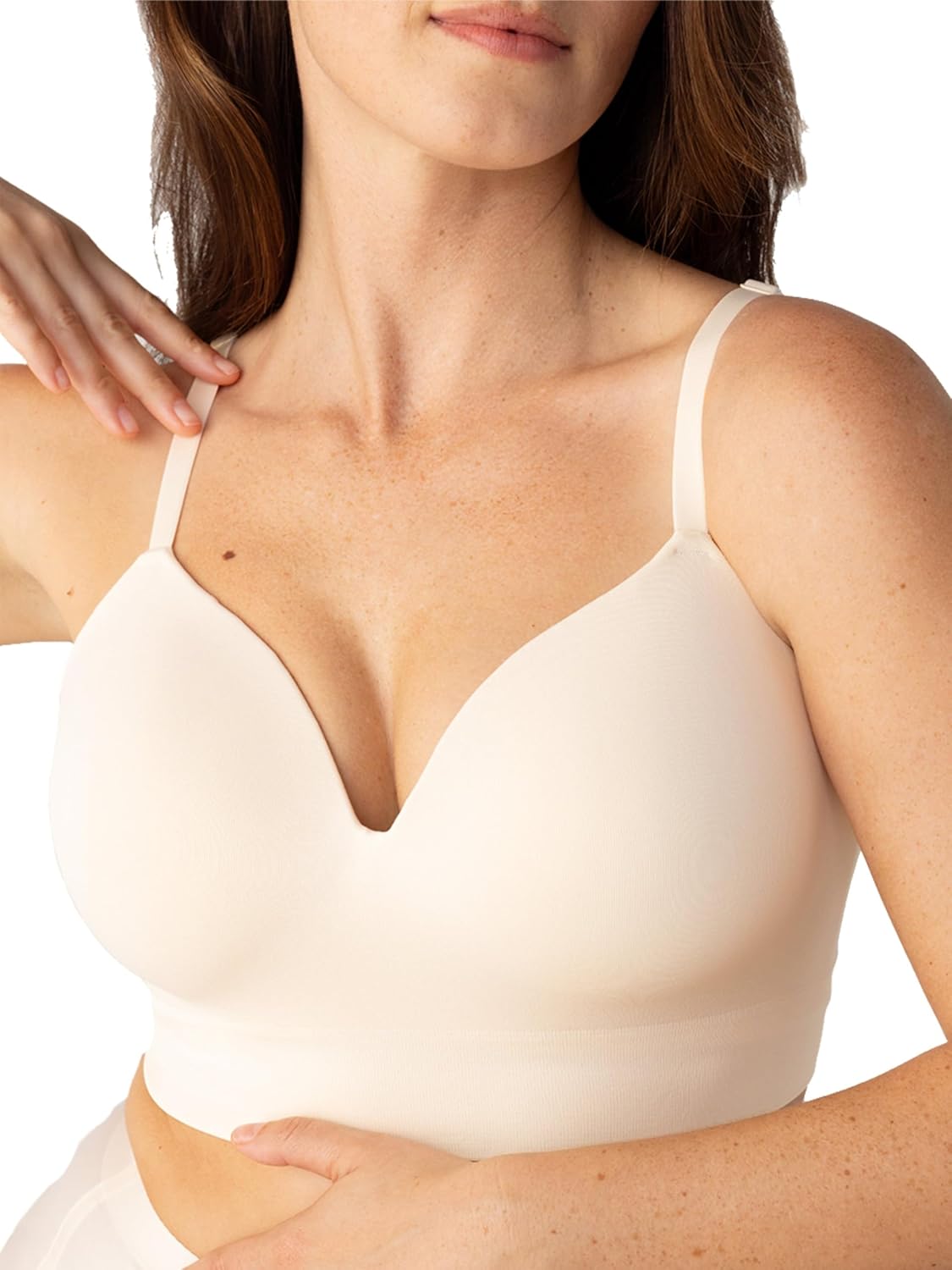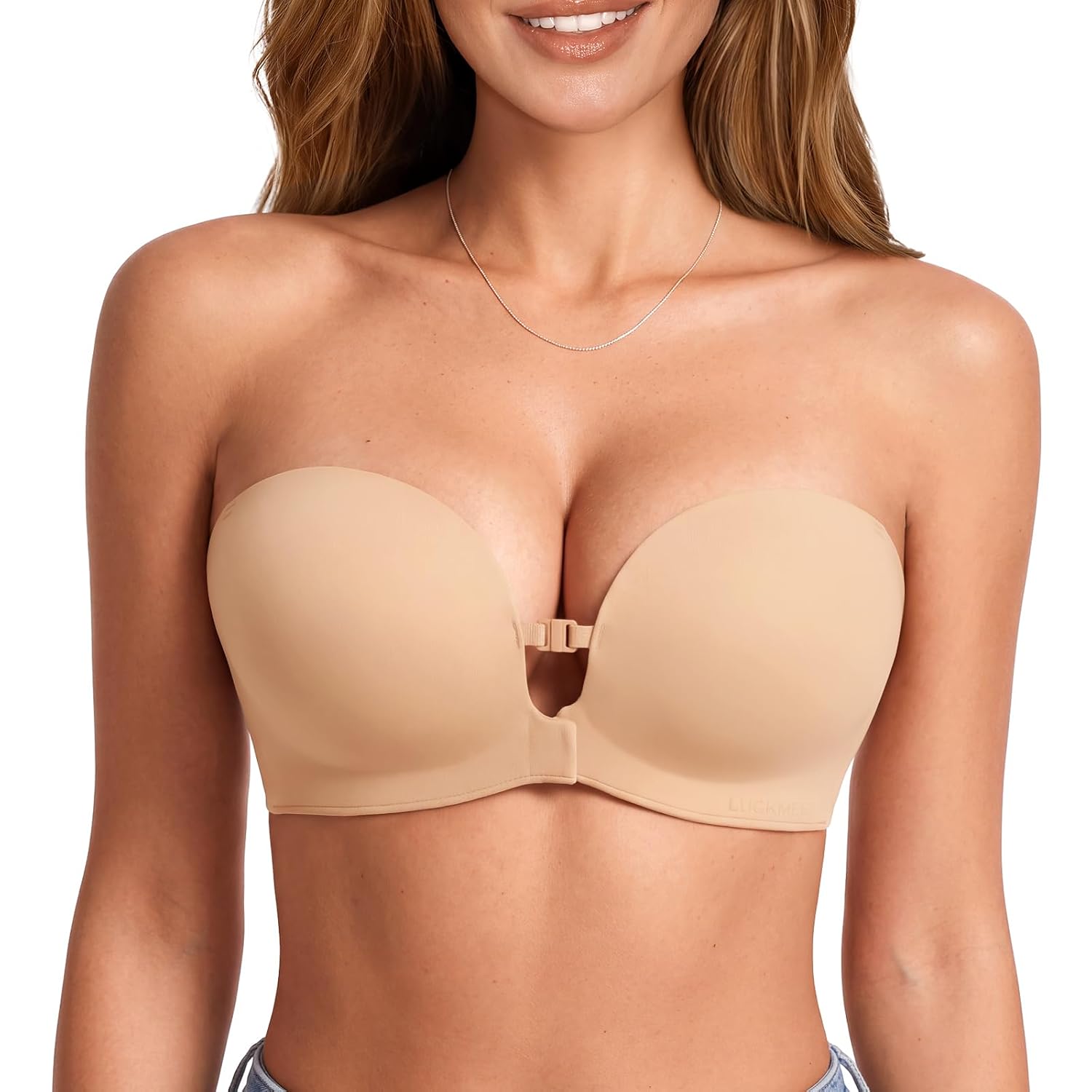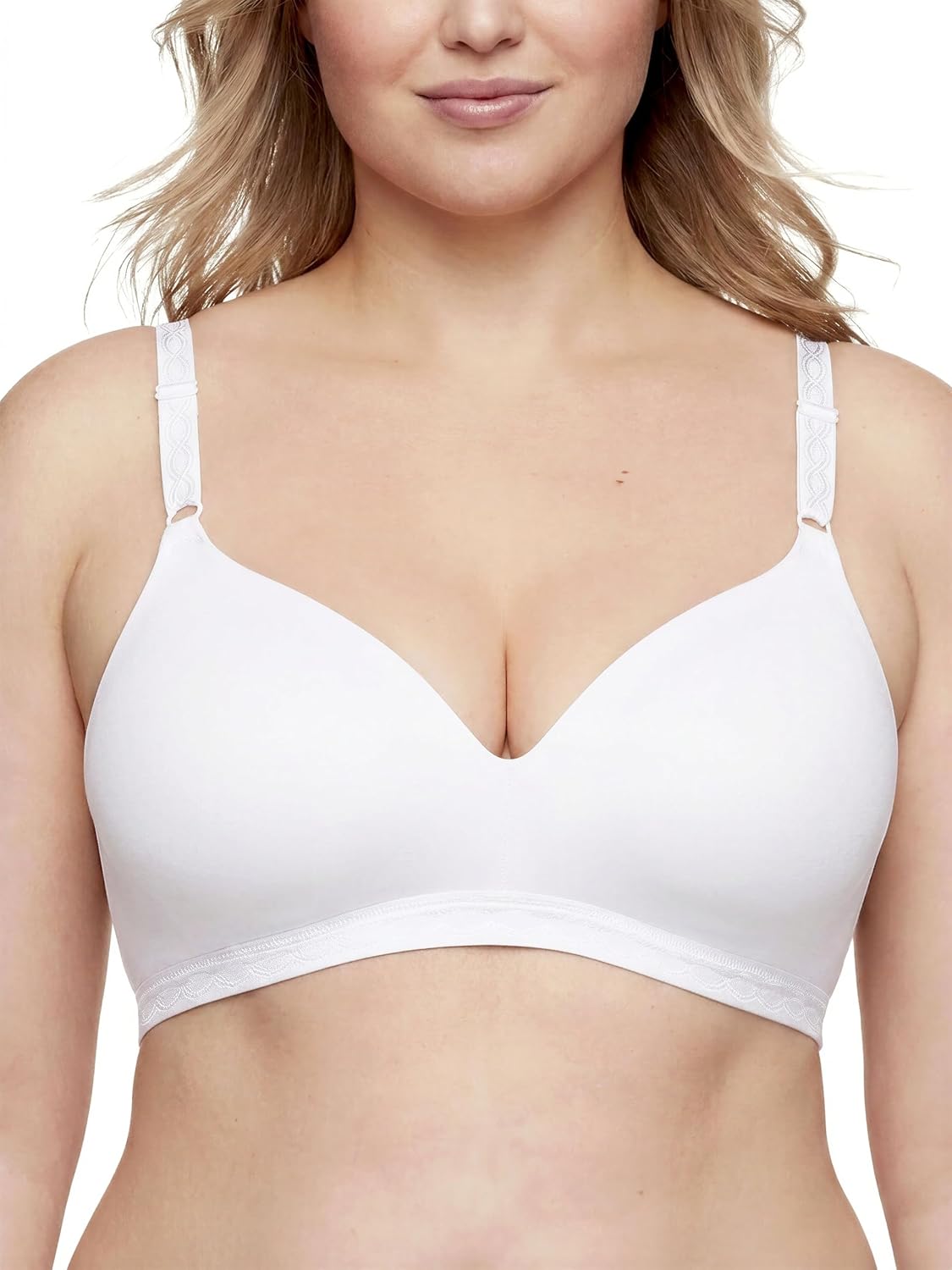
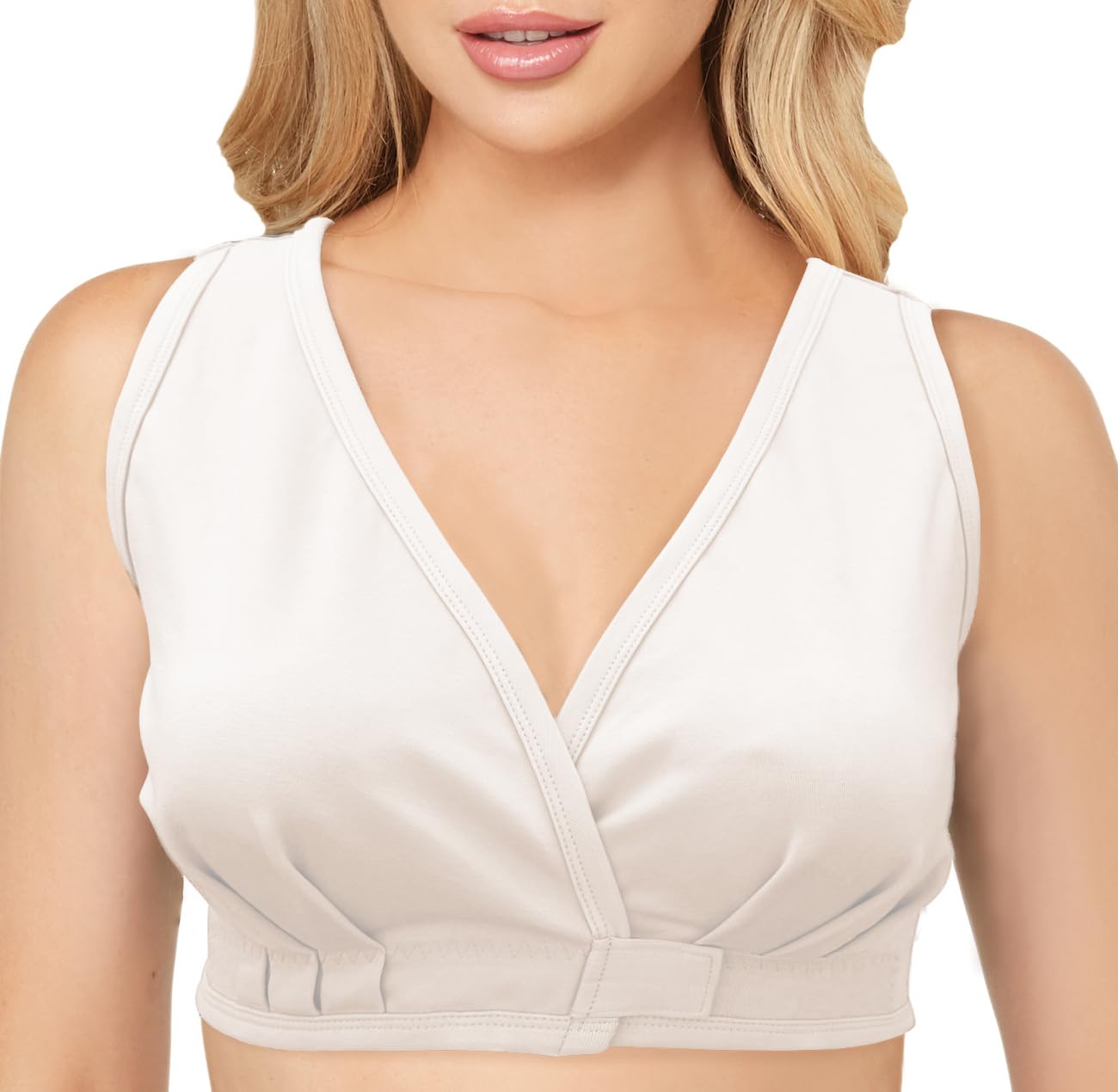
Front-Closure Bras Compared: Ease, Support, and Everyday Fit
Front-closure bras are easier to put on when shoulder movement is limited, but convenience is only the beginning. The closure changes how the front of the bra sits, how the cups meet at the centre and how the garment distributes tension. A good one should close flat, stay shut and support without making the centre front feel stiff.
Three different jobs
A cotton adaptive style is usually the softest option for daily wear and dressing assistance. A posture-focused wireless bra may use a wider back and firmer panels to encourage a straighter line under clothing. A post-surgery compression style has a different priority: controlled support, gentle fabric and access that does not require stretching the shoulders. These are not interchangeable categories, even when all three close in front.
How to judge the fit
Close the bra while standing naturally, then lift both arms and take a few breaths. The front closure should not gape, twist or press into the sternum. Check that the cups contain without flattening and that the back band remains level. If the closure is pulling open, the cup or band may be too small; if the back rides up, it may be too large. Never solve either problem by tightening the straps alone.
Who should consider one
Front closure makes sense for anyone who values easy dressing, has reduced shoulder mobility or wants a secure, smooth everyday layer. For medical or post-operative use, follow your clinician’s instructions first and treat product descriptions as general guidance, not medical advice. Gloria’s [post-surgery bra guide](/blog/best-post-surgery-mastectomy-bras-features-that-actually-matter) explains why compression level and pocket construction matter.
Related Gloria picks
Alessandra B Cotton Adaptive Front Closure Bra · Leonisa Posture Corrector Wireless Front Closure Bra · SHAPELLX Post Surgery Front Closure Bra
Small design details make a large difference
Look for closures that are easy to see and operate without forcing the cups together. Hooks can be practical, zips can be quick, and a wide panel can spread pressure more evenly, but each design has trade-offs. A zip should lie flat and have a fabric guard; hooks should not sit directly on sensitive skin; a wide front panel should not make breathing feel restricted.
Also inspect the back. Front closure does not guarantee good support if the back band is narrow or rides upward. For posture styles, make sure the shoulder straps are adjustable and that the garment is not pulling the shoulders backward aggressively. Support should feel balanced, not like a correction device you are fighting all day.
Bottom line
Choose cotton adaptive designs for everyday ease, posture designs for a firmer structured line, and post-surgery designs only when their materials and compression match professional guidance. The front closure is useful, but the whole garment still has to fit.
A better way to make the final choice
Before adding a piece to your basket, write down the outfit, activity and fit problem it is meant to solve. Then check the product details for the band construction, cup coverage, strap adjustment, fabric composition and care instructions. Those details tell you more than a broad label such as “supportive” or “comfortable.” If the listing does not explain a feature that matters to you, treat that as a reason to ask before buying rather than guessing.
When the item arrives, check it on clean, dry skin and under the clothing you bought it for. The band should remain level while you move, the cups should contain without cutting in, and the straps should add adjustment rather than carry the entire garment. Keep the tags on until you have completed that test. A few calm minutes at home are more useful than judging a fit in a changing room under poor lighting.