Wireless vs Underwire Bras: Which Is Better for Everyday Wear?
Neither construction wins every day. Wireless bras usually win for long hours, travel, relaxed clothing and anyone who dislikes pressure at the ribcage. Underwire wins when you want separation, a lifted outline or stronger shaping under a fitted top. Comfort is not a category; it is the result of correct size, good construction and the job you are asking the bra to do.
Where wireless works best
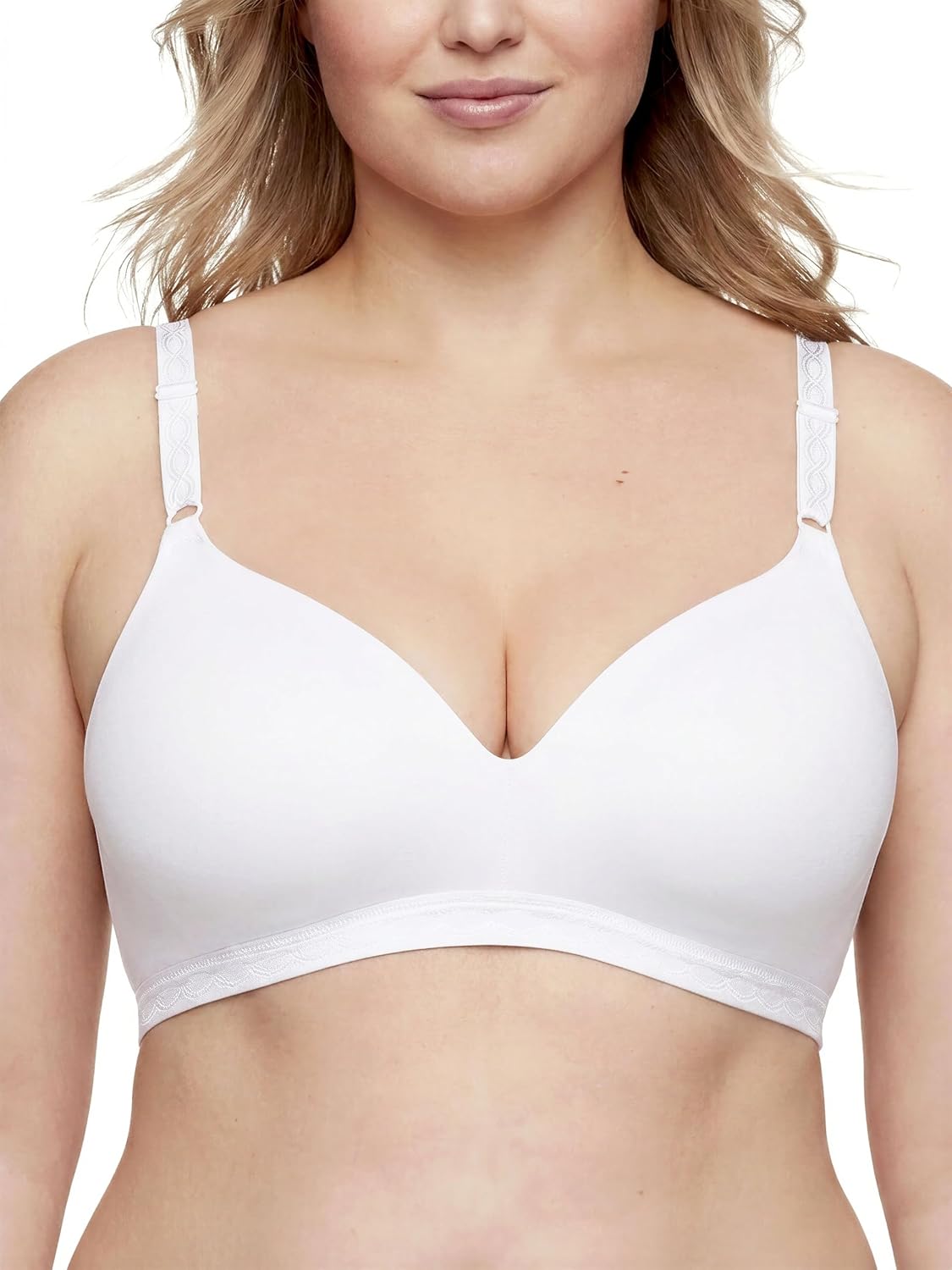
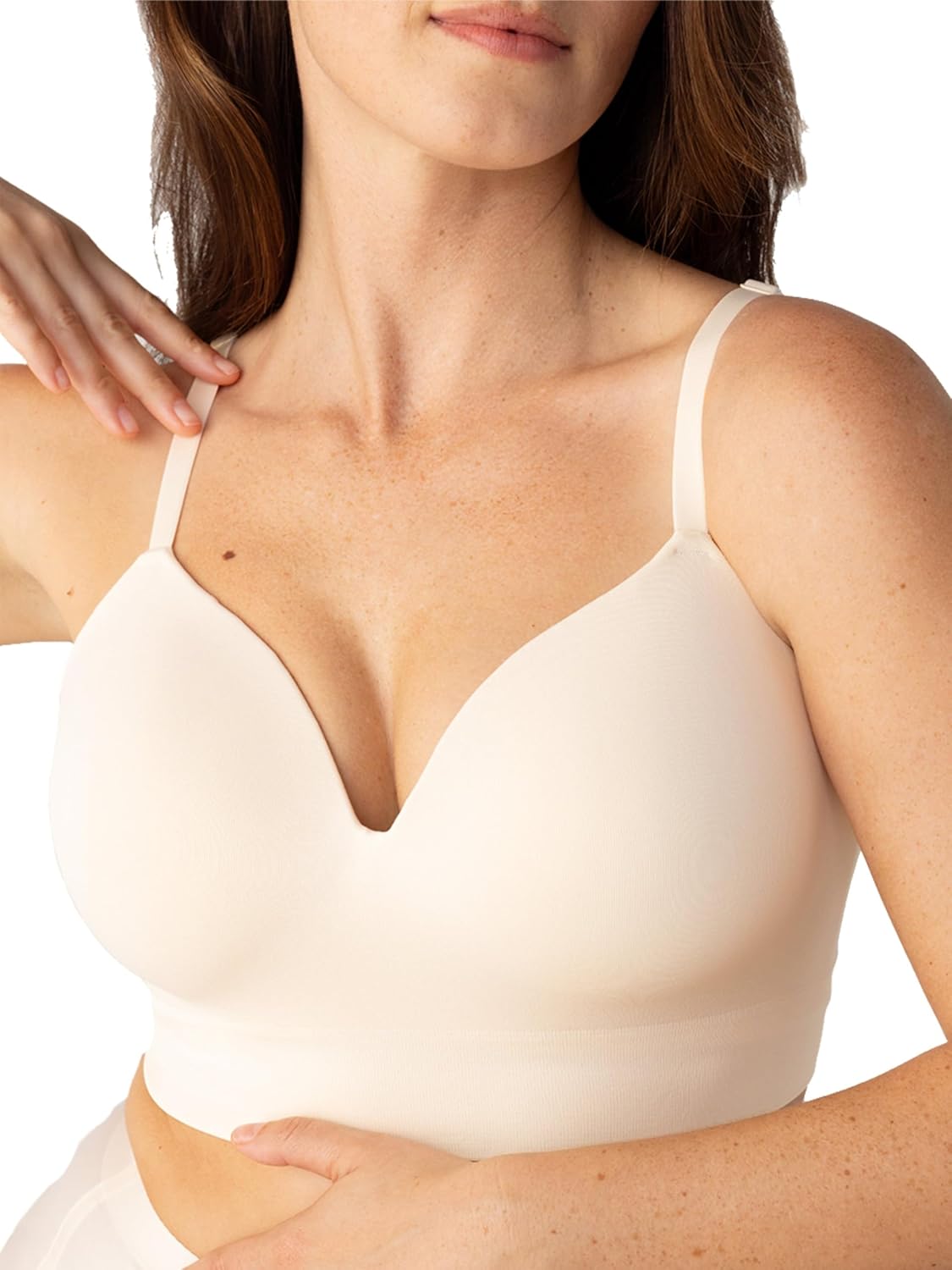
A wireless bra is a strong default for errands, desk days and soft clothing. The band and fabric carry the support rather than a wire, so the fit depends heavily on the band staying firm and level. Look for a broad band, shaped cups and straps that adjust without digging. Wireless does not mean unsupportive; it means the support is distributed differently.
Where underwire still earns its place
Underwire is useful when the cups need to separate and lift rather than simply contain. It can create a cleaner line under a blazer or a fitted dress, especially for fuller or more projected shapes. The wire must sit in the breast crease, never on breast tissue. If it pinches, pokes or slides away during the day, the issue is usually size or shape—not a personal failure to “get used” to underwire.
A practical decision
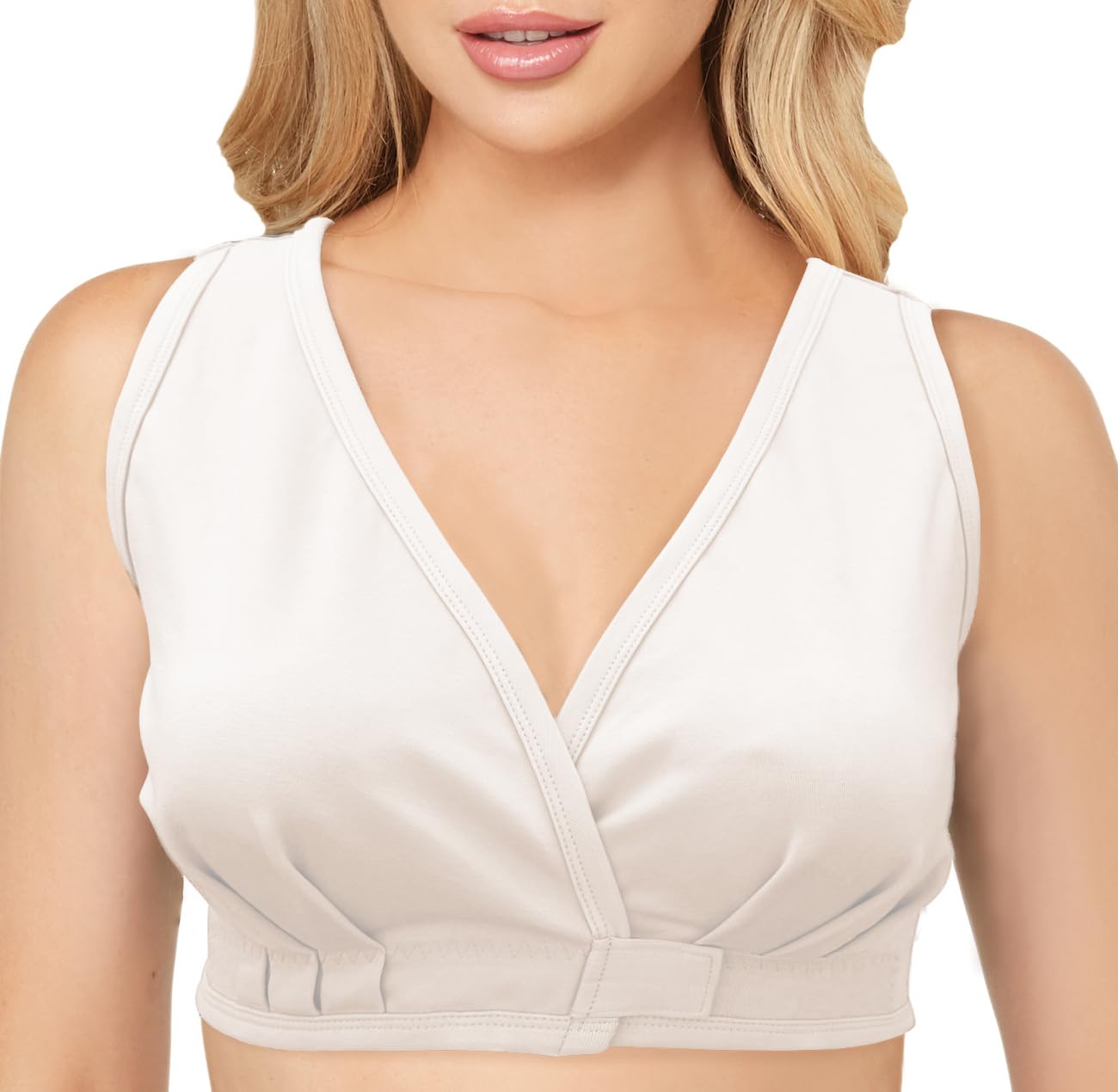
Choose wireless for maximum ease and underwire for structure. Keep both if your wardrobe asks for both. A soft adaptive front-closure option can be especially useful after surgery, during limited shoulder movement or whenever hooks at the back become frustrating. Compare the construction, return policy and measurements rather than assuming a higher price guarantees a better fit.
Related Gloria picks
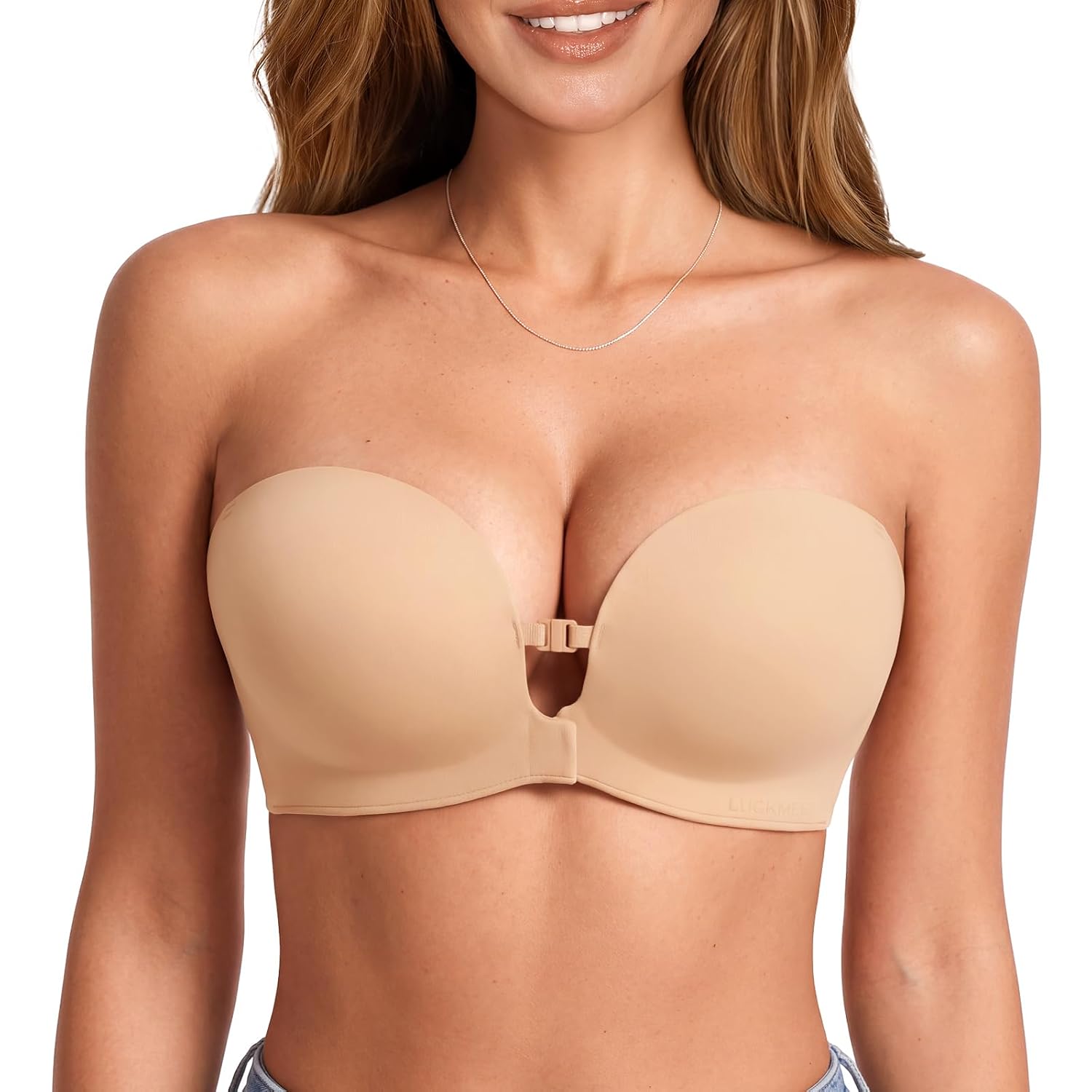
SHAPERMINT Women's Wireless Comfort Support Bra · OEAK Wireless Gel Push-Up Bra Plus Size · Alessandra B Cotton Adaptive Front Closure Bra
Do not confuse support with stiffness
A firm band can support without feeling hard, and an underwire can be comfortable when it follows the breast crease. Conversely, a wireless bra can feel restrictive if the band is too tight or the fabric has nowhere to distribute pressure. Try both after sitting, bending and taking a full breath. A bra that is comfortable only while standing in front of a mirror is not an everyday winner.
Rotating between constructions can also improve comfort. Wearing the same tight band every day gives elastic no recovery time and makes one fit problem feel like a permanent body problem. Keep a wireless option for long workdays and a structured option for clothing that needs a defined shape.
Bottom line
Buy for the task, not the label. Wireless is usually the better comfort tool; underwire is usually the better shaping tool. The right size and a return policy matter more than the construction name on the tag.
A better way to make the final choice
Before adding a piece to your basket, write down the outfit, activity and fit problem it is meant to solve. Then check the product details for the band construction, cup coverage, strap adjustment, fabric composition and care instructions. Those details tell you more than a broad label such as “supportive” or “comfortable.” If the listing does not explain a feature that matters to you, treat that as a reason to ask before buying rather than guessing.
When the item arrives, check it on clean, dry skin and under the clothing you bought it for. The band should remain level while you move, the cups should contain without cutting in, and the straps should add adjustment rather than carry the entire garment. Keep the tags on until you have completed that test. A few calm minutes at home are more useful than judging a fit in a changing room under poor lighting.