Tummy-Control Swimwear Is Back in Stills — Here's What the Construction Tells You
Fall is here, and tummy-control swimwear is back in stills — meaning you’re looking at static product shots, not beach action. The question: Is the garment actually engineered to hold, or is it just a silhouette that looks like it does? The Gloria Team sees two distinct paths: the one-piece and the high-waist bikini. Neither is automatically better. Both depend on how the control panel is installed.
One-Piece vs. High-Waist: What the Seams Say
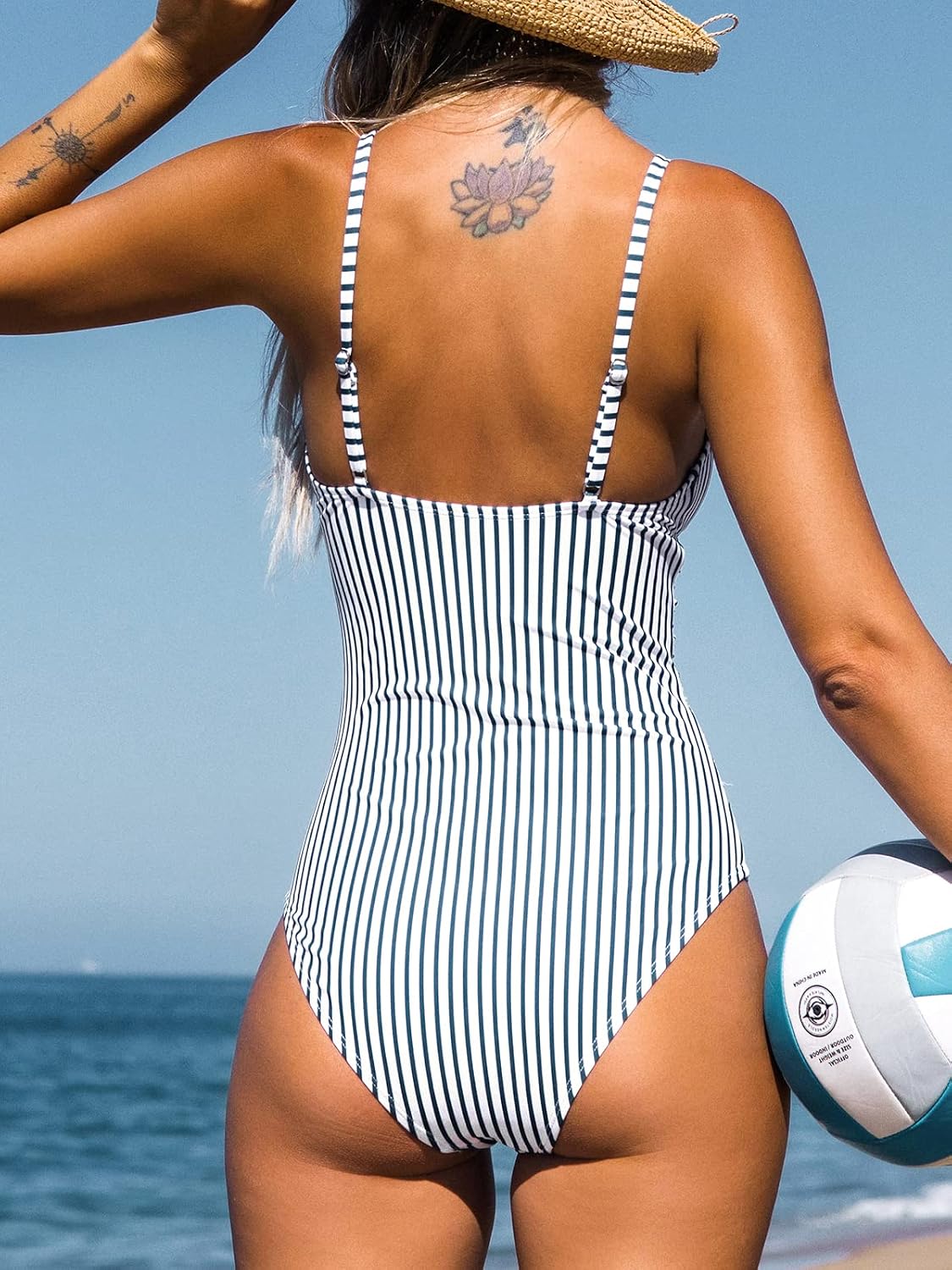
A tummy-control one-piece like the CUPSHE Women's Tummy Control One Piece Swimsuit relies on a full torso panel. The compression runs from underbust to hip. That’s a single sheet of power mesh sewn into the lining. The ruching on the side is not decorative — it’s gathering that allows the panel to pull flat across the abdomen without cutting into the ribcage. This is real construction. The seam is vertical, not curved. That means the fabric is anchored at the waist, not floating.
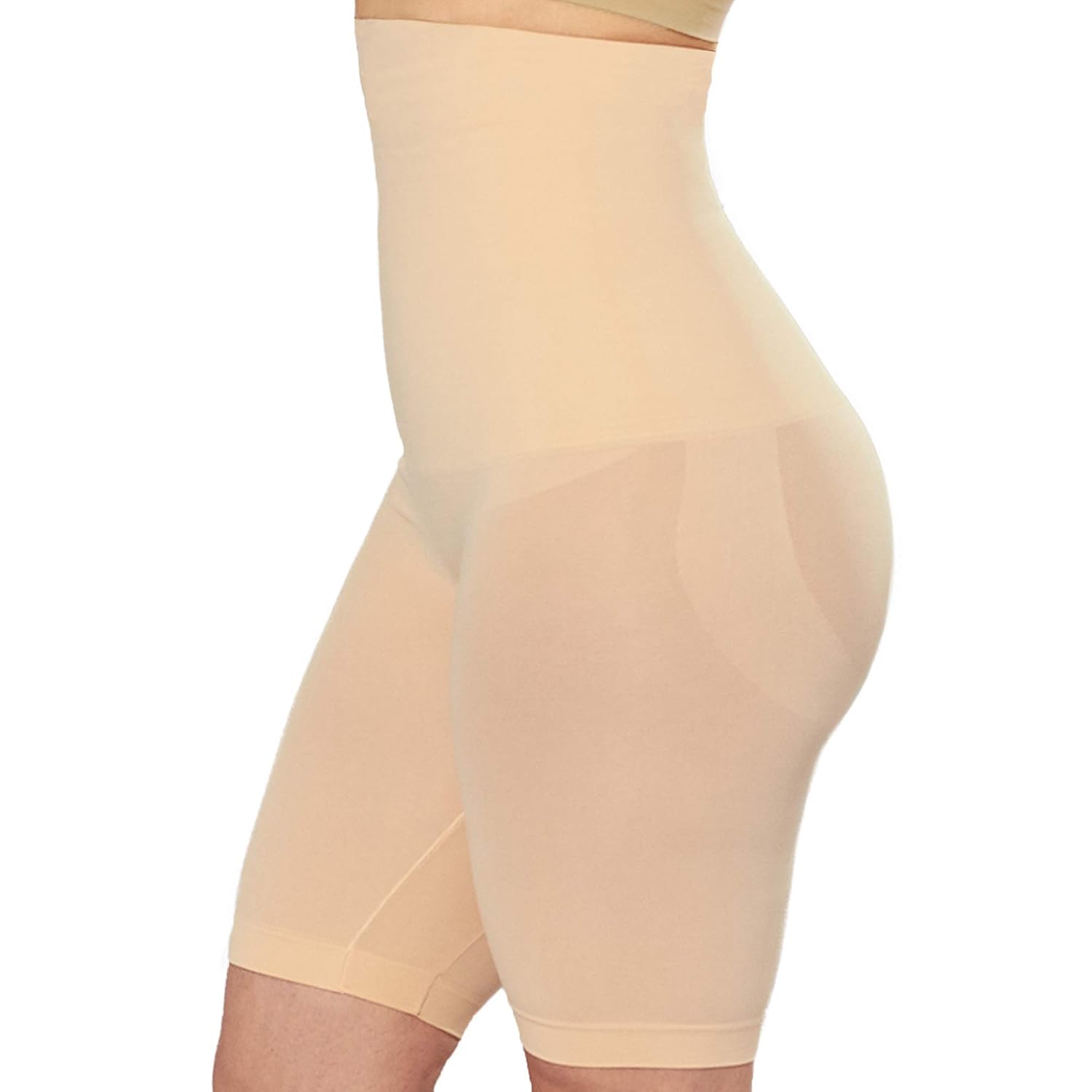
A high-waist bikini, such as the SHAPERMINT High-Waisted Tummy Control Shapewear Shorts (worn as swim bottoms), works differently. It compresses from the natural waist down to the upper thigh. The waistband is the critical point: if it’s a flat elastic band, the control is minimal. If it’s a zigzag stitch over a double-layer mesh, that’s a real hold. Shapermint uses a bonded waistband — no roll, no dig. The tummy panel is a separate piece sewn into the front, not a full shaper. That’s enough for a smooth line under a high-waist silhouette.
Ruching: Construction or Print?
Not all ruching is engineering. Some swimsuits use shirring — multiple parallel rows of elastic thread — to create a ruffled texture. That is a print technique. It does not compress. If you stretch the fabric and see the shirring lines separate, it’s just gathering. Real construction ruching is a single line of gathers sewn into a seam that is then sewn into the lining. You can’t pull it flat. That’s the difference: one is a visual trick, the other is structural hold.
For our readers who need actual tummy control, look at the inside. If the lining is a continuous panel of power mesh or nylon-spandex knit, that’s hold. If the outside fabric is all that’s there, you are buying a print. We see this across shapewear and swim alike. The same rule applies: the control panel needs to be sewn into the garment, not glued or tacked.
We also recommend checking our how-to-measure guide for your waist-to-hip ratio before buying high-waist bottoms. A high-waist bikini that doesn't hit your natural waist will roll down by minute three. That’s not the garment’s fault — it’s a fit mismatch.
For a deeper dive into compression fabrics that work under wet conditions, see our heat-tax shapewear article. The same inseam logic applies to swimwear: a longer leg band means more anchor, less ride-up.
This fall, buy the construction, not the promise. Ruching that is structural is worth the price. Everything else is just a print in a still.