The Bralette Years: Comfort That Still Feels Like Lingerie
There was a stretch of time — call it the bralette years — when an entire generation of women looked at the underwire in the drawer and decided, collectively, that they were done. The bralette was the answer: no wire, no clasp, no architecture, just soft fabric and a shrug. It arrived as a kind of quiet rebellion, and for a while it was enough that it simply did not hurt.
Early bralettes were honest about their limits. They gave light support and zero lift, which was fine for a lazy Sunday and useless for everything else. They were the sartorial equivalent of a hoodie — comfortable, beloved, and not something you would wear to a meeting. And for a lot of women, that was the point. Comfort, for once, was allowed to be the entire brief.
The Modern Bralette
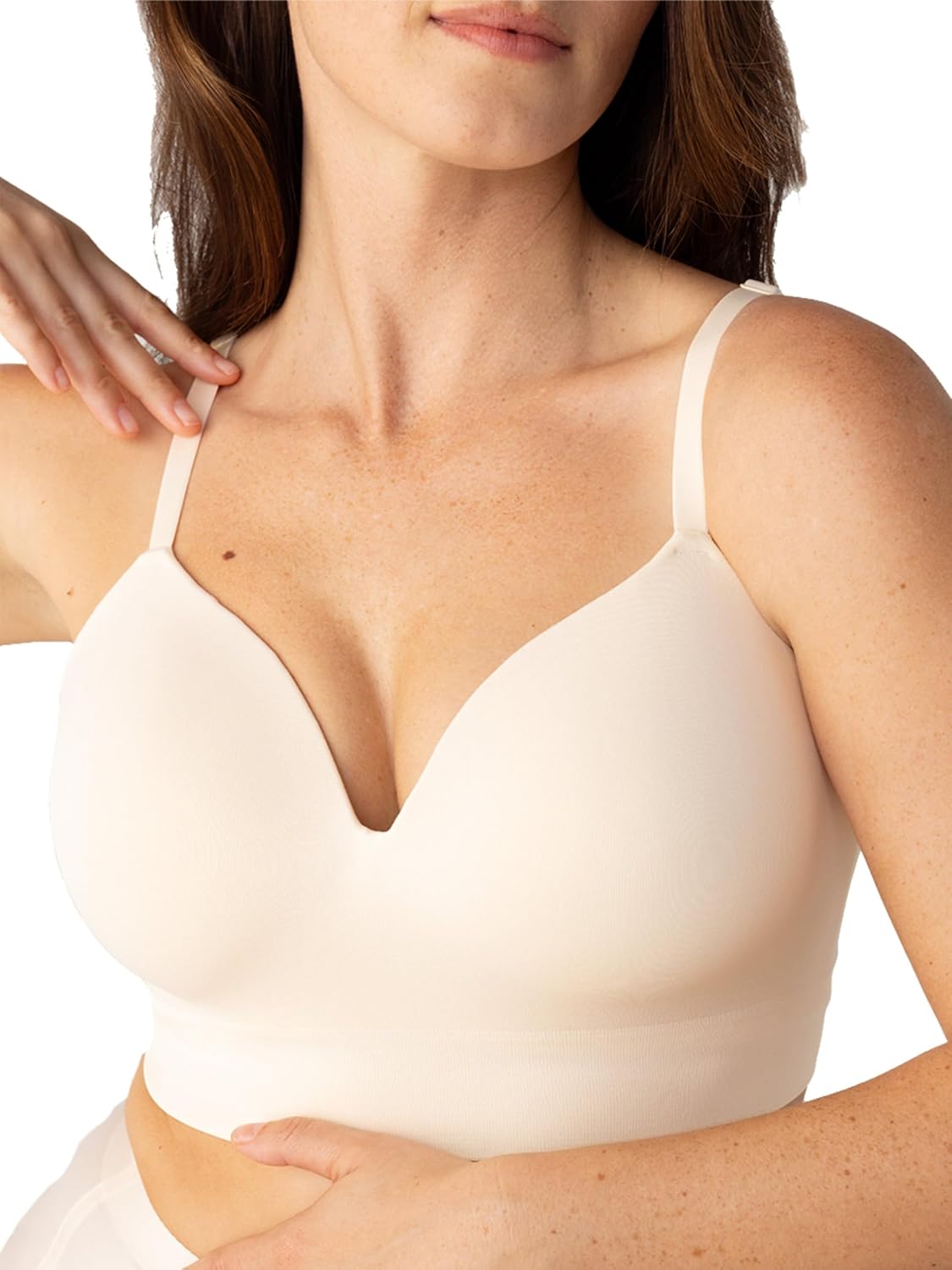
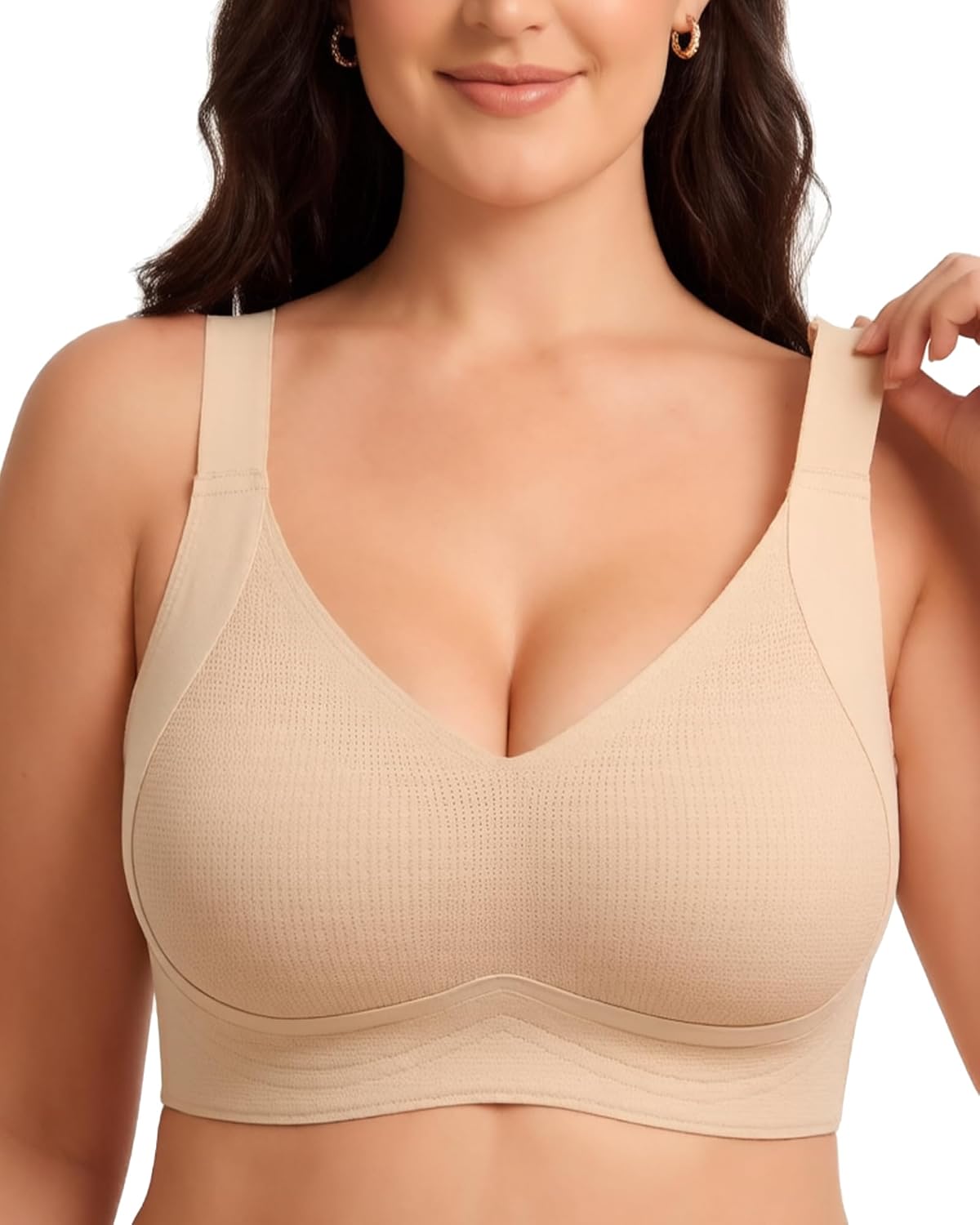
But the category has matured, and this is the part worth knowing: the bralette is no longer a compromise. Modern wireless pieces now come with real structure — gel support, wider bands, shaped cups, and smart layering that holds its own through a full workday. The fabric does the work that underwire used to do, and for small to medium busts the difference in lift is barely noticeable. You can now get support without hardware, and comfort without giving up shape.
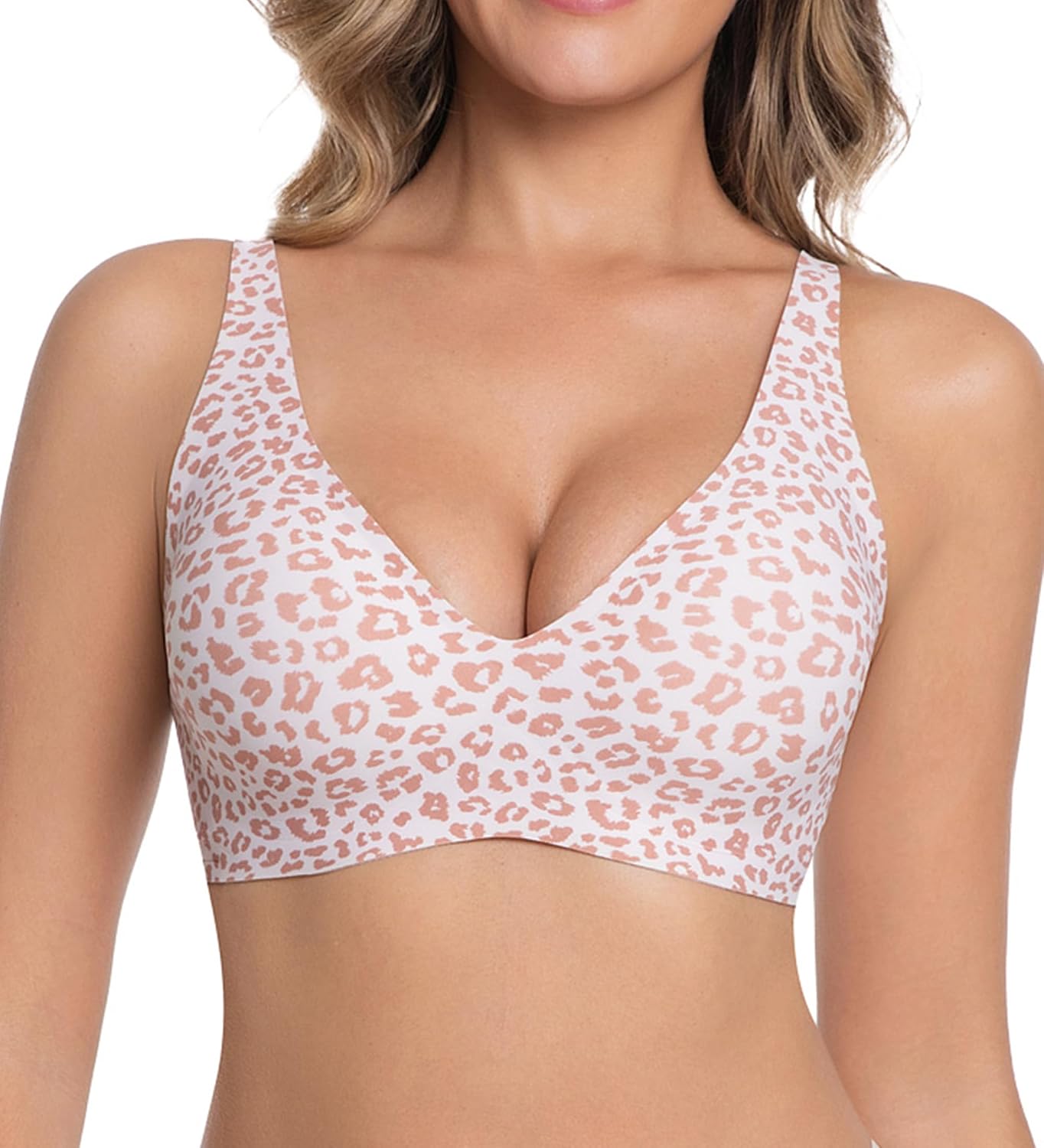
The deep-V and plunge bralettes are the sleeper hit here. They disappear under lower necklines in a way a traditional bra cannot, because there is no wire to show and no strap to fight with. And because there is no underwire to dig in, you forget them by lunch. That combination — invisible under a neckline and forgotten by noon — is exactly what a lot of women have been looking for without knowing how to ask for it.
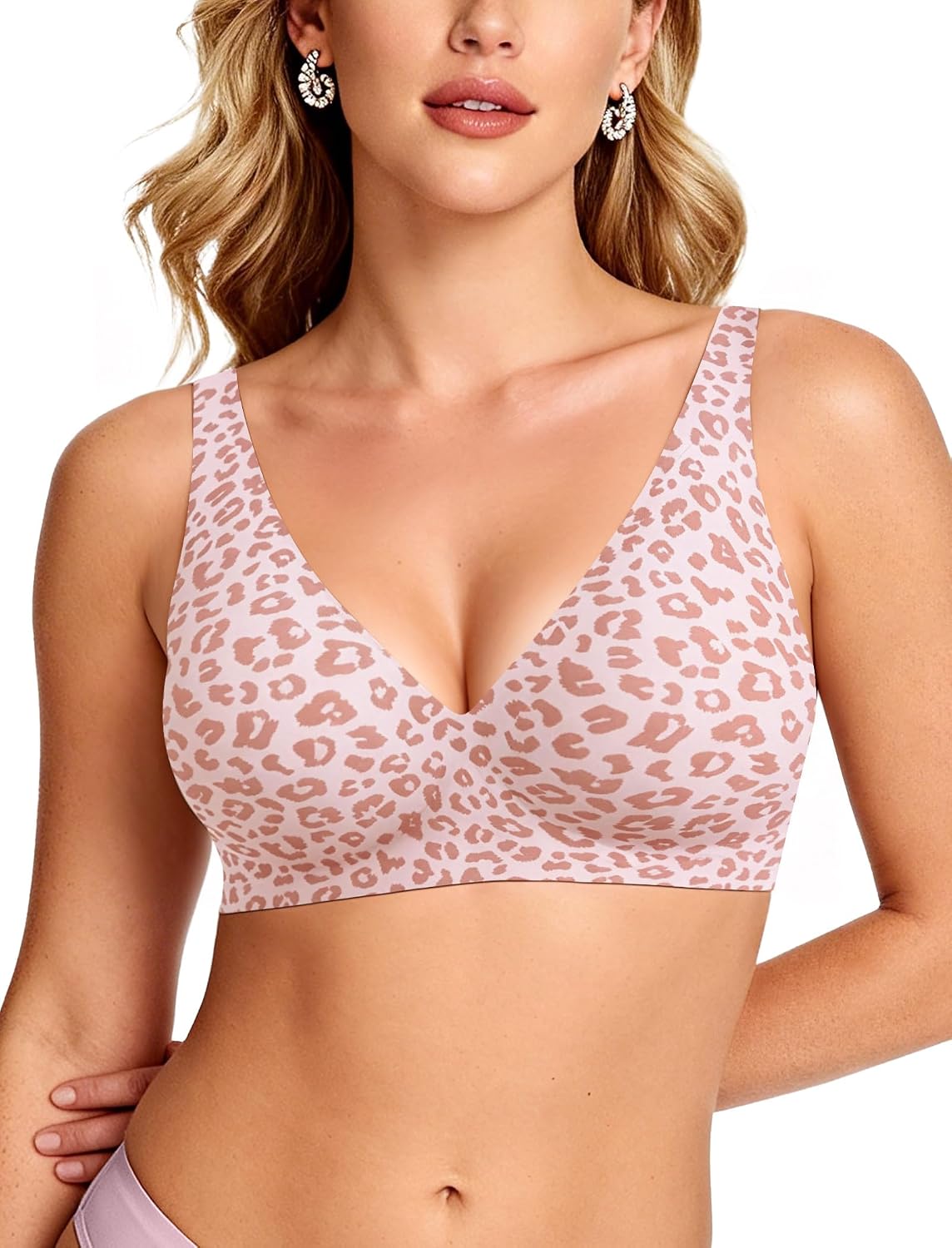
The trade-off is still real, and it is honest to say so. If you want maximum lift, maximum separation, and a defined silhouette that holds for twelve hours, a wired bra will always win. That is physics, not fashion. The bralette is not trying to be a wired bra any more than a sandal is trying to be a hiking boot. It is a different category with a different job, and pretending otherwise is how people end up disappointed in both.
Know Your Days
So the question is not "wired or wireless" in the abstract. The question is what your actual days look like. Most days are not maximum-lift days. Most days are "I want to feel like I am wearing nothing and still look put together" days — and that is exactly the job the bralette was built for. Reserve the underwire for the outfits that genuinely need it, and let the bralette handle everything else.
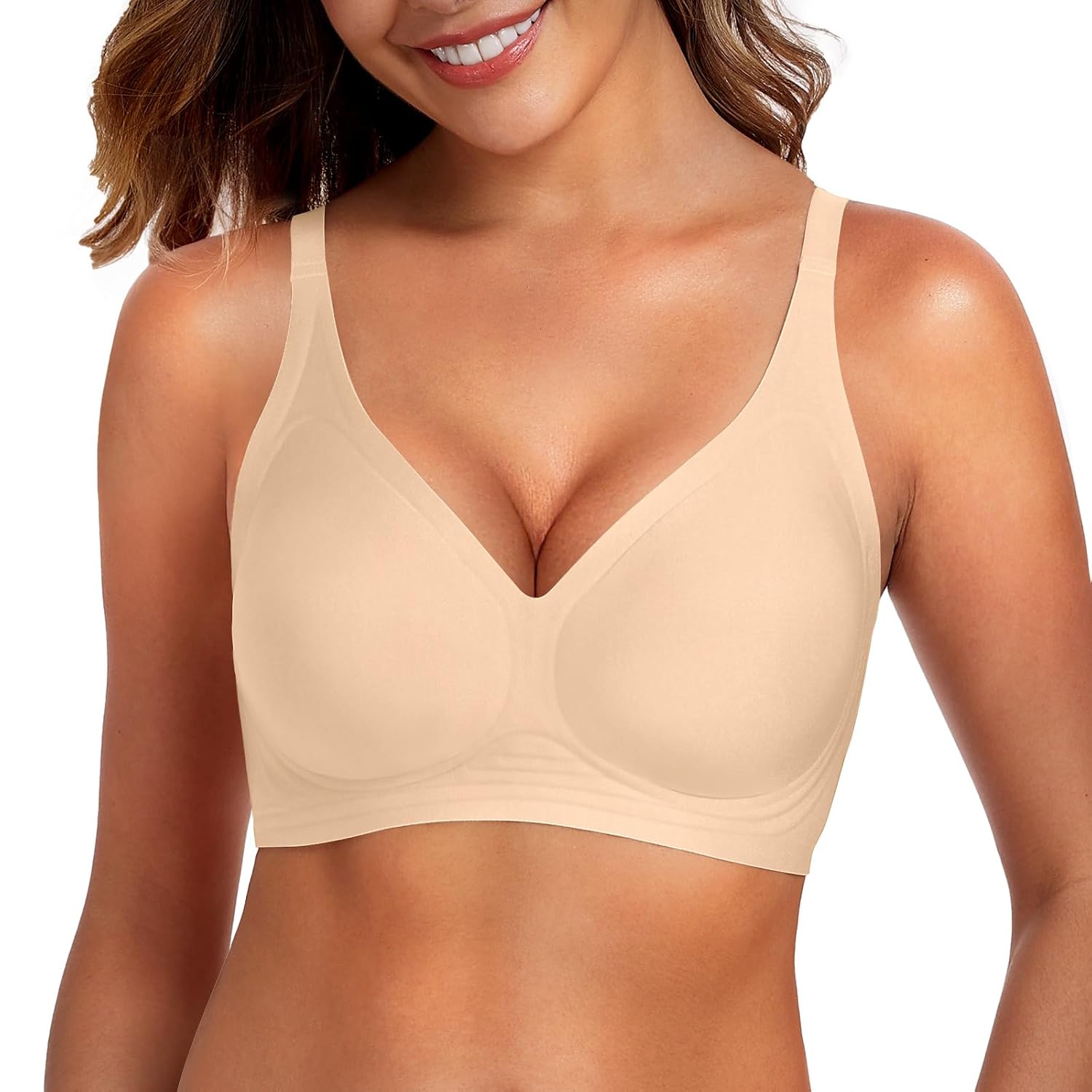
Buy one good neutral, one in a color you actually love, and rotate. The drawer gets simpler, and so do the mornings. That is the quiet gift of the bralette years: not just comfort, but the discovery that comfort was never the opposite of feeling good. It was the thing you were missing all along.
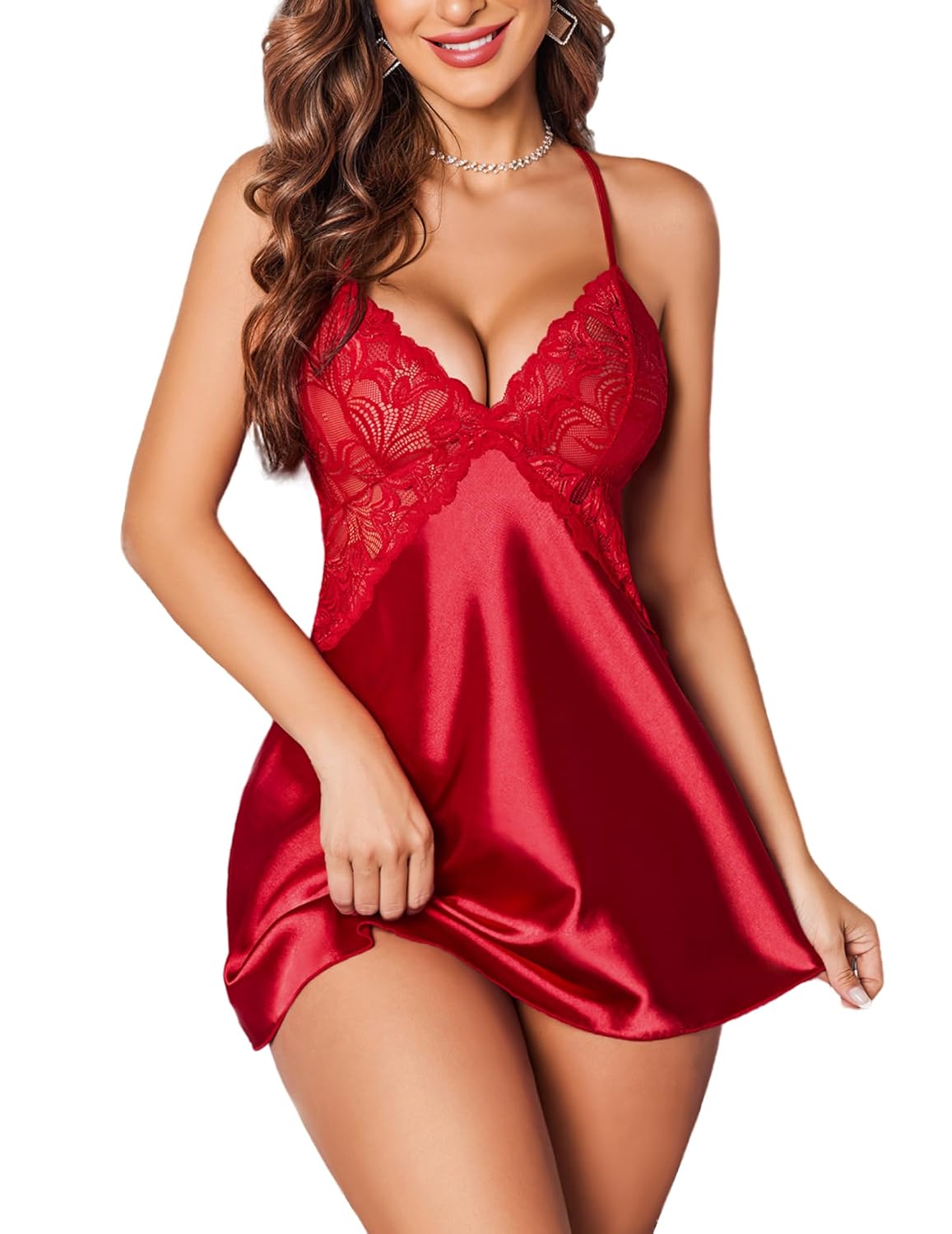
Layering is where the bralette really comes into its own, and it is the reason it survived beyond its trend years. A lace bralette peeking out from under an open blazer, or a simple triangle style under a low-backed top, reads as an intentional styling choice rather than an undergarment. It turns what used to be a "visible bra" problem into a feature — the kind of detail that makes an outfit look considered without trying. No other bra category offers that so easily.
Materials That Matter
Materials matter more in a bralette than in a structured bra, because the fabric is doing all the work. Look for a blend with real stretch and recovery — elastane that snaps back rather than sagging out by the afternoon — and cotton or modal against the skin for breathability. A cheap bralette feels soft for the first hour and baggy by the third; a good one holds its shape the way a proper bra does, just without the hardware. That recovery, more than the lace or the color, is what separates the pieces you love from the ones that end up in the back of the drawer.
Know when a bralette is not the answer, too. For high-impact activity, formal tailoring that needs a crisp line, or a dress cut to sit a very specific way, a structured bra is still the right call. The bralette is not a replacement for every situation — it is a better answer for the majority of everyday ones. Use it where it shines, and it stops being a compromise and becomes simply the sensible default.