The Quiet Power of a Well-Chosen Bra
Nobody warns you that a bra can change the entire shape of your day. Not just your silhouette — your posture, your patience, the way you hold your shoulders in a meeting. A bra that digs in turns you into someone who is quietly counting down the minutes until you can take it off. A bra that actually fits makes you forget you are wearing anything at all. That difference, spread across eight or ten hours, is not a small thing. It is the difference between finishing the day with energy and finishing it with a headache you cannot quite place.
Most of us were never taught how to buy a bra. We learned by trial, error, and a fitting-room mirror we would rather not remember. We inherited a size from a department-store salesperson in our teens and kept buying it out of loyalty, as if that number were a permanent part of our identity. It is not. Bodies shift. Weight moves around. Hormones, pregnancy, a year of different workouts, a new medication — all of it quietly rearranges the landscape under your clothes, and the size that worked at nineteen is probably not the size that works now.
Start With a Real Fit
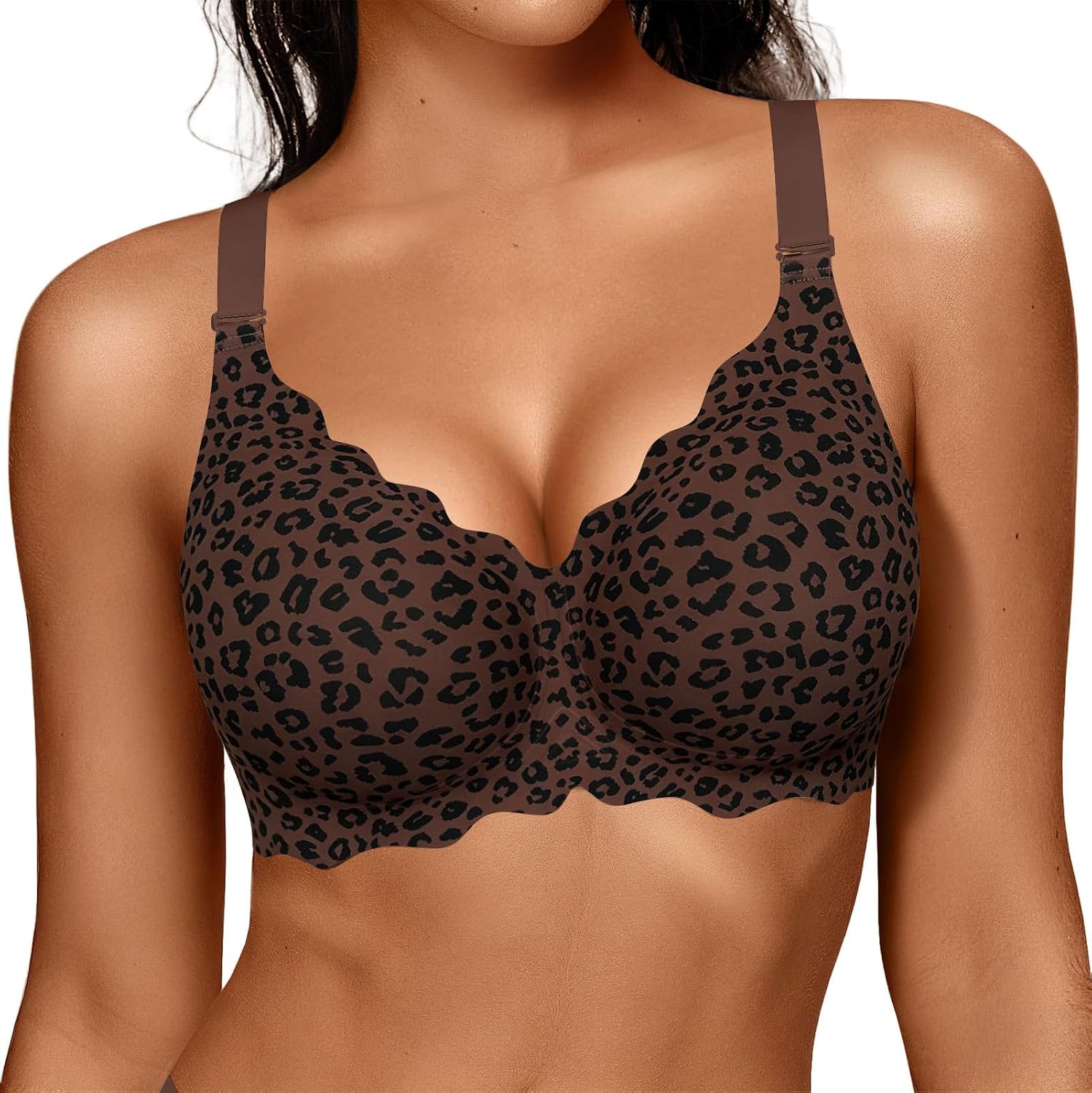
Here is the part that most buying guides skip: the problem is rarely the bra. It is the mismatch. A brilliant bra in the wrong size is just an expensive source of discomfort. So before you do anything else, re-measure, and be honest about it. The band should sit level around your ribcage and stay put when you lift your arms overhead. If it rides up in the back, the band is too big, and the band — not the straps — is where a bra is supposed to carry its weight. The gore, that little strip of fabric between the cups, should lie flat against your sternum. If it floats an inch off your chest, the cup is too small or the band is too loose, and no amount of strap-tightening will fix it.
Then there is the question of style, which most people treat as a fashion decision when it is really a geometry decision. Your breast shape has a lot to say about what works. Full-on-top shapes need different support than full-on-bottom shapes. Wide-set chests need a different center than close-set ones. A moulded t-shirt bra will never fit a projected shape the way a seamed cup will, no matter how many times you buy it in different sizes. Understanding your own shape is not vanity; it is the single fastest way to stop wasting money.
Build a Small Rotation
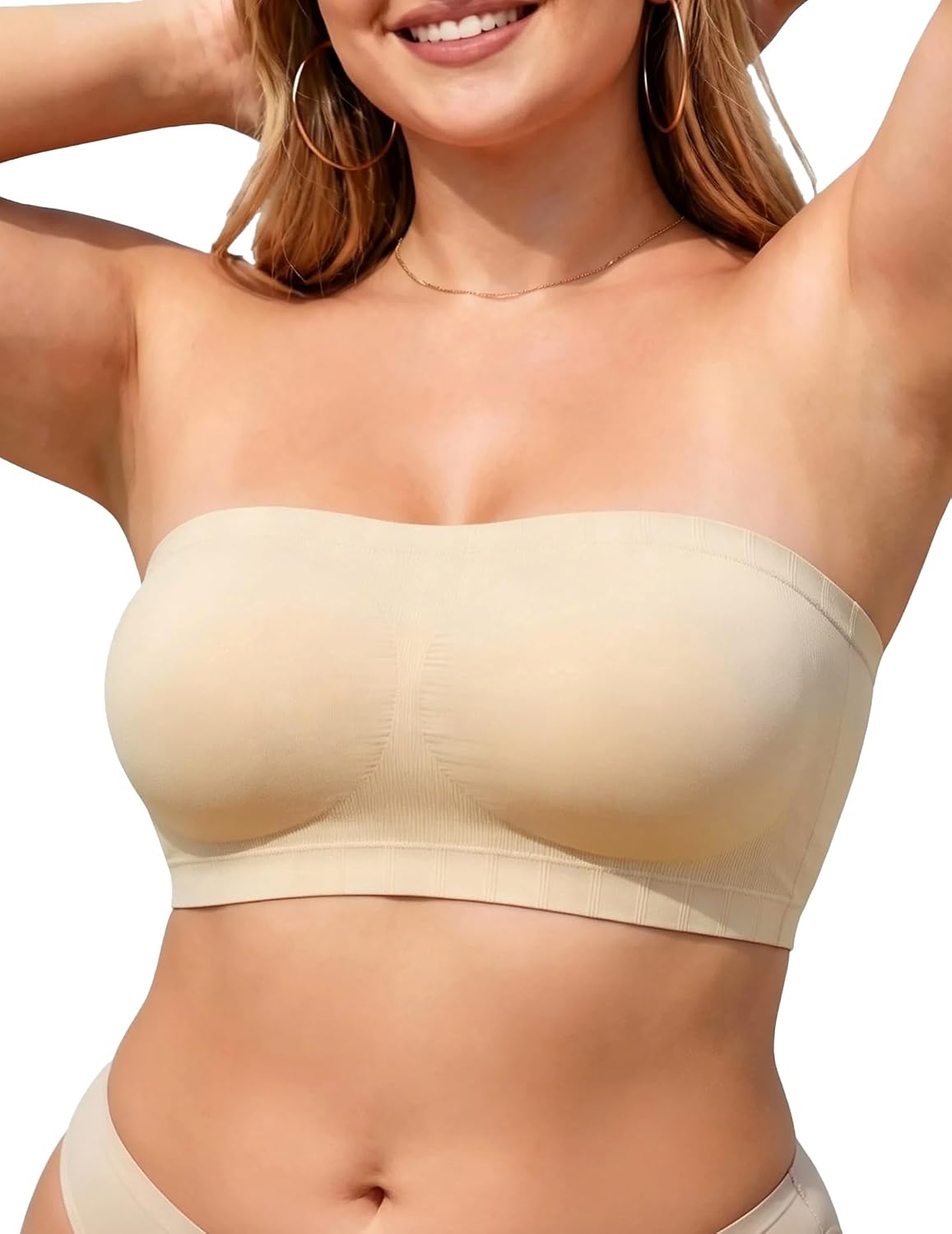
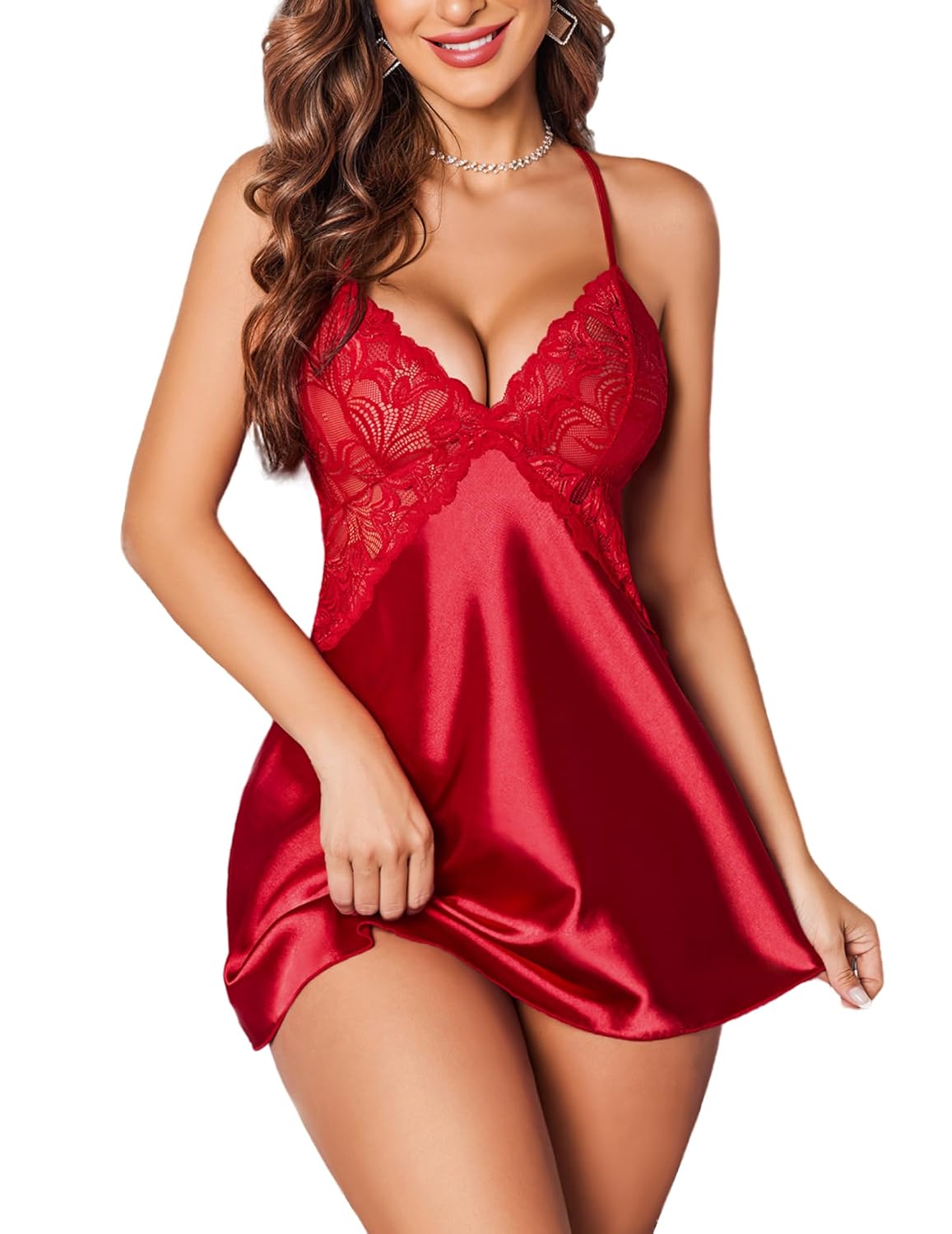
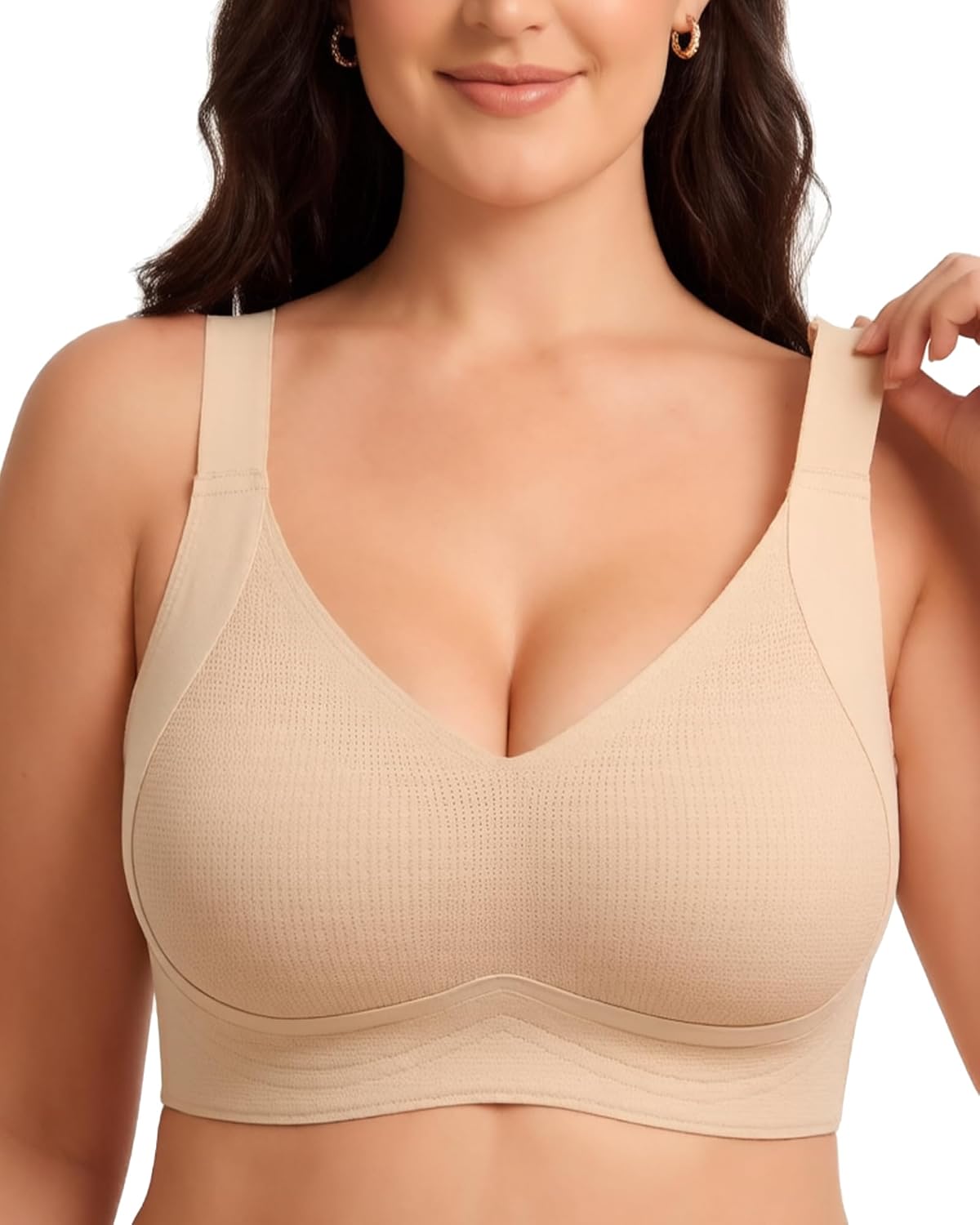
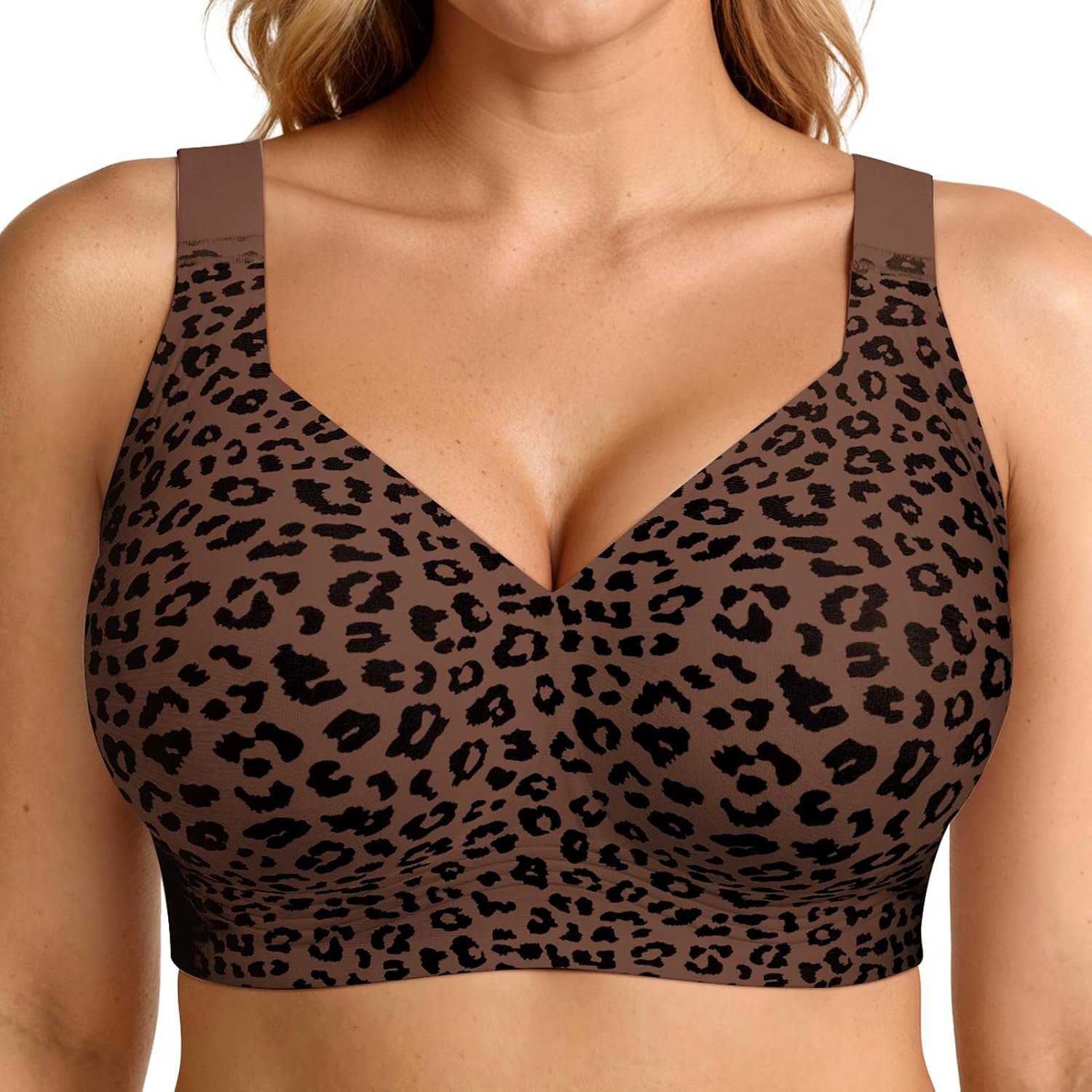
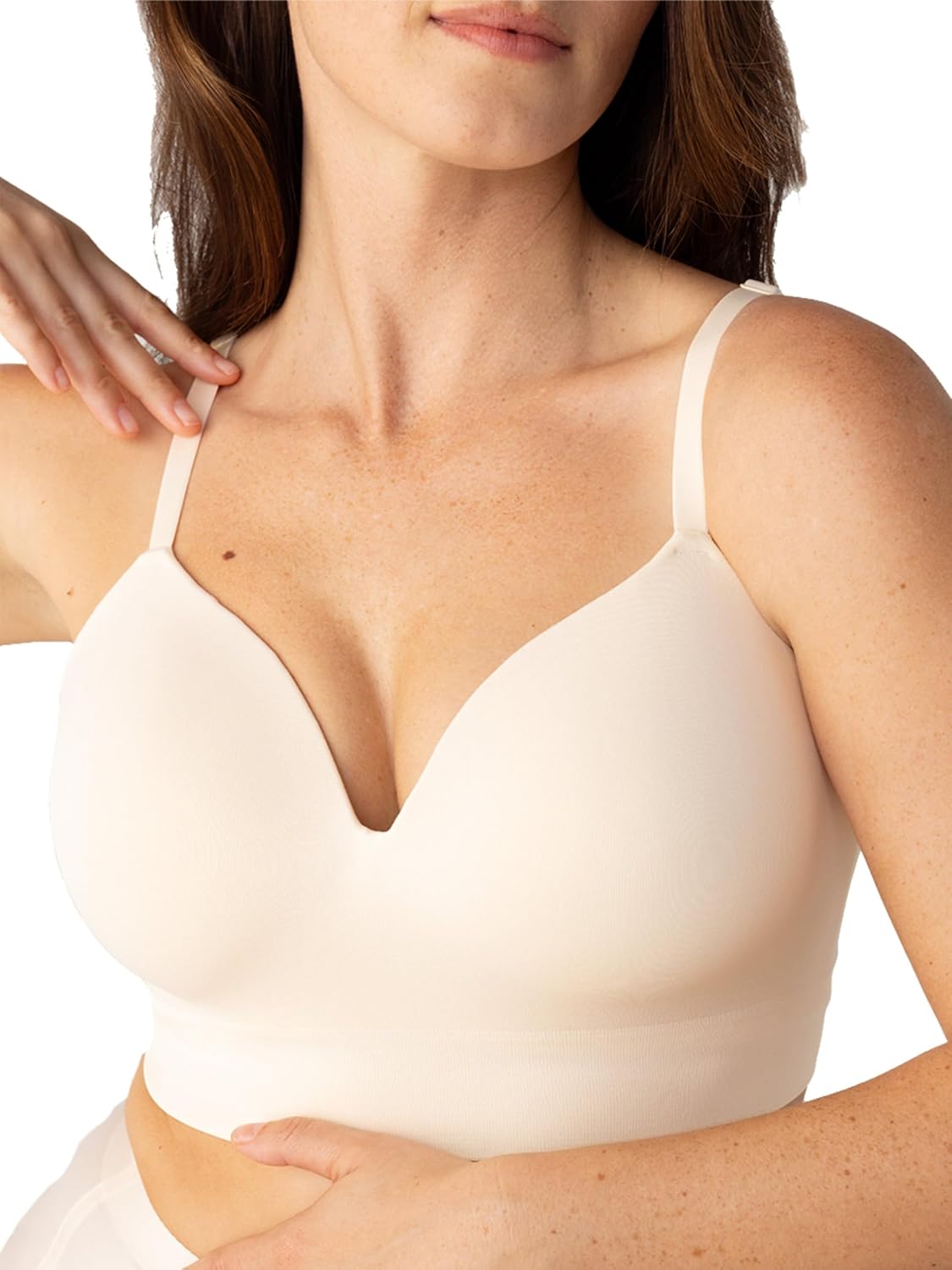
Once you know your size and your shape, build a small rotation instead of a drawer of duplicates. A seamless gel bra does one job — disappearing under thin tops and travelling well — while a structured lace number does another. A wireless style is for long days and honest comfort; an underwire is for lift and a defined line. Own a few of each, in neutrals first, then one or two in colors you actually love. The goal is not a closet full of identical beige cups. It is a small collection where every piece earns its keep.
There is also the matter of maintenance, which nobody enjoys but which doubles the life of everything. Fasten the hooks before washing. Use a mesh bag. Cold water, gentle cycle, and never, ever the dryer — heat is what kills the elastic that does all the real work. Hang them by the center gore, not the straps, so the cups keep their shape. A bra treated well lasts years; a bra thrown in a hot dryer gives up in months.
Myths That Cost Money
A well-chosen bra is quiet. It does not announce itself. It just quietly makes whatever you put over it look better, and whatever you do in it feel easier. It lets you sit through a long meeting without readjusting, walk through a crowded room without thinking about your straps, and end the day not relieved to take it off, but barely noticing it at all. That is the whole trick, and it is worth the effort to find it. The drawer will still have favorites and failures, but the ratio shifts, and so does the morning.
There are a few fit myths that refuse to die, and they are worth naming, because they cost real money. The first is that a new bra should be snug on the loosest hooks, so you can tighten it as the band stretches. That one is actually true — start on the loosest hooks and work inward over the life of the bra. The second myth is that the straps should do the lifting. They should not; they are there for a light assist, and if you are cranking them to get lift, the band is too loose and the bra is doing its job wrong. The third, and most persistent, is that cup size is fixed. It is not. A 34C and a 32D hold roughly the same volume in the cup, a fact that saves the day for anyone who has ever been told they are "between sizes."
Then there is the money question, which no guide wants to admit matters. A good bra is an investment, but an expensive one is not automatically a good one. The sweet spot is usually the middle — well-constructed, honestly priced pieces from brands that specialize in fit rather than marketing. Buy fewer, buy better, and replace them before they fail. A bra that has visibly lost its shape or whose band you have ratcheted to the tightest hooks has done its time. Let it go gracefully.
Above all, treat the whole exercise as an ongoing conversation with your own body rather than a one-time fix. Re-measure every six months or so, or whenever your weight, your routine, or your hormones change noticeably. The bra that fits you perfectly this year may not next year, and that is not a failure. It is just bodies being bodies, and the quiet power of a well-chosen bra is that you keep checking in — and keep finding the version that fits the you of right now.