How to Wear a Waist Cincher: Hours, Hooks, and When Latex Wins
A waist cincher is the only garment we sell with a clock attached. Hooks, latex, steel bones — all of them are rated in hours, not outfits. Wear it like a bra and it will teach you why the clock exists.
The waist trainer and cincher roundup ranks what is worth buying. This is the owner's manual: how long, how tight, and which material is honest about what it does.
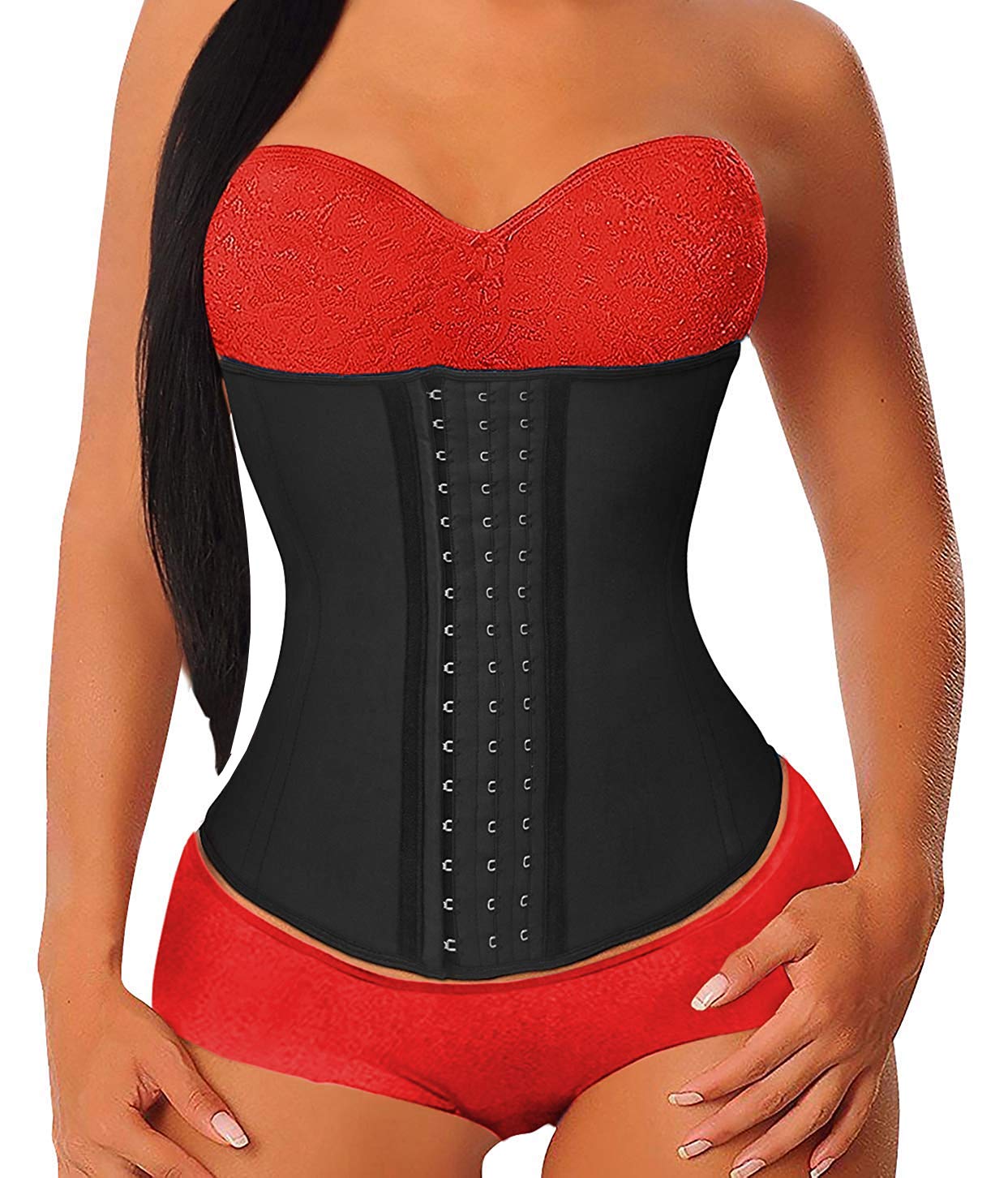
Three columns of hooks are a sizing plan, not a challenge. Start on the loosest.
Hours, not days
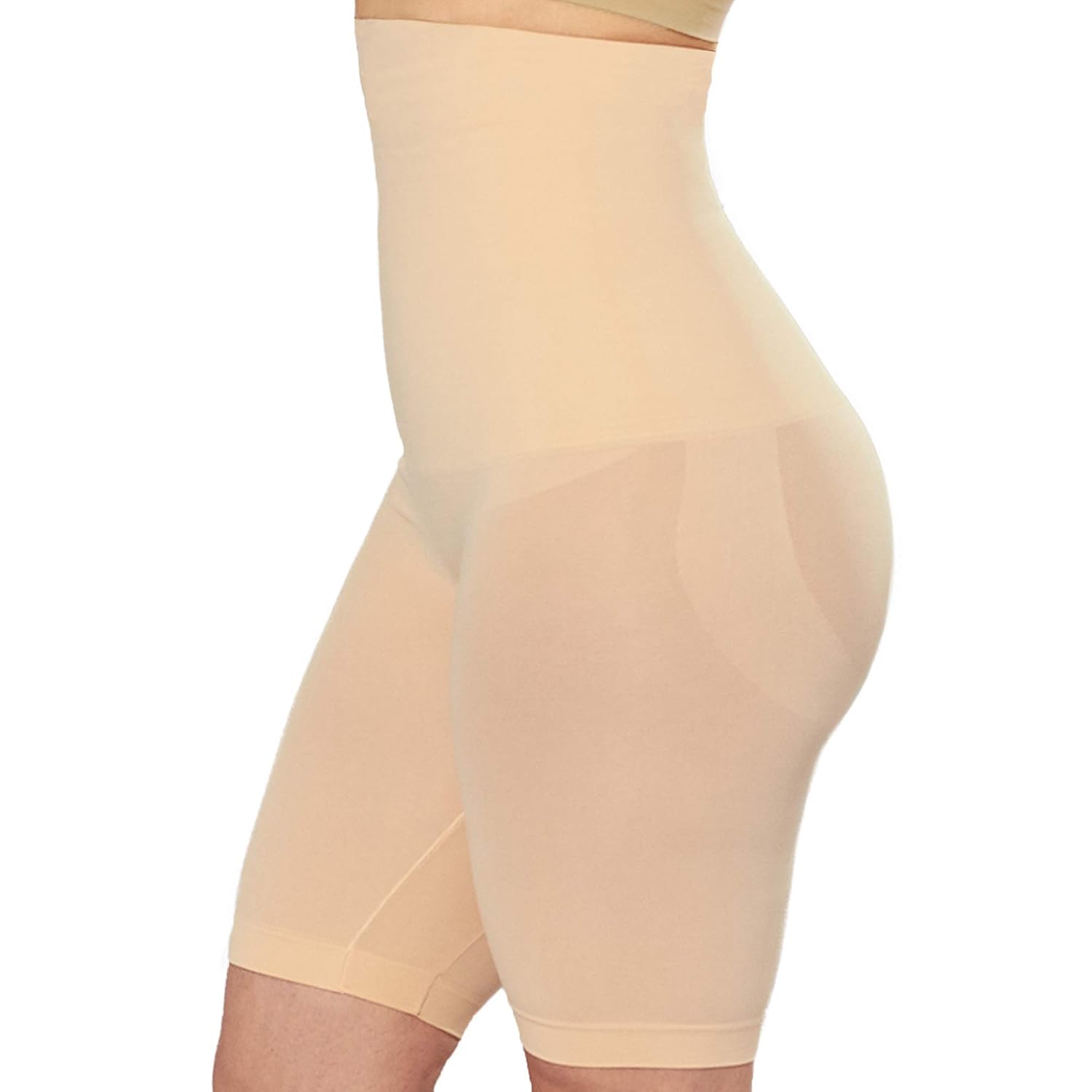
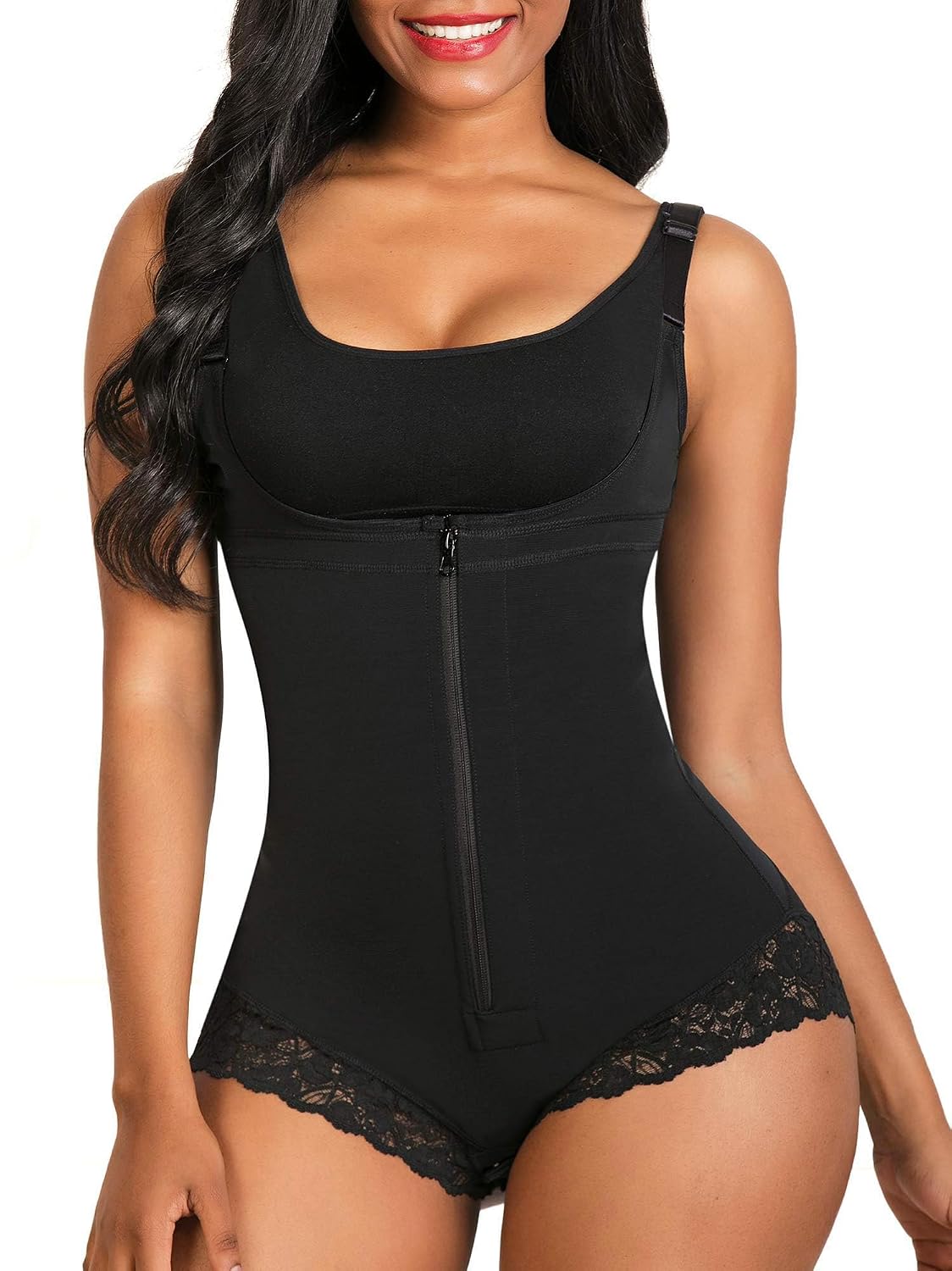
Two to four hours is a cincher's honest workday: an event, a dinner, a shift where you mostly stand. Sitting all day in a cinched waist is how the boning learns to bend where you bend — permanently. Postpartum binders are the exception because they are not cinchers: the Gepoetry recovery band is compression for healing, worn as directed, not for silhouette.
Latex vs belt vs bone
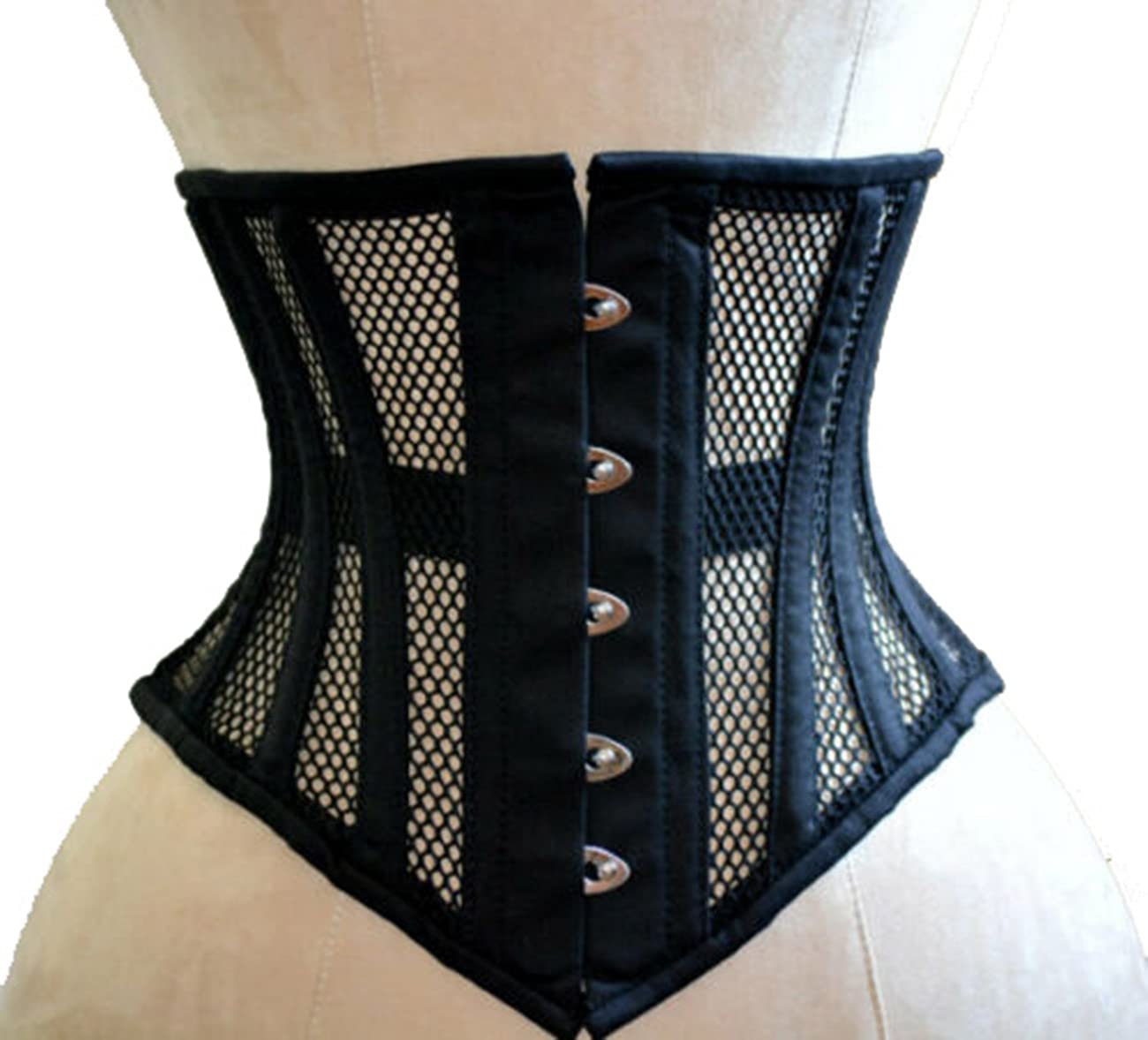
Latex cinchers (the Colombian school — Ann Chery is the named one) compress evenly and heat you up; that is the whole mechanism. Neoprene belts are gym accessories — sweat, not shape. Steel-boned underbusts shape without heat but demand accurate sizing. The latex sister review covers what sweat-wicking actually means in practice.
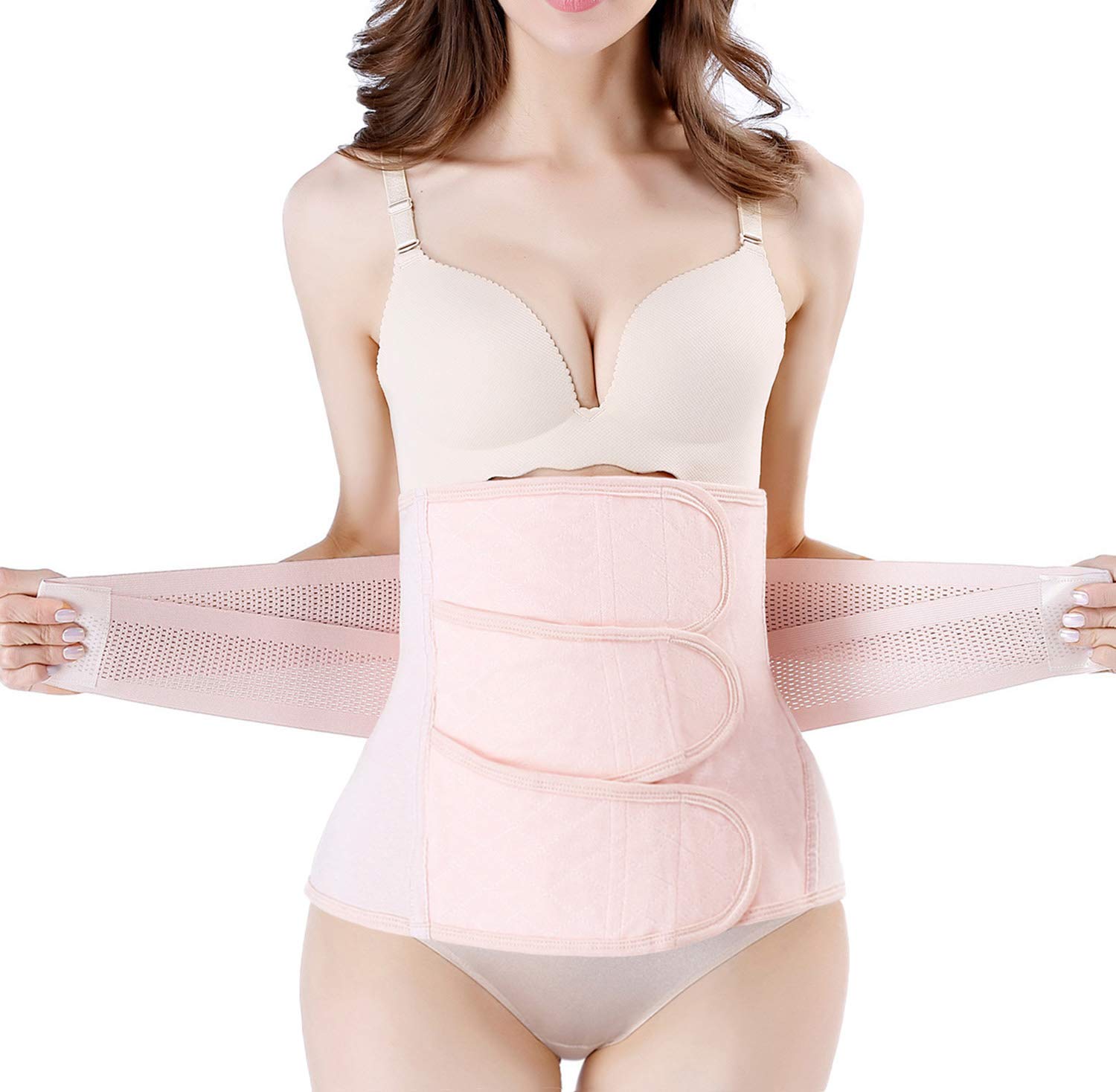
A recovery band is a medical-adjacent tool. Different job, different clock, no silhouette promises.
The tightness test
Fasten it on the loosest column. You should be able to slide two fingers under the band at the rib, take a full breath, and sit down without the top edge diving into the bust. Fail any of the three and you sized for the mirror, not the evening. Measure first — the size guide is two minutes — then shop the cincher aisle.
And the rule with no exceptions: never sleep in hooks. The waist cincher glossary entry has the short version.