How to Wash and Store Bras So They Last Longer
Elastic, hooks and moulded cups do the structural work in a bra. Heat, friction and detergent residue damage them long before the fabric looks worn. Care is therefore not just about keeping lingerie pretty; it is about keeping the band supportive and the cups shaped as designed.
The safest wash routine
Fasten the hooks before washing, place the bra in a mesh bag and use cold water with a gentle detergent. A hand wash is ideal for lace, adhesive accessories and delicate trims. Skip bleach and fabric softener: both can affect fibres and elastic. If you machine wash, choose the gentlest cycle and do not overload the drum.
Drying is where most damage happens
Never put bras in a hot dryer. Press out water with a towel, reshape the cups and lay the piece flat or hang it from the centre gore. Hanging by the straps stretches the straps; folding a moulded cup inside out creates permanent creases. Let everything dry completely before putting it away.
Storage and retirement
Store bras with cups nested only when the cups are soft; moulded cups should sit open and uncrushed. Keep lace away from rough zips and wash adhesive pieces according to their instructions. Retire a bra when the band has lost recovery, the wire is exposed or the cups no longer sit smoothly. A well-cared-for rotation is cheaper and more comfortable than repeatedly replacing one overworked favourite.
Related Gloria picks
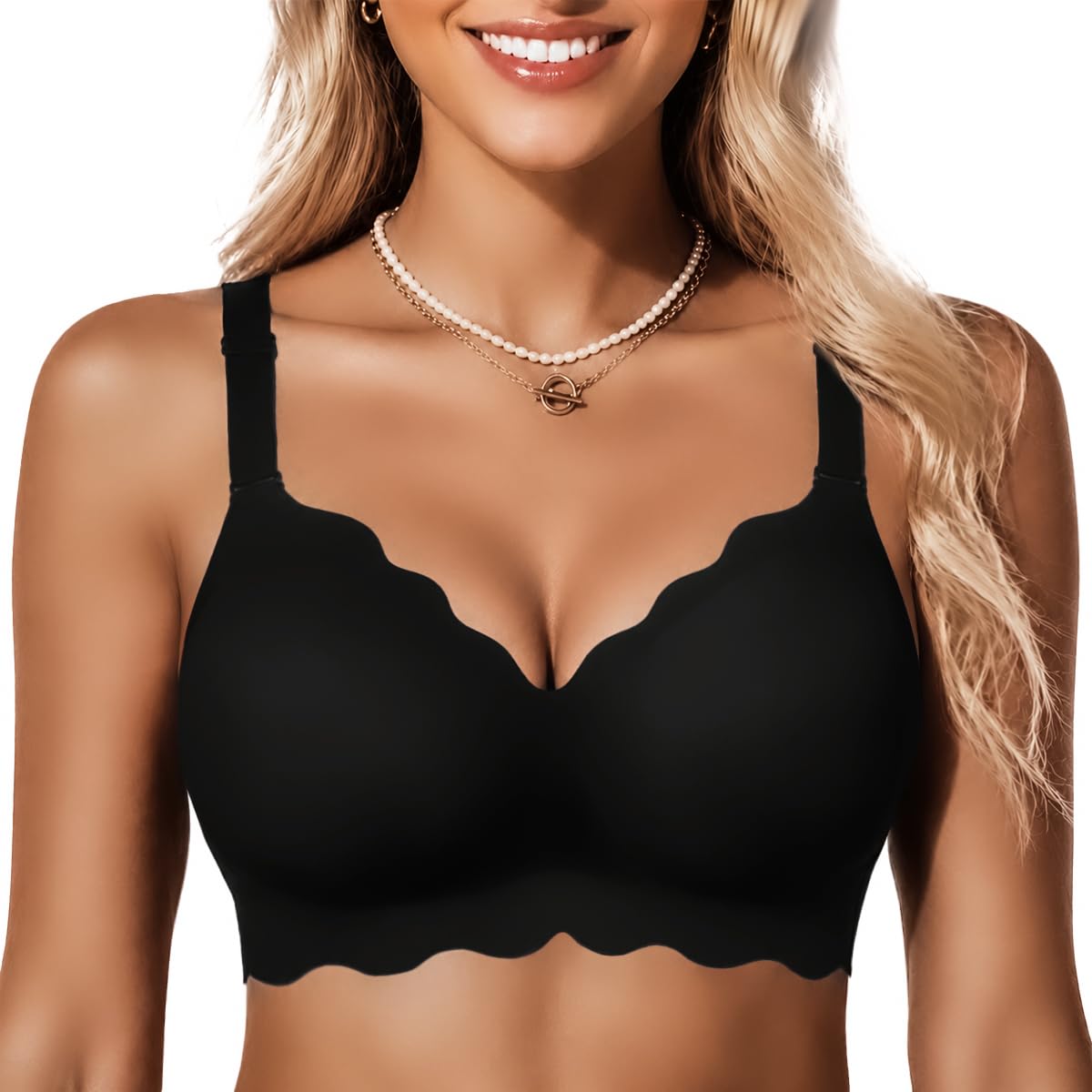
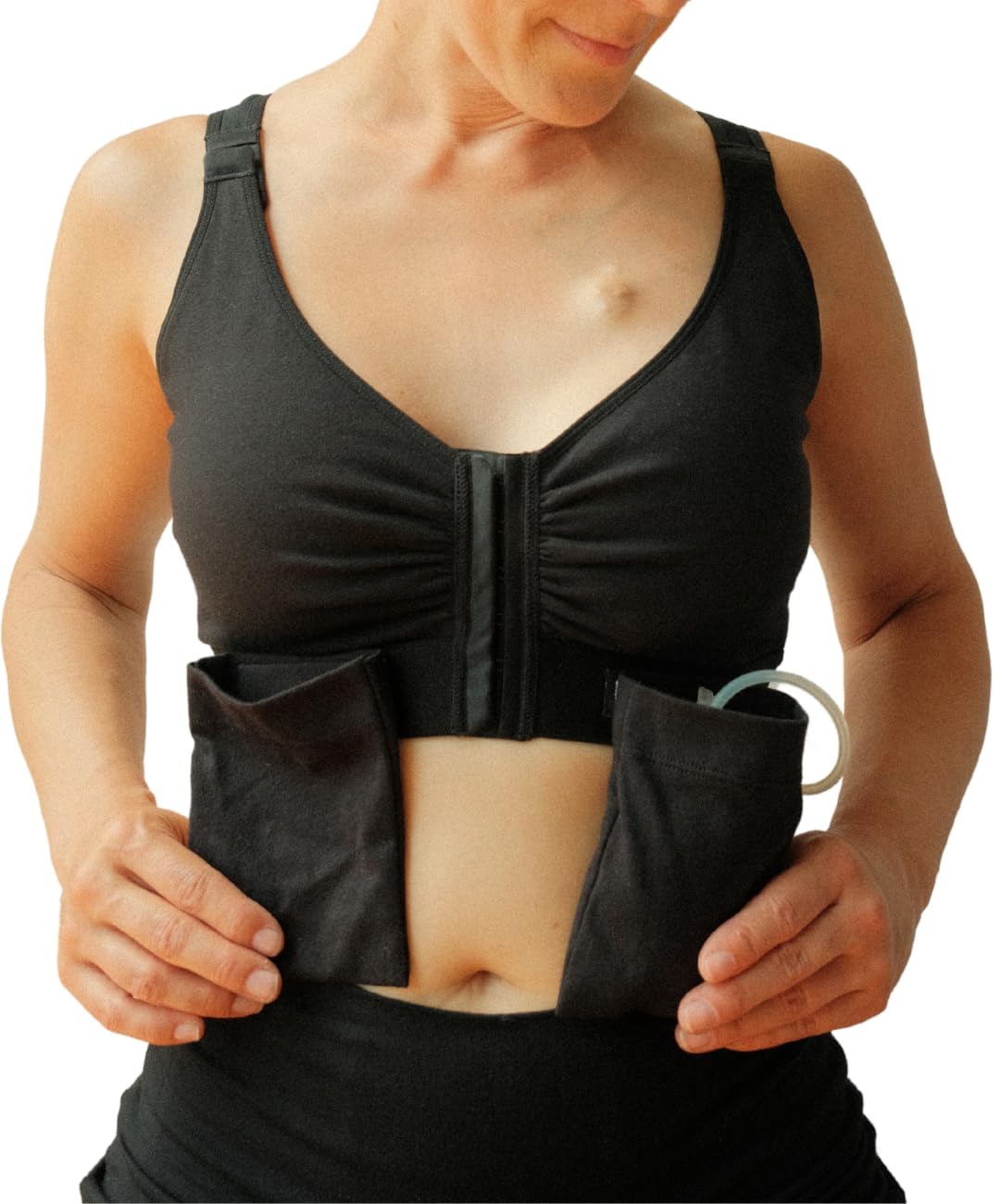
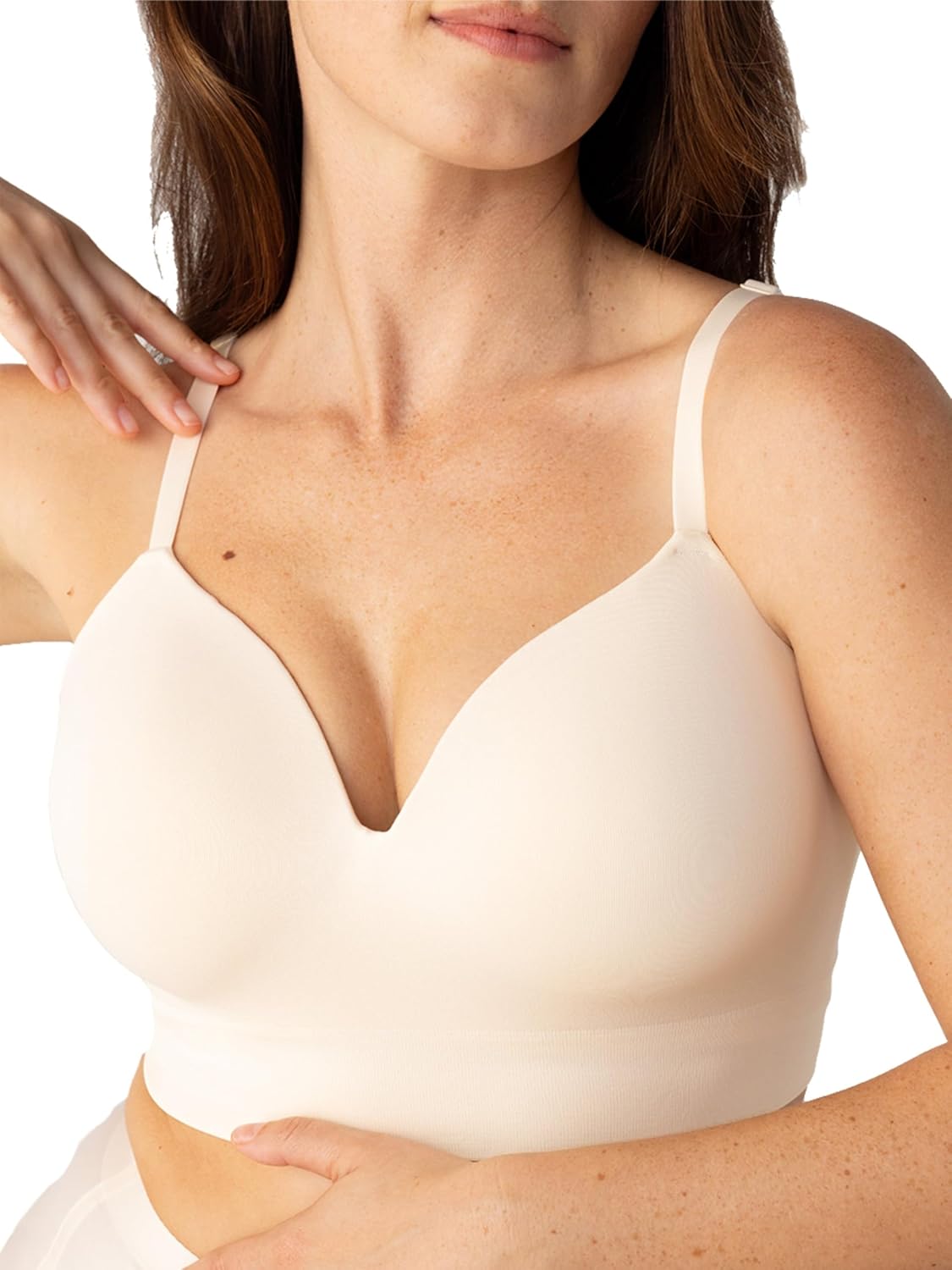
SHAPERMINT Women's Wireless Comfort Support Bra · COCOMARTS Lace Push-Up Lingerie Set
Common mistakes to stop making
Do not leave bras soaking for hours, scrub lace with a brush or twist cups to remove water. Do not use the dryer just because the bra feels sturdy: heat damages elastic invisibly first, so the piece can look fine while losing its support. Do not store a moulded cup folded inside itself, because repeated creasing changes the shape.
Rotate at least three everyday bras when possible. Letting one piece rest between wears allows moisture to evaporate and elastic to recover. Wash after heavy sweat or product buildup, but avoid washing by habit when a short airing is enough. Clean care is gentle care, not maximum agitation.
Bottom line
Cold water, mild detergent, low friction, no dryer and sensible storage will preserve fit longer than any “miracle” laundry product. When the bra stops doing its job, replace it rather than tightening every strap and hook to compensate.
A better way to make the final choice
Before adding a piece to your basket, write down the outfit, activity and fit problem it is meant to solve. Then check the product details for the band construction, cup coverage, strap adjustment, fabric composition and care instructions. Those details tell you more than a broad label such as “supportive” or “comfortable.” If the listing does not explain a feature that matters to you, treat that as a reason to ask before buying rather than guessing.
When the item arrives, check it on clean, dry skin and under the clothing you bought it for. The band should remain level while you move, the cups should contain without cutting in, and the straps should add adjustment rather than carry the entire garment. Keep the tags on until you have completed that test. A few calm minutes at home are more useful than judging a fit in a changing room under poor lighting.