CUPSHE V-Neck Tummy-Control Swimsuit Review: Attractive Shape, Check the Coverage
The short verdict: the CUPSHE V-Neck Tummy-Control Swimsuit is worth considering when your actual need is a one-piece that combines a V-neck with light shaping. It is the wrong purchase when you really need maximum bust security, easy bathroom access or a guaranteed fit without measuring. The listing shows a 4.4-star average from more than 32,758 reviews: meaningful evidence of a common use case, but not a guarantee that every size and body will fit alike.
This is a careful editorial review based on the named product's construction, public listing information and review patterns. We do not turn marketing language into a promise or pretend a product page is a hands-on laboratory test. The goal is to tell you what the product is for, what it cannot do and what to check before keeping it.
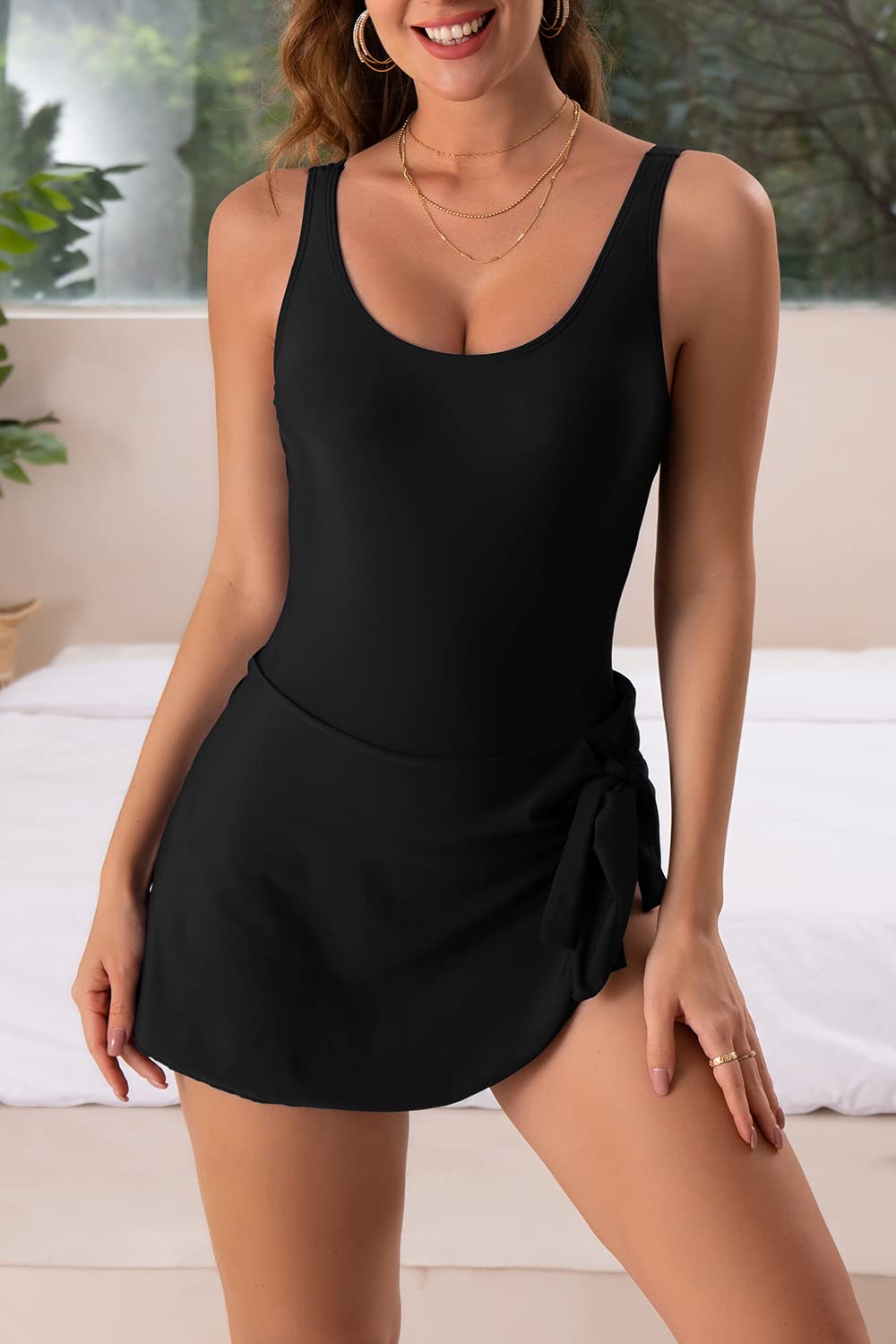
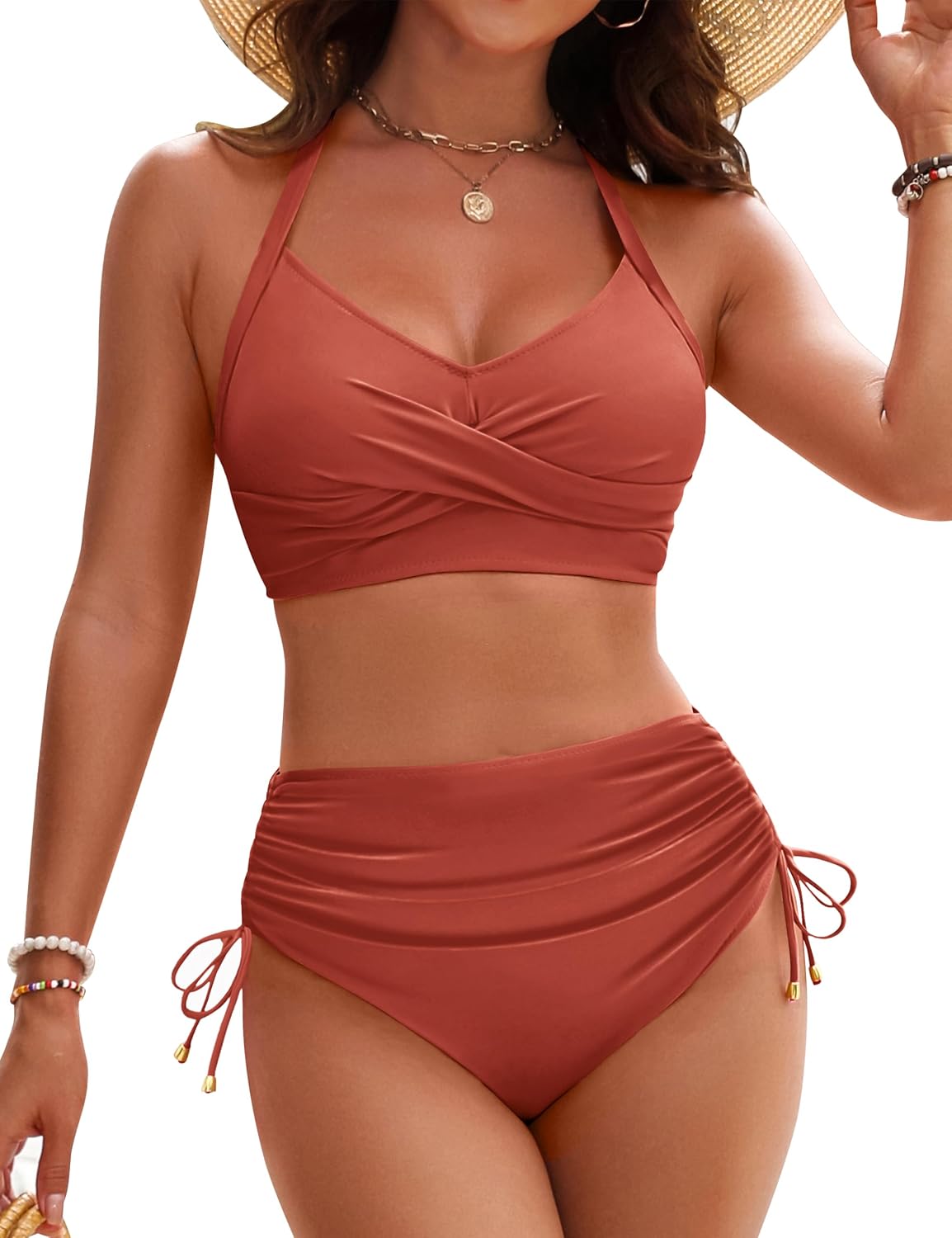
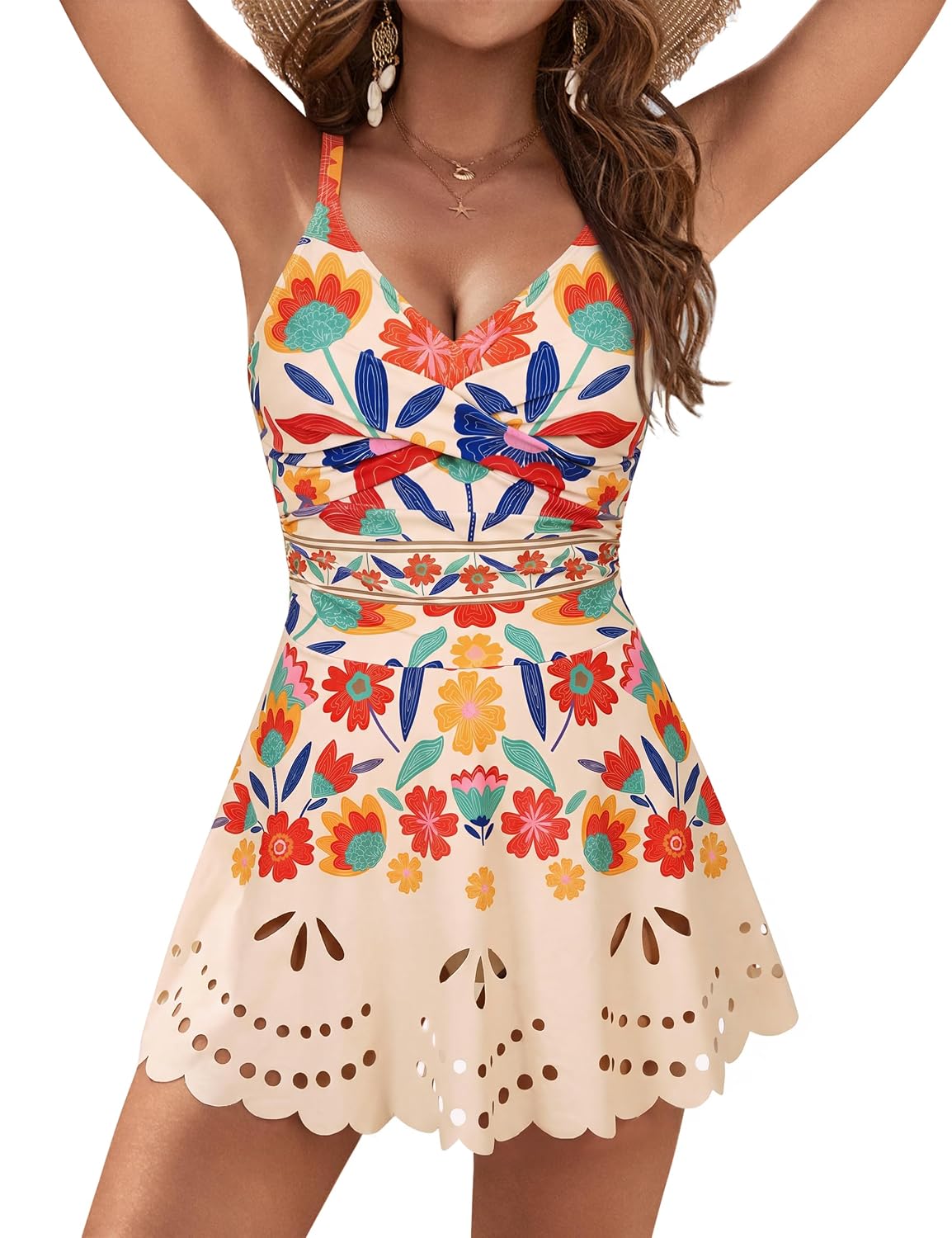
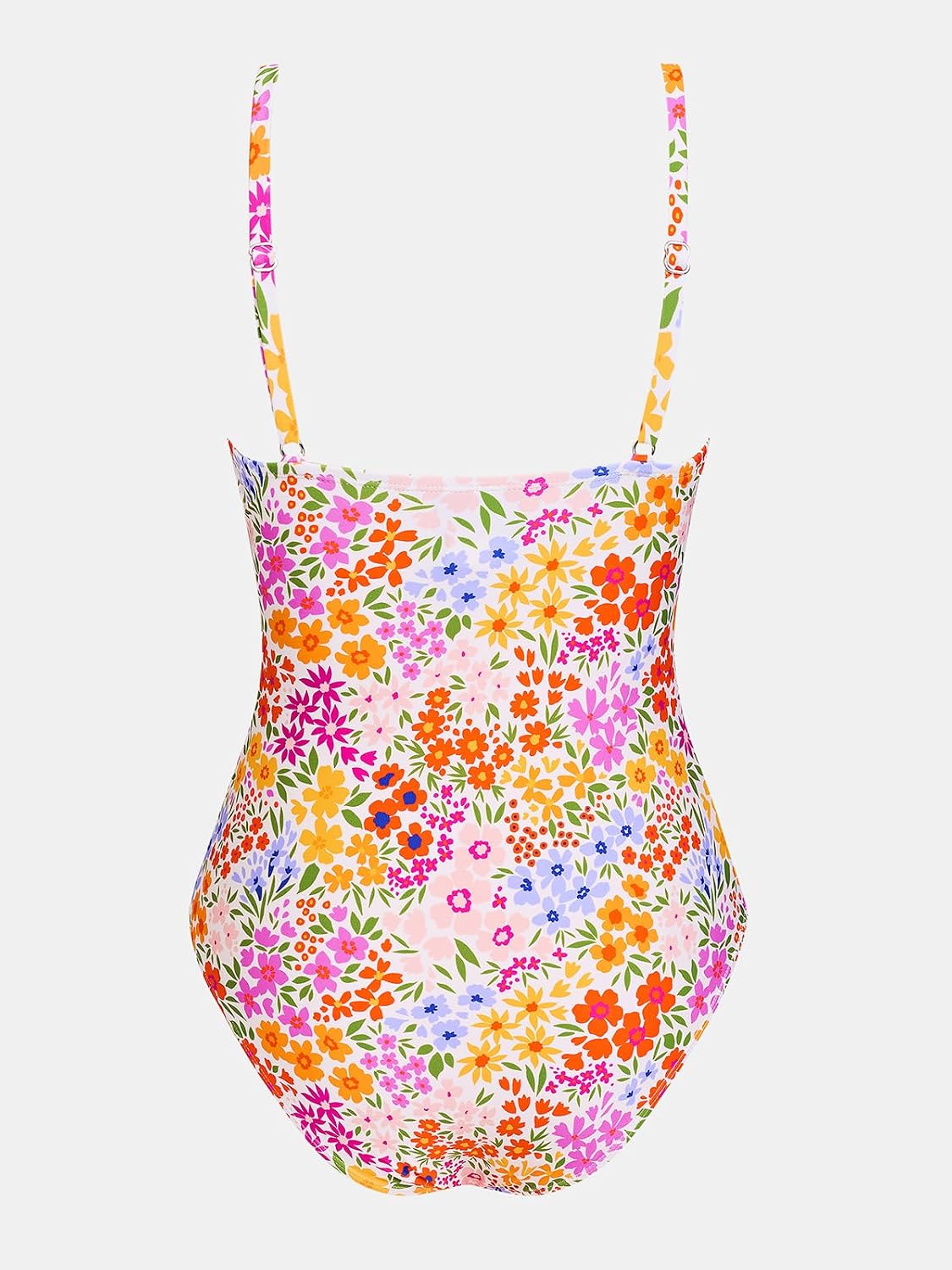
A product image shows the construction; it cannot replace checking the size chart and return terms.
The reason to consider it
The V-neck is the feature to test, not just admire in a product photograph. A flattering neckline can become a distraction if it shifts when you swim, sit or bend.
The clearest positive is that the item has a defined job. It may be a good buy when that job appears repeatedly in your wardrobe or routine. A high review count makes the common experience easier to investigate, but it should not erase the complaints that matter to your own body.
- one-piece coverage with a more styled neckline
- tummy-control lining can smooth without separate shapewear
- strong rating and large review sample
The trade-offs the listing cannot hide
Words such as “supportive,” “smooth,” “comfortable” and “flattering” are conditional. Support changes with movement and size. Smooth fabric can still show at an edge. Comfort changes with heat, pressure and wear time. The honest decision is not whether the product is perfect; it is whether its main compromise is acceptable to you.
- V-neck coverage varies with bust and movement
- swimsuit sizing is less forgiving than lingerie sizing
- lining and shaping may feel warm when wet
Who should buy it
Buy it only if your main requirement is a one-piece that combines a V-neck with light shaping. Follow the product's measurement chart and keep tags or hygiene packaging intact until you test it with the clothes, movement and length of wear you actually expect. A good rating is a starting point, not a substitute for that check.
Who should skip it
Skip it if you need maximum bust security, easy bathroom access or a guaranteed fit without measuring. Do not size down aggressively, tighten straps until they dig, or tolerate pain to force a promised silhouette. For compression, activewear and adhesive products, stop if breathing, circulation, skin or movement is affected.
Our practical fit checklist
- Measure against the product-specific chart, not only a familiar label.
- Test sitting, bending, reaching and walking in the intended outfit.
- Check edges, straps, closures and pressure after realistic wear time.
- Read the return and care instructions before removing tags.
Pros
- one-piece coverage with a more styled neckline
- tummy-control lining can smooth without separate shapewear
- strong rating and large review sample
Cons
- V-neck coverage varies with bust and movement
- swimsuit sizing is less forgiving than lingerie sizing
- lining and shaping may feel warm when wet
A useful product for the right job, with clearly stated limits.
Read more in Honest Reviews and compare fit with our wireless vs underwire guide.
How to decide if the fit is right
The most useful test is not the first glance in a mirror. Wear the item with the clothing and movement it is supposed to support. Sit down, reach forward, walk for a few minutes and take a full breath. For bras, the band should stay level and the cups should contain without cutting in. For briefs and bodysuits, check whether the leg or thong edge rolls when you bend. For swimwear, test the neckline and straps before entering the water. For shapewear, make sure you can breathe and move normally.
Use the product chart as a measurement tool, not as a promise. Two products with the same nominal size can fit very differently because the fabric, rise, cup shape and stretch are different. If you are between sizes, read the return policy before choosing the smaller one for a more dramatic result. A garment that looks tighter on the first try is not automatically more effective.
Value beyond the sticker price
Price only tells part of the value story. A multi-pack is good value if every piece is comfortable enough to wear and wash; a cheap single item is not a bargain if it stays in the drawer. The same applies to premium construction: it is worth paying more for a feature you use repeatedly, not for a label that does not solve your problem. Consider how often you will wear the item, how difficult it is to clean and whether replacement sizes or colours are easy to find.
Read current availability and price at the product link before buying. Marketplace prices, colours and pack contents change, and an old review should not be treated as a permanent price guarantee. The score is a useful signal about the product history; it is not a substitute for checking the live listing.
Care and longevity
Follow the care label, use mild detergent where appropriate and avoid unnecessary heat. Elastic, adhesive surfaces, delicate mesh and moulded cups all lose performance faster when they are washed roughly or dried hot. Rotate everyday pieces instead of wearing one item until the elastic gives out. Store structured garments without crushing their shape and keep adhesive products clean, dry and protected between uses.
Our final buying rule
Buy this product when its main strength solves a problem you actually have. Do not buy it to become a different product: a wireless bra will not become an underwire, light shapewear will not become a corset, and a seamless thong will not become full-coverage cotton underwear. That distinction is where most disappointing purchases begin. The best review conclusion is sometimes “good product, wrong job”—and that is still a useful recommendation.